The UN Security Council has set a time for the vote today, Friday, at 11 AM EST (1500 GMT) on a Bahrain-sponsored resolution aimed at securing international navigation in the Strait of Hormuz. The draft allows for the use of defensive measures only, not offensive ones, in light of the tense situation in the region following Iran's near-total closure of the strait.
The strait, considered one of the most important maritime passages in the world, sees significant traffic for oil and goods, serving as a vital artery for the global economy. Iran's closure of the strait has raised serious concerns about escalating military tensions in the region, prompting UN Security Council member states to act swiftly to ensure navigation safety.
Details of the Resolution
The final draft to be voted on includes clear provisions regarding the use of defensive measures, reflecting the international community's desire to avoid military escalation. The news agency has obtained the text of the draft, which emphasizes the need to protect international navigation from any threats that may arise from Iran's actions.
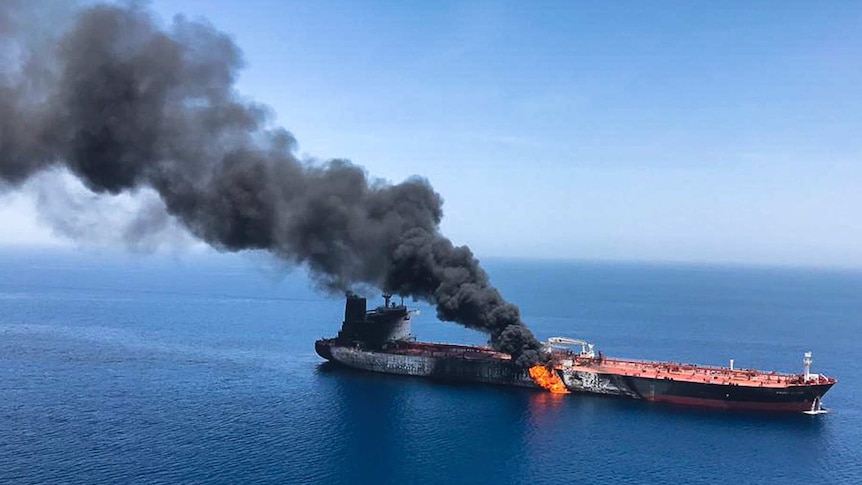
This move comes at a sensitive time, as attacks on commercial vessels in the region have increased, reflecting rising tensions between Iran and Western countries. The resolution also underscores the international community's commitment to maintaining freedom of navigation in international waters, which is crucial for the global economy.
Background & Context
The Strait of Hormuz is a major transit point for approximately 20% of the world's oil, acting as a link between the Arabian Gulf and the rest of the world. Historically, the strait has witnessed numerous tensions, especially during periods of conflict between Iran and Western nations. In recent years, these tensions have notably escalated, leading to international concern over navigation security.
Iran, which controls part of the strait, has taken several steps to bolster its military presence in the region, increasing fears among neighboring countries and major powers. These developments have led to growing calls from the international community for effective measures to ensure navigation safety.
Impact & Consequences
If adopted, the resolution could contribute to easing tensions in the region and enhance the international community's efforts to protect navigation. However, the exclusive use of defensive measures may raise questions about the effectiveness of these actions in the face of potential threats.
The potential implications of this resolution may include strengthening cooperation among UN Security Council member states and forming new alliances to ensure navigation safety. Additionally, this decision could open the door for further discussions on how to address security threats in the region.
Regional Significance
The anticipated resolution could have a significant impact on Arab countries bordering the Gulf, as their economies heavily rely on oil movement through the Strait of Hormuz. Any escalation in tensions could negatively affect oil prices and increase economic pressures on these nations.
Furthermore, stability in navigation in the strait could contribute to enhancing regional cooperation among Arab states, potentially leading to improved economic and political relations in the area. The success of this resolution depends on the commitment of UN Security Council member states to implement its provisions effectively.
The upcoming vote in the Security Council represents an important step towards ensuring navigation safety in the Strait of Hormuz and reflects the international community's commitment to addressing security challenges in the region. Amid rising tensions, there is hope that this resolution will contribute to achieving stability and peace in the area.