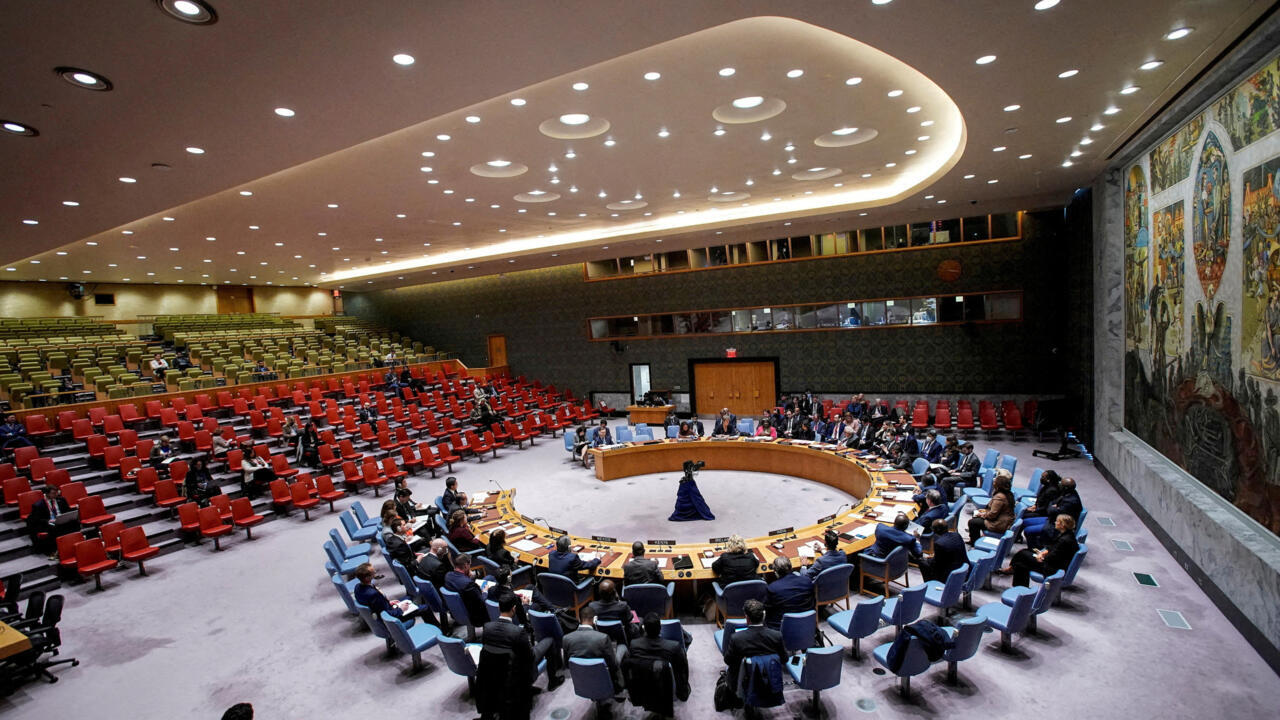
The United Nations has issued a warning about a potential disaster if strikes continue near Israeli and Iranian nuclear sites. This warning comes as global oil prices have fallen following U.S. President Donald Trump's announcement of negotiations with Iran.
This development occurs amid escalating tensions in the region, where significant shifts in international relations are taking place.
Details of the Incident
The UN's warning highlights the dangers posed by military actions near nuclear facilities, emphasizing the risk of catastrophic consequences. The ongoing strikes have raised alarms about safety protocols and the potential for a nuclear incident.
Following President Trump's announcement regarding negotiations with Iran, global oil prices have experienced a decline, indicating volatility in the oil market. This fluctuation is closely tied to geopolitical developments and the uncertainty surrounding U.S.-Iran relations.
Background & Context
These developments are set against the backdrop of increasing tensions between Iran and the United States, which have been marked by a series of confrontations and diplomatic challenges. The region is witnessing significant transformations in international relations, with multiple countries involved in the ongoing conflict.
This situation is part of a broader struggle in the region, where various nations are engaged in complex political dynamics that affect not only local stability but also global security.
Impact & Consequences
The decline in global oil prices following Trump's announcement suggests that the market is reacting to the uncertainties surrounding U.S.-Iran negotiations. This could lead to further fluctuations in oil prices, impacting economies that are heavily reliant on oil exports.
The implications of these developments for the Arab region will be substantial, as many Arab countries depend on oil for their economic stability. Any significant changes in oil prices could lead to economic challenges and affect regional markets.
Regional Significance
The impact of these developments on the Arab region is expected to be significant, given the reliance of many Arab nations on oil for their economies. The potential for price volatility in oil markets could have far-reaching consequences for economic planning and stability.
In conclusion, these developments underscore the importance of the Arab region in international affairs, where several countries are actively involved in the ongoing conflict. The situation remains fluid, and continued monitoring of the geopolitical landscape is essential.