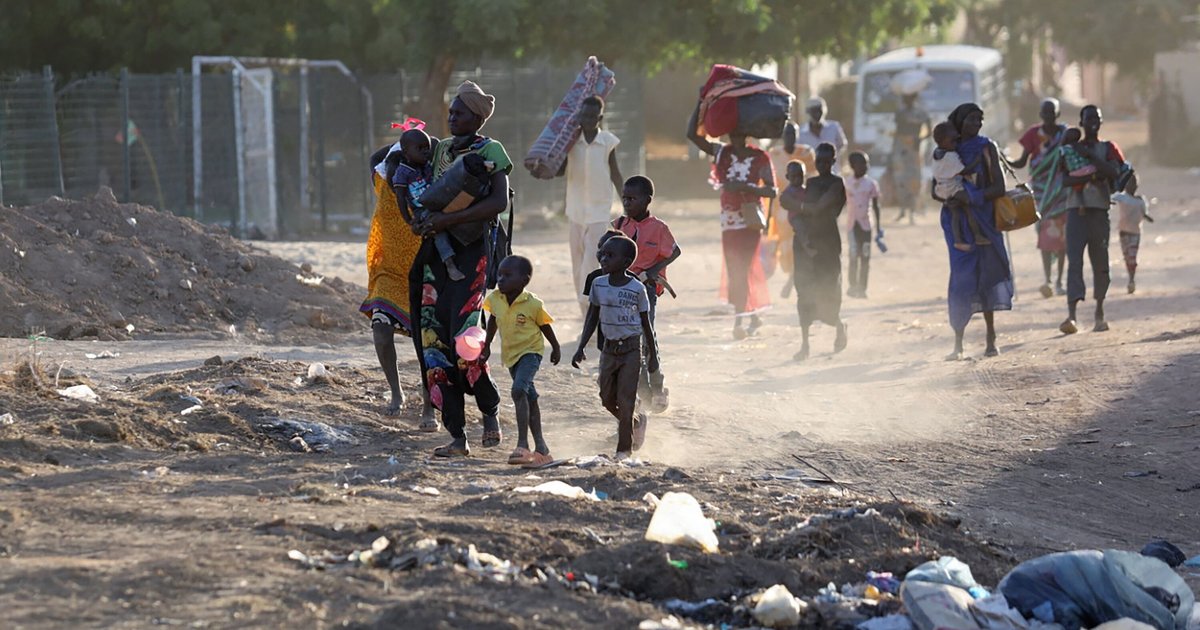
The United Nations reopened its main office in Khartoum on Thursday, after nearly three years of closure due to the ongoing conflict in Sudan. This reopening is part of the resumption of operations of the United Nations Development Programme (UNDP), reflecting a new beginning for cooperation between the Sudanese government and the UN.
The inauguration ceremony was attended by Sudanese Foreign Minister Mohyeldin Salem, along with several UN officials and representatives from the Khartoum state government. The minister confirmed that the reopening of the office reflects the resumption of cooperation between the Sudanese government and the UN, considering it a positive indicator of the restoration of international partnership and support for efforts to stabilize the country.
Event Details
In his statement, Mohyeldin Salem noted that this step represents a new beginning for cooperation between Sudan and the UN, emphasizing that such collaboration is essential given the current circumstances facing Sudan. Meanwhile, Xiu Haoliang, Deputy Director of the UNDP, affirmed that the return of the UN to Khartoum signifies important support for Sudan during this critical phase.
Xiu explained that the UNDP will focus on humanitarian response and enhancing the capacities of national institutions and local communities, in addition to contributing to recovery and reconstruction efforts. The UN had relocated most of its operations outside Khartoum while maintaining some humanitarian activities through its field offices in other states, amid significant challenges related to access and the deterioration of infrastructure and essential services.
Background & Context
Sudan is experiencing one of the largest humanitarian crises in the region, with ongoing conflicts leading to the displacement of millions both internally and externally. Health and education services have sharply deteriorated, and food insecurity rates have increased. The UN has previously warned of escalating humanitarian needs in Sudan as the conflict approaches its third year.
According to the UN's recently announced humanitarian response plan for Sudan in 2026, approximately 33.7 million people in Sudan are expected to require humanitarian assistance this year, an increase of 3.3 million from the previous year. These figures reflect the deteriorating situation faced by Sudanese citizens amid the ongoing conflict.
Impact & Consequences
The reopening of the UN office in Khartoum is a significant step toward restoring stability in Sudan, as it can contribute to improving the humanitarian situation and providing necessary support to those affected by the conflict. Additionally, this step may encourage increased international cooperation with Sudan, potentially leading to more humanitarian and developmental assistance.
At the same time, this step must be accompanied by genuine efforts from the Sudanese government and the international community to ensure the achievement of peace and stability in the country. Challenges remain, and Sudan requires ongoing support to address the escalating humanitarian crises.
Regional Significance
The repercussions of the Sudanese crisis extend beyond the country's borders, affecting regional stability in the Horn of Africa. The return of the UN to Khartoum may contribute to enhancing security and stability in the region, benefiting neighboring countries that are suffering from the fallout of the conflict.
In conclusion, the opening of the UN office in Khartoum symbolizes hope for the restoration of international cooperation and support for stabilization efforts in Sudan. However, the greatest challenge remains achieving lasting peace and meeting the needs of the Sudanese people amid the difficult conditions they face.