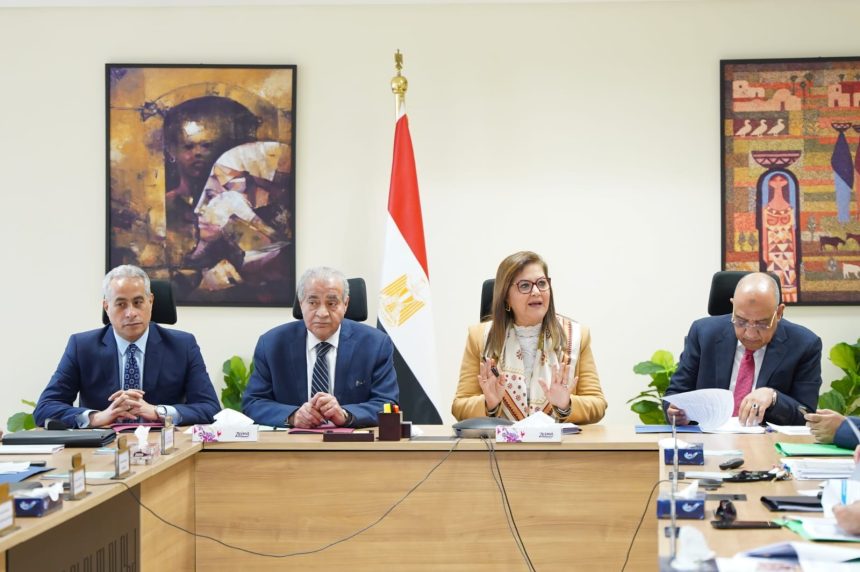
The National Wages Council in Egypt has announced an upcoming meeting to discuss the increase of the minimum wage for private sector employees. This step is part of the government's efforts to improve the living standards of workers, especially in light of the current economic challenges.
The Egyptian government aims to achieve a balance between workers' rights and the needs of employers during this meeting, as the minimum wage is a vital issue that directly affects the lives of millions of citizens.
Details of the Meeting
Representatives from the Ministry of Manpower, as well as representatives from the Egyptian Industries Union and the Labor Union, are expected to participate in the meeting. During the meeting, proposed figures for increasing the minimum wage will be discussed, which has not been updated for a long time.
This meeting comes at a time when the country is witnessing a noticeable rise in prices, increasing pressure on Egyptian families. Many experts have pointed out the necessity to reconsider the minimum wage to reflect current economic changes.
Background & Context
Historically, the minimum wage in Egypt was set in 2014 at 1,200 Egyptian pounds. Despite increases that have been approved in recent years, many private sector workers still suffer from low salaries compared to living costs.
This step is part of the government's strategy to improve the work environment and enhance workers' rights. In recent years, there have been numerous movements by labor unions demanding better wages and working conditions.
Impact & Consequences
If the increase in the minimum wage is approved, it is expected to have a positive impact on the purchasing power of workers, which may contribute to improving living standards. Additionally, this increase could lead to higher demand for goods and services, thereby boosting economic activity.
However, small and medium-sized enterprises may face challenges in bearing the financial burdens resulting from wage increases, which could affect their ability to hire and grow. Therefore, it will be important to find a balance between workers' rights and market needs.
Regional Significance
The issue of minimum wage is a common concern in many Arab countries, where several nations face similar economic challenges. Egypt's experience in this context could serve as a model for other countries seeking to improve working conditions.
While Arab countries strive to enhance workers' rights, economic challenges may hinder these efforts. Thus, ongoing dialogue between the government, the private sector, and labor unions will be essential to achieve the desired goals.
In conclusion, the upcoming meeting of the National Wages Council represents an important step towards improving working conditions in the private sector. Approving an increase in the minimum wage could help improve the lives of millions of Egyptians, but it requires a delicate balance to ensure business sustainability and economic growth.