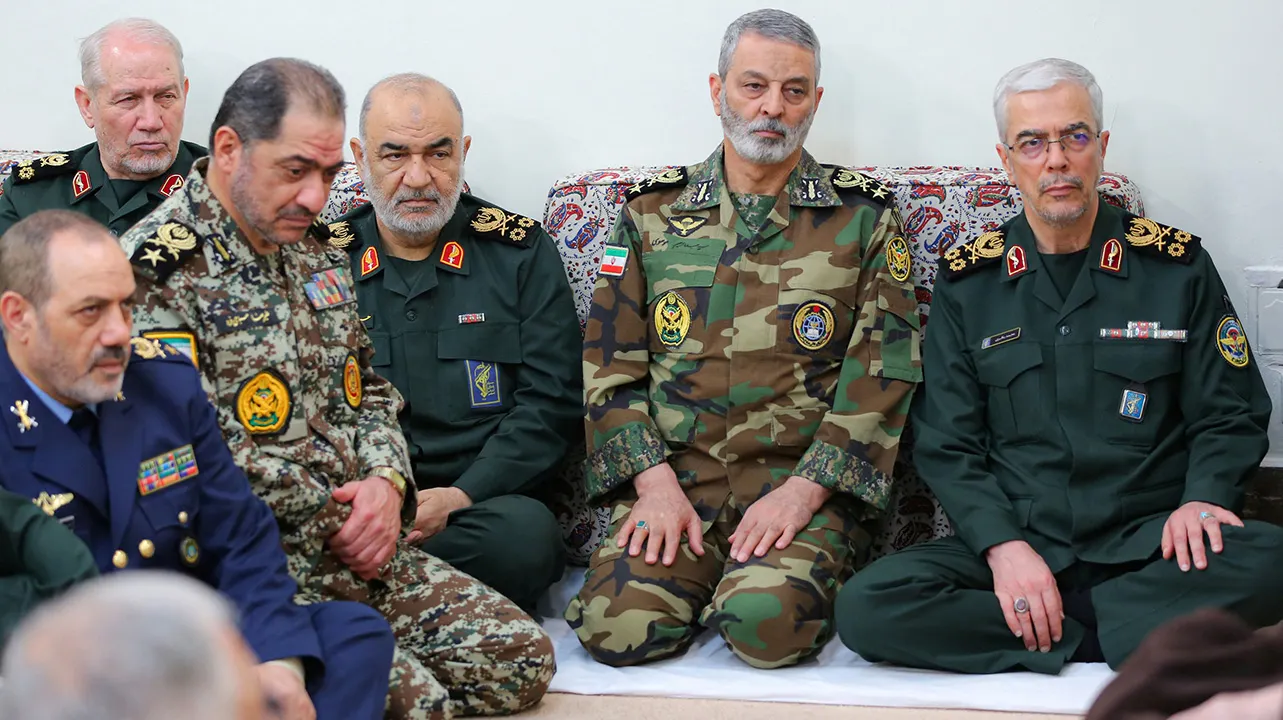
The US Central Command has announced that it no longer detects any naval or air activity from Iran, which is considered a significant development in the context of ongoing tensions in the region. This announcement comes at a time when relations between the United States and Iran are increasingly strained, raising questions about the security and political implications of this step.
The statements from the US Central Command indicate a potential change in Iranian military activities and may also reflect new strategies in dealing with potential threats. While the United States closely monitors Iranian activities, the absence of military activity could suggest changes in Iranian military plans or even potential diplomatic efforts.
Details of the Event
In an official statement, the US Central Command confirmed that it has not observed any naval or aerial movements by Iranian forces, reflecting a state of relative calm in Iranian military activities. This development follows a period of military escalation in the region, where Iran had conducted several naval and aerial maneuvers in recent months, raising concerns among neighboring countries and the United States.
Despite the lack of notable activity, the US Central Command remains on alert, as threats from Iran persist. US officials have indicated that this calm may be temporary and that they will continue to monitor the situation closely.
Background & Context
Historically, relations between Iran and the United States have been tense, especially following the US withdrawal from the Iranian nuclear agreement in 2018. Since then, the United States has imposed strict economic sanctions on Iran, leading to heightened military tensions in the region. In recent years, Iran has bolstered its military capabilities, including the development of its naval fleet and air force.
In this context, the announcement from the US Central Command may signal a change in Iranian strategies or possibly a result of international or internal pressures. Additionally, the absence of military activity may also reflect Iran's desire to avoid escalation under current circumstances.
Impact & Consequences
This development could have multiple implications for the political and security landscape in the region. First, the absence of Iranian military activity may reduce tensions between Iran and neighboring countries, opening the door for new diplomatic opportunities. Second, this situation may affect US strategies in the region, as it may reassess its military presence based on new information.
Furthermore, this development could impact oil markets and the regional economy, as any escalation in Iranian military activities could lead to an increase in oil prices due to fears of disruption in shipments.
Regional Significance
For Arab countries, the absence of Iranian military activity may have positive effects, as it could reduce tensions in the Arabian Gulf. However, Arab nations must remain cautious, as any changes in Iranian strategies could lead to sudden escalation in the future.
Ultimately, the situation in the region remains complex and requires careful monitoring. The absence of Iranian military activity may be a sign of de-escalation, but it does not necessarily mean the end of tensions. Arab countries and the United States must remain vigilant to address any future developments.