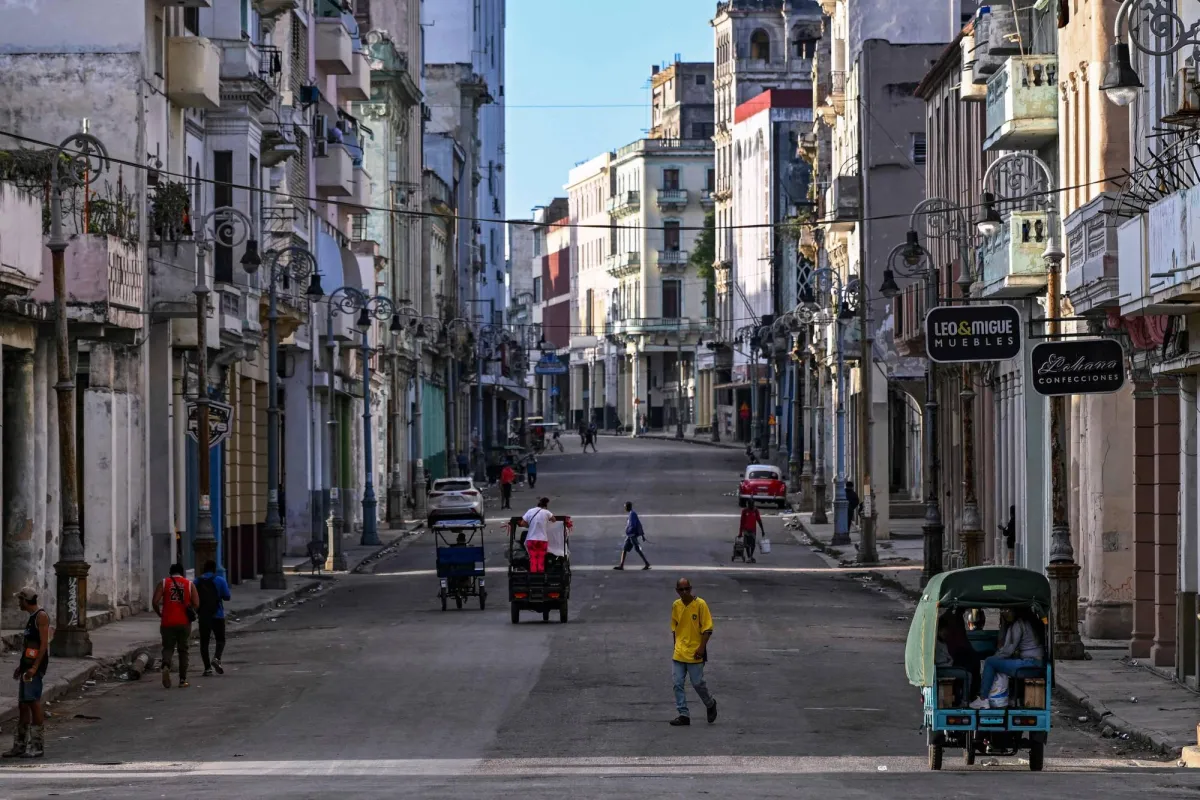
Two members of the U.S. Congress have urged for lasting solutions to the crises facing Cuba after a five-day official visit to the island, during which they observed the effects of the economic blockade imposed on the country.
The Democratic representatives, Pramila Jayapal from Washington and Jonathan Jackson from Illinois, met during their visit with Cuban President Miguel Díaz-Canel and Foreign Minister Bruno Rodríguez, along with several members of the Cuban parliament.
Details of the Visit
During this visit, Díaz-Canel expressed his condemnation of the damages caused by the blockade, highlighting the negative consequences of the energy embargo imposed by the current U.S. administration. He also reaffirmed his government's readiness to engage in serious and responsible bilateral dialogue to find solutions to the existing disputes between Cuba and the United States.
This visit comes at a time when relations between the two countries are experiencing a relative improvement, with acknowledgment that talks are ongoing at the highest levels, although specific details about these discussions have not been disclosed.
Background & Context
Historically, Cuba has suffered from an economic blockade that has been in place for decades, significantly impacting its economy and the well-being of its citizens. The blockade, which began in the early 1960s, aims to pressure the Cuban government but has instead exacerbated the economic and social crises in the country.
In recent years, Cuba has attempted to improve its relations with the United States, especially during the administration of Barack Obama, which saw some easing of restrictions. However, the situation changed with the arrival of the Donald Trump administration, which reinstated many sanctions.
Impact & Consequences
The visit by Jayapal and Jackson may open the door for further dialogue between Cuba and the United States and could lead to changes in U.S. policy towards Cuba. This visit also reflects the interest of some members of Congress in addressing humanitarian and economic issues in Cuba.
If discussions continue, Cuba may witness an improvement in its economic situation, potentially enhancing the lives of Cuban citizens who are suffering from the effects of the blockade.
Regional Significance
Cuba serves as a model for countries facing blockades and sanctions, making it particularly significant in the context of international relations. Arab countries facing similar challenges may benefit from Cuba's experience in confronting external pressures.
In conclusion, relations between Cuba and the United States remain tense, but official visits like this may contribute to opening new channels for dialogue and understanding.