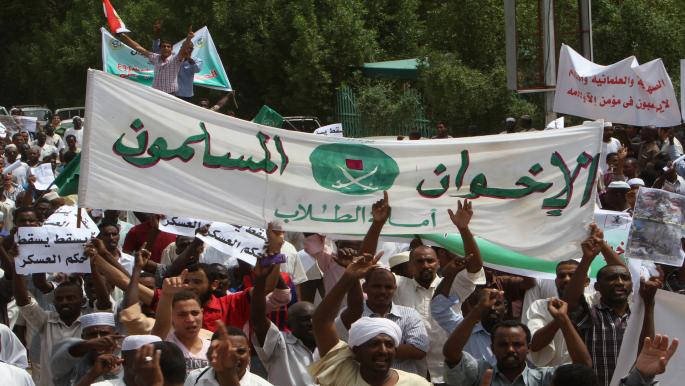
The United States of America has announced the designation of the Muslim Brotherhood in Sudan as a terrorist organization, a decision that raises numerous questions about its impact on the security and political situation in the country. This classification, which comes at a time when armed conflict between various factions is escalating, may not contribute to ending the war but could instead exacerbate internal conflicts.
The Muslim Brotherhood in Sudan, which has a long history of political and social activism, seeks to maintain its presence in the political landscape despite increasing pressures. The group's connections to external circles, including support from certain countries, reflect its desire to remain an influential force in the country.
Details of the Designation
The decision to classify the Muslim Brotherhood in Sudan as a terrorist organization is part of American efforts to combat terrorism and promote stability in the region. This designation allows the United States to take legal action against individuals and entities associated with the group, which may affect its funding sources and activities. However, this decision may provoke violent reactions from the group and its followers, complicating the security situation in the country.
Reports suggest that the Muslim Brotherhood in Sudan may seek to strengthen its alliances with other factions, potentially leading to an escalation of armed conflict. At the same time, the group may attempt to exploit this designation as a means to attract support from its traditional allies, complicating peace efforts in the country.
Background & Context
The Muslim Brotherhood in Sudan was founded in the 1930s and has gone through many phases of rise and fall. After the ousting of President Omar al-Bashir in 2019, the group attempted to reorganize and regain its influence. As conflicts between various factions escalate, the group has become part of Sudan's complex political landscape.
Historically, the Muslim Brotherhood in Sudan has been closely linked to countries such as Turkey and Qatar, which has bolstered its political position. However, its designation as a terrorist organization may negatively impact these relationships, making it difficult for the group to secure external support.
Impact & Consequences
The classification of the Muslim Brotherhood as a terrorist organization could have serious repercussions for the situation in Sudan. This decision is expected to intensify conflicts among various factions, as the group may seek to strengthen its alliances with other forces to counter pressures. Additionally, this designation may contribute to worsening humanitarian crises in the country, with civilians potentially facing increased violence and displacement.
Furthermore, this decision may affect Sudan's international relations, as some countries may avoid engaging with the current Sudanese government due to the implications of this designation. The economic situation may also suffer, as foreign investments could decline due to concerns about security conditions.
Regional Significance
The classification of the Muslim Brotherhood in Sudan as a terrorist organization is a step that could impact the situation in the Arab region as a whole. This move may raise concerns among other Islamic groups in neighboring countries, potentially leading to heightened tensions in other areas. Additionally, this designation may reflect new trends in American policy towards Islamic movements in the region.
Ultimately, the question remains about how this classification will affect the future of Sudan. Will the group succeed in remaining an influential political force, or will pressures lead to its disintegration?