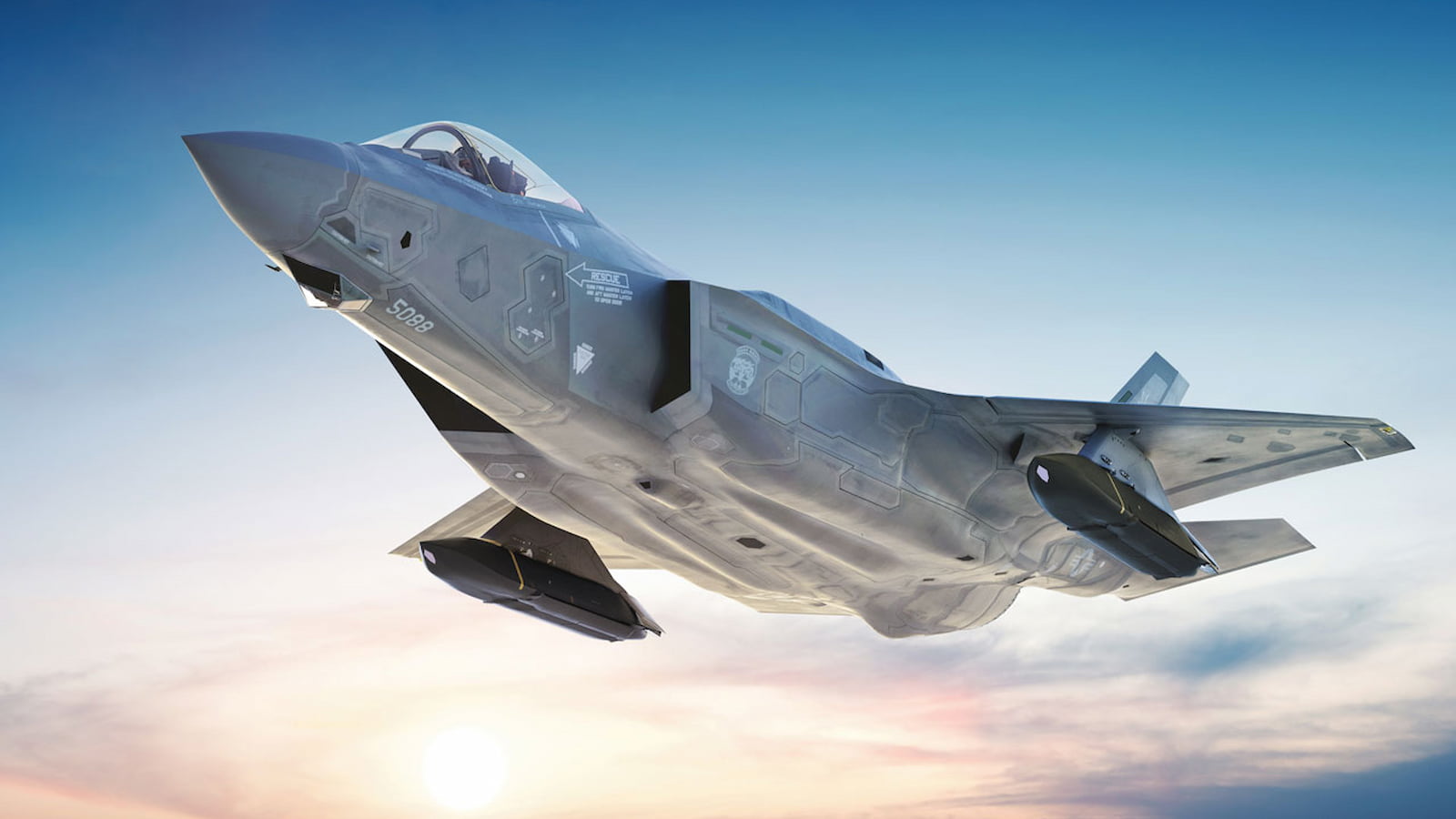
The United States of America has announced its intention to purchase 85 F-35 fighter jets, a move aimed at bolstering its air power and increasing its defensive capabilities. This decision comes at a time when international tensions are escalating, necessitating an enhancement of military capabilities.
The F-35 fighter jets are among the most advanced military aircraft in the world, featuring cutting-edge technologies that enable them to perform a wide range of combat missions. Additionally, these jets possess stealth capabilities, making them difficult to detect by hostile air defense systems.
Details of the Acquisition
Through this purchase, the United States aims to strengthen its air fleet, particularly in light of the increasing security challenges it faces. The delivery of these aircraft is expected to occur in phases, allowing the U.S. Air Force to gradually update its capabilities.
This initiative is part of the broader U.S. National Defense Strategy, which focuses on addressing potential threats from nations such as China and Russia. Furthermore, these fighter jets will enhance military cooperation with U.S. allies, reflecting Washington's commitment to the security of its partners in the region.
Background & Context
Historically, the United States has always been at the forefront of military aircraft development. In recent years, there has been an increase in U.S. military spending as the country seeks to maintain its military superiority in the face of global challenges.
The F-35 jets are part of a collaborative program involving several countries, including Israel and the United Kingdom. These aircraft have demonstrated their effectiveness in various conflicts, making them the preferred choice for many air forces worldwide.
Impact & Consequences
This decision is expected to have a significant impact on the balance of power in the region. The enhancement of U.S. military capabilities may provoke reactions from competing nations, potentially leading to a new arms race in the area.
Moreover, the strengthening of U.S. air power could contribute to increased stability in conflict zones, as these aircraft can serve as a deterrent against any potential threats. However, this may also escalate tensions between the United States and certain countries that view it as a competitor.
Regional Significance
In the Arab context, this move could affect relations between the United States and Arab nations. The increase in U.S. military presence may enhance these countries' ability to confront regional threats, but it could also raise concerns about escalating conflicts.
Arab nations must closely monitor U.S. military developments and work to strengthen their own defensive capabilities to address any challenges that may arise from these changes.
In conclusion, the U.S. decision to purchase 85 F-35 fighter jets reflects its commitment to enhancing its air power amid increasing global challenges. It also underscores the importance of military cooperation with allies in addressing shared threats.