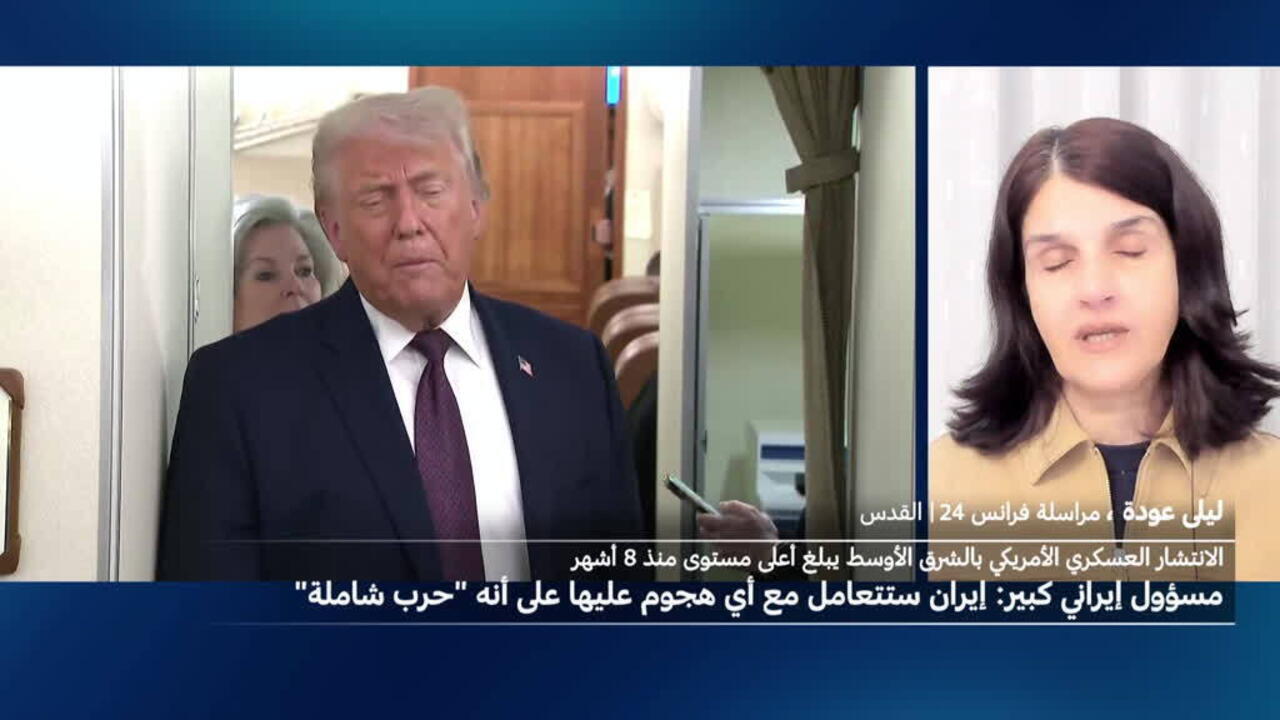
The U.S. Department of Defense (Pentagon) has announced the enhancement of its military presence in the Middle East by deploying additional troops from the 82nd Airborne Division. This announcement comes at a sensitive time as the U.S. President approaches a deadline demanding Iran to resolve the ongoing conflict, thereby escalating tensions in the region.
The deployment of these troops is part of a comprehensive plan aimed at bolstering security and stability in the Middle East, where concerns about rising tensions between the U.S. and Iran are increasing. These forces are expected to join other units already present in the region, reflecting Washington's commitment to protecting its interests and allies under current circumstances.
Details of the Deployment
The United States aims to send a clear message to Tehran through this military deployment, indicating that any escalation in hostile activities will not go unanswered. U.S. officials have noted that this move is in response to potential threats that may arise from Iran, especially given the tense situations in Iraq and Syria.
Despite this military escalation, President Donald Trump has praised the ongoing talks with Iran, raising questions about the contradiction between political statements and military actions. It appears that the U.S. administration is attempting to balance military pressure with diplomacy, reflecting the complexities of American foreign policy towards Iran.
Background & Context
Historically, U.S.-Iranian relations have experienced significant fluctuations, deteriorating markedly since the U.S. withdrawal from the nuclear agreement in 2018. Since then, Washington has imposed strict economic sanctions on Tehran, leading to heightened tensions in the region. In recent years, Iranian military activities in Iraq and Syria have increased, prompting the U.S. to bolster its military presence in the area.
In this context, the 82nd Airborne Division is one of the most prominent U.S. military units, known for its rapid deployment capabilities and crisis intervention. These forces have been deployed in various regions around the world, showcasing the U.S.'s ability to respond swiftly to security challenges.
Impact & Consequences
This American military step represents an escalation in tensions between Washington and Tehran, potentially leading to reciprocal reactions that could intensify the conflict in the region. Additionally, the enhancement of military presence may affect U.S. relations with its allies in the area, as some may feel uneasy about the rising tensions.
Moreover, these developments could impact global markets, particularly oil markets, as any military escalation in the region may lead to increased oil prices due to instability. There are also concerns that these tensions could lead to direct military conflict, adversely affecting the global economy.
Regional Significance
Neighboring Arab countries to Iran are on high alert, as any military escalation could directly impact their security and stability. These developments may also reshape alliances in the region, as some countries seek to strengthen their ties with the United States in the face of Iranian threats.
Ultimately, the most pressing question remains how Iran will respond to these U.S. military maneuvers and whether it will heed American calls to end the conflict. The situation in the Middle East remains complex, and upcoming developments will determine the trajectory of relations among major powers in the region.