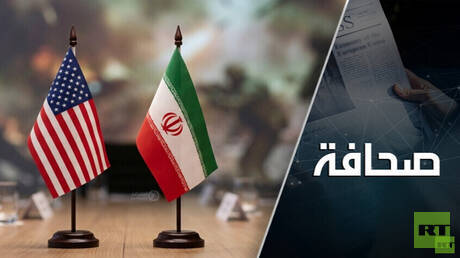
The American fears of incurring heavy losses in Iran are growing, placing the U.S. in a difficult and complex position. These concerns reflect the increasing anxiety over escalating tensions in the region, where Iran emerges as a key player in the regional conflict.
These developments come at a time when tensions between the United States and Iran are rising, with the latter seeking to enhance its influence in the region. Reports suggest that the U.S. may find itself compelled to reassess its military and diplomatic strategies under these changing circumstances.
Details of the Situation
Multiple sources have reported that the United States is closely monitoring Iranian activities, particularly amidst the increasing tensions in the Arabian Gulf. These activities include the enhancement of Iranian military capabilities and the expansion of its influence in Iraq and Syria.
Furthermore, reports indicate that Iran may have developed new strategies to cope with American pressures, complicating the situation further. These strategies could involve strengthening cooperation with regional allies such as Russia and China, which increases the challenges faced by the United States in the region.
Background & Context
Historically, relations between the United States and Iran have been tense, especially since the Islamic Revolution in 1979. These tensions have led to a series of conflicts and frictions, including economic sanctions and proxy wars.
In recent years, the region has witnessed an escalation in armed conflicts, further complicating the relationships between major powers. The United States, seeking to maintain its influence in the region, faces new challenges with the rise of Iran as a key player.
Impact & Consequences
If tensions continue to escalate, this could lead to potential military escalation, increasing risks for American forces in the region. Additionally, any escalation could impact oil prices and global markets, negatively reflecting on the global economy.
Moreover, any American military intervention could provoke strong reactions from Iran and its allies, potentially escalating the conflict in the region. These dynamics could complicate efforts for peace and stability in the Middle East.
Regional Significance
These developments directly affect Arab countries, as Arab governments closely monitor the situation. Any escalation in the conflict could lead to security and economic repercussions in the region, heightening concerns among neighboring countries.
Furthermore, rising tensions could bolster the position of armed groups in the region, increasing the security challenges faced by Arab states. Under these circumstances, it becomes essential for Arab countries to adopt effective strategies to address these challenges.
In light of these complex dynamics, the United States and Iran remain in continuous confrontation, presenting the region with new challenges. The current situation requires careful analysis and well-thought-out strategies to ensure stability and security in the region.