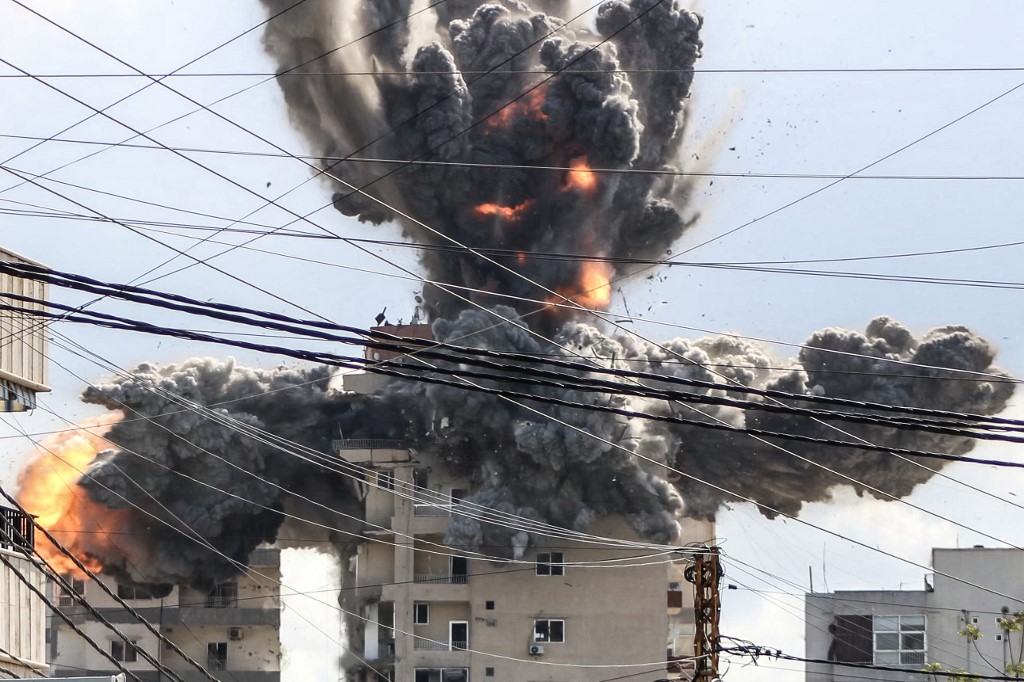
General Dan Cain, Chairman of the U.S. Joint Chiefs of Staff, stated that the current truce between the United States and Iran is merely a "temporary halt," indicating that U.S. forces remain on standby to resume combat operations if needed. These remarks come at a sensitive time, as tensions in the region escalate following a series of U.S. military strikes against Iranian targets.
During a joint press conference with U.S. Secretary of Defense, Pete Hegseth, Cain revealed that the United States has targeted over 13,000 sites in Iran, resulting in the destruction of 80% of Iranian air defense systems and more than 90% of its naval fleet and weapon factories. He affirmed that Iran will require many years to rebuild any major naval combat units.
Details of the Event
These statements come at a time when the world is witnessing increasing tensions between the United States and Iran, as Washington seeks to pressure Tehran to curb its military activities in the region. General Cain clarified that U.S. forces remain in a state of alert, reflecting the United States' commitment to continue confronting Iranian threats.
Cain also noted that U.S. military operations have yielded tangible results, significantly reducing Iranian military capabilities. This statement reflects the U.S. strategy of using military force as a means to pressure Iran.
Background & Context
Historically, U.S.-Iranian relations have been marked by increasing tensions since the Islamic Revolution in 1979. Since then, the United States has imposed economic and military sanctions on Iran, leading to an escalation of conflict between the two countries. In recent years, these tensions have significantly increased, especially following the U.S. withdrawal from the Iranian nuclear deal in 2018.
The current truce is seen as an attempt to ease the conflict, but Cain's remarks suggest that the situation could deteriorate again if a comprehensive agreement is not reached. This reflects the growing mistrust between the two sides and indicates that any agreement may be fragile.
Impact & Consequences
Cain's warnings could lead to heightened tensions in the region, as Iran may feel increasingly cornered, potentially prompting retaliatory actions. On the other hand, these statements may bolster the U.S. position in the region, as it seeks to assert its military strength.
The potential escalation could also affect oil prices and financial markets, as any military escalation in the Gulf region could lead to a spike in oil prices due to supply disruption fears. Additionally, this situation may impact relations between the United States and its allies in the region, who may be concerned about the escalating conflict.
Regional Significance
Arab countries neighboring Iran, such as Iraq and Saudi Arabia, are among the most affected by U.S.-Iranian tensions. Any escalation in the conflict could lead to security and economic repercussions in these countries, which may face increased military and political pressures.
Furthermore, these tensions could impact peace and stability efforts in the region, as Arab nations strive for political and economic stability. Under these circumstances, Arab countries must be cautious in their dealings with the situation and seek to enhance regional cooperation to address shared challenges.