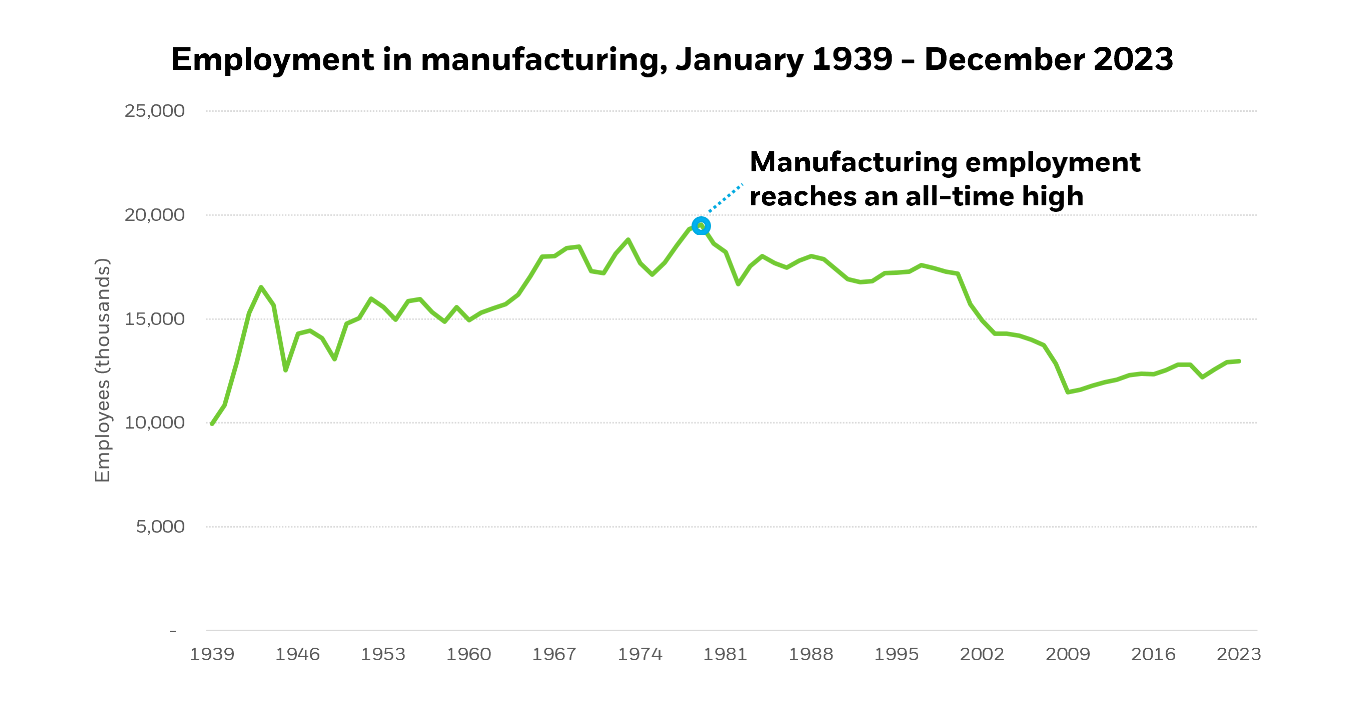
U.S. industrial activity experienced notable expansion in March, reaching its highest level since 2022. This expansion comes in the context of challenging economic conditions, as input costs have continued to rise significantly, reflecting the impact of geopolitical tensions, particularly the ongoing conflict with Iran.
According to reports, this expansion in industrial activity reflects the strength of the U.S. economy and its ability to adapt to current challenges. However, the rising input costs may raise concerns among businesses, as they could affect profit margins and increase inflationary pressures.
Details of the Event
Data showed that industrial activity in the United States has grown significantly, with new orders and production increasing, indicating a strong recovery in this sector. However, rising costs of raw materials and energy may hinder this growth, as manufacturers face increasing challenges in managing expenses.
These developments coincide with escalating tensions in the Middle East, where geopolitical conflicts are affecting global markets. The ongoing conflict with Iran has led to increases in oil and commodity prices, further intensifying pressures on American companies.
Background & Context
Historically, the United States has played a significant role in the global economy, being one of the largest industrialized nations. However, geopolitical tensions, such as the conflict with Iran, have significantly impacted market stability. Since 2022, there have been efforts to boost domestic production and reduce reliance on imports, contributing to the strengthening of industrial activity.
In recent years, the United States has witnessed significant shifts in the manufacturing sector, with many companies adopting new technologies and innovations to enhance efficiency. Nevertheless, current challenges require a swift and effective response from both businesses and the government.
Impact & Consequences
Rising input costs could have negative effects on the U.S. economy, as companies may be forced to raise their product prices, potentially leading to greater inflation. Additionally, these conditions may affect companies' ability to hire and invest in the future, which could hinder economic growth.
Moreover, ongoing tensions with Iran may lead to fluctuations in global markets, impacting international trade and investments. The current situation requires a coordinated response from policymakers to ensure economic stability.
Regional Significance
The Arab region is significantly affected by economic developments in the United States, as many Arab countries are among the largest oil exporters. Rising input costs in the U.S. could lead to increased oil prices, impacting the economies of Arab nations that heavily rely on oil revenues.
Furthermore, tensions in the Middle East may affect foreign investments in the region, necessitating new strategies to promote economic growth and stability.
In conclusion, the expansion of U.S. industrial activity reflects the strength of the economy, but current challenges require effective responses to ensure the sustainability of this growth. Amid geopolitical tensions, businesses and governments must work together to address these challenges.