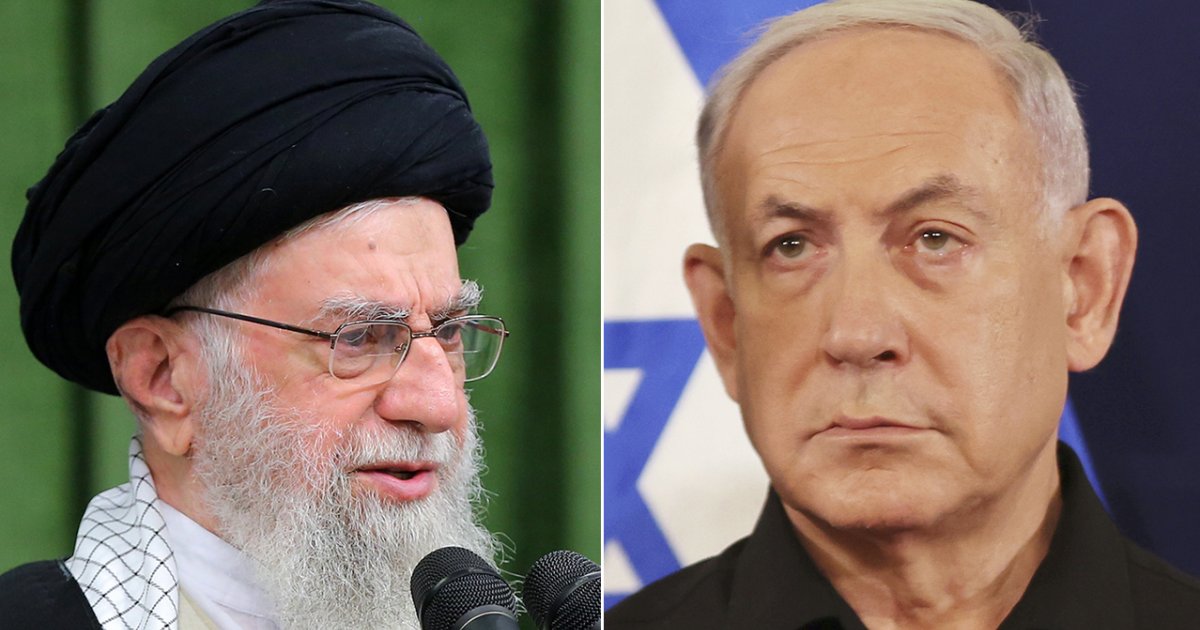
Axios has revealed that the United States and Iran, in collaboration with a group of regional mediators, are discussing the possibility of reaching an agreement for a ceasefire lasting 45 days. This potential agreement could represent a significant step towards achieving a permanent resolution to the ongoing conflict in the region.
The sources cited by the website include American and Israeli officials, as well as sources from Middle Eastern countries, highlighting the importance of these negotiations in the context of the tense situation in the area. Although details are still under discussion, this move reflects increasing efforts by the involved parties to seek peaceful solutions to the ongoing disputes.
Details of the Negotiations
The current negotiations include provisions related to halting hostilities, providing humanitarian corridors, and establishing mechanisms to monitor compliance with the agreement. Reports indicate that these efforts come at a sensitive time as international pressure mounts to end armed conflicts in the region.
Reuters reporters have been unable to verify the information contained in the report, as no official comment has been issued by the White House or the U.S. State Department regarding these negotiations. This uncertainty increases the importance of monitoring developments in the coming days.
Background & Context
Historically, relations between the United States and Iran have been marked by severe tensions, especially following Washington's withdrawal from the Iranian nuclear deal in 2018. Since then, hostilities between the two sides have escalated, negatively impacting regional stability. However, any efforts to reach a ceasefire agreement could represent a glimmer of hope for achieving peace.
These negotiations coincide with growing international concern about the humanitarian situation in conflict-affected areas, where civilians are suffering from the ongoing impacts of the conflicts. Therefore, any potential agreement could help alleviate the suffering of these civilians.
Impact & Consequences
If a ceasefire agreement is reached, it could have positive effects on the security and humanitarian situations in the region. This agreement may lead to a reduction in tensions between the conflicting parties, opening the door for broader diplomatic efforts.
Moreover, the success of these negotiations could encourage other countries in the region to take similar steps towards dialogue and understanding, contributing to enhanced regional stability.
Regional Significance
This development holds particular importance for Arab countries, as the stability of the region is closely linked to the situations in Iran, Iraq, and Syria. Any progress towards a ceasefire could help improve relations between Arab states and Iran, potentially leading to greater cooperation in areas of security and development.
In conclusion, all eyes remain on the outcomes of these negotiations, as any agreement could alter the dynamics of the conflict in the region and enhance the prospects for peace.