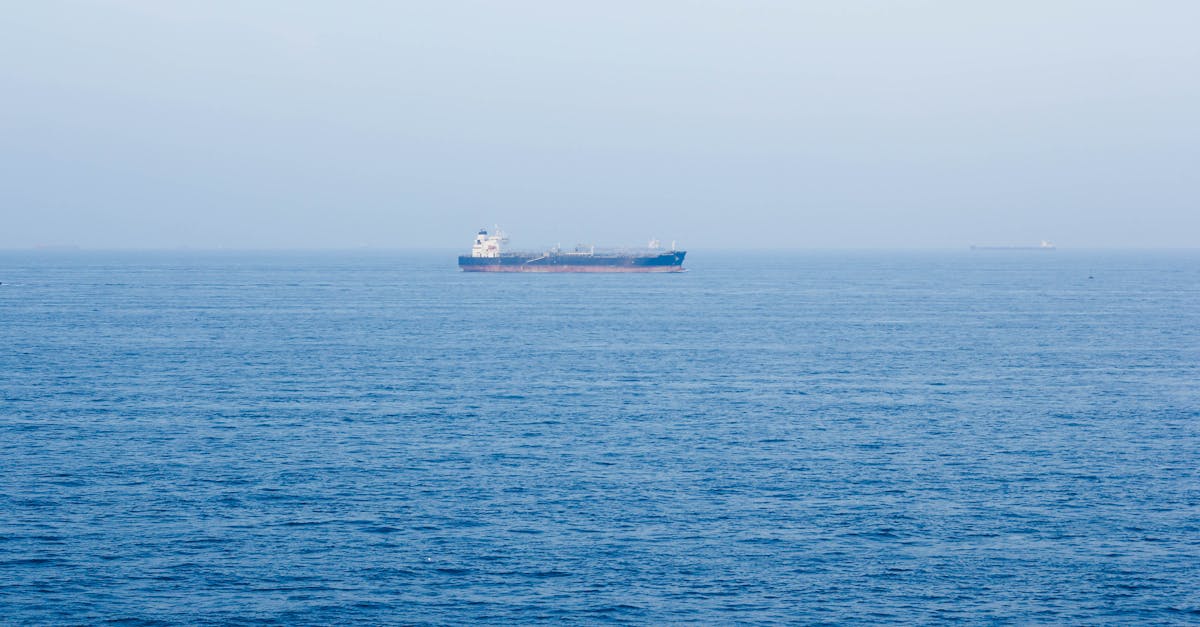
The United States and Iran have announced a two-week ceasefire agreement, which includes the reopening of the Strait of Hormuz, a vital artery for global trade. This agreement comes at a sensitive time marked by increasing tensions in the region, signaling a potential for diplomatic solutions amid ongoing crises.
This agreement, reached after intensive negotiations, reflects both parties' desire to ease the tensions that have plagued the region in recent months. Officials from both sides indicated that this decision is part of a joint effort to calm the situation and achieve stability in the area.
Details of the Agreement
Details of the agreement were announced during a joint press conference between the U.S. and Iranian foreign ministers, where both sides emphasized the importance of reopening the Strait of Hormuz, which is a major transit point for oil and gas to global markets. Officials noted that this decision will contribute to enhancing maritime security and stabilizing oil prices in global markets.
Mechanisms for monitoring the ceasefire's implementation were also agreed upon, including the deployment of international monitoring teams to ensure compliance with the agreement. This announcement has been welcomed by many countries that hope this agreement will help reduce tensions in the region.
Background & Context
Historically, the Strait of Hormuz has experienced ongoing tensions, being one of the busiest waterways in the world. In recent years, tensions between the United States and Iran have escalated, particularly following the U.S. withdrawal from the Iranian nuclear deal in 2018. This withdrawal led to the imposition of severe economic sanctions on Iran, further heightening tensions in the region.
In recent years, there have been numerous maritime incidents in the strait, including attacks on oil tankers, raising fears of potential military escalation. However, this new agreement may represent an opportunity to alleviate these tensions and rebuild trust between the two sides.
Impact & Consequences
This agreement is seen as a positive step towards achieving stability in the region, as it could contribute to improving relations between the United States and Iran. Additionally, reopening the Strait of Hormuz may lead to stabilization of oil prices in global markets, benefiting the global economy.
However, questions remain regarding both parties' commitment to this agreement, especially given the long history of tensions and differences between them. The success of this agreement depends on both sides' ability to overcome political and economic obstacles that may hinder its implementation.
Regional Significance
This agreement holds particular importance for Arab countries, many of which rely on stable oil prices. Reopening the Strait of Hormuz could enhance maritime trade and bolster maritime security in the region. Furthermore, this agreement may pave the way for increased cooperation between Arab states and Iran, potentially contributing to regional stability.
In conclusion, this agreement represents a new opportunity for peace and stability in a region plagued by ongoing tensions and conflicts. The success of this agreement hinges on the political will from both sides and the international community's support for peace efforts in the region.