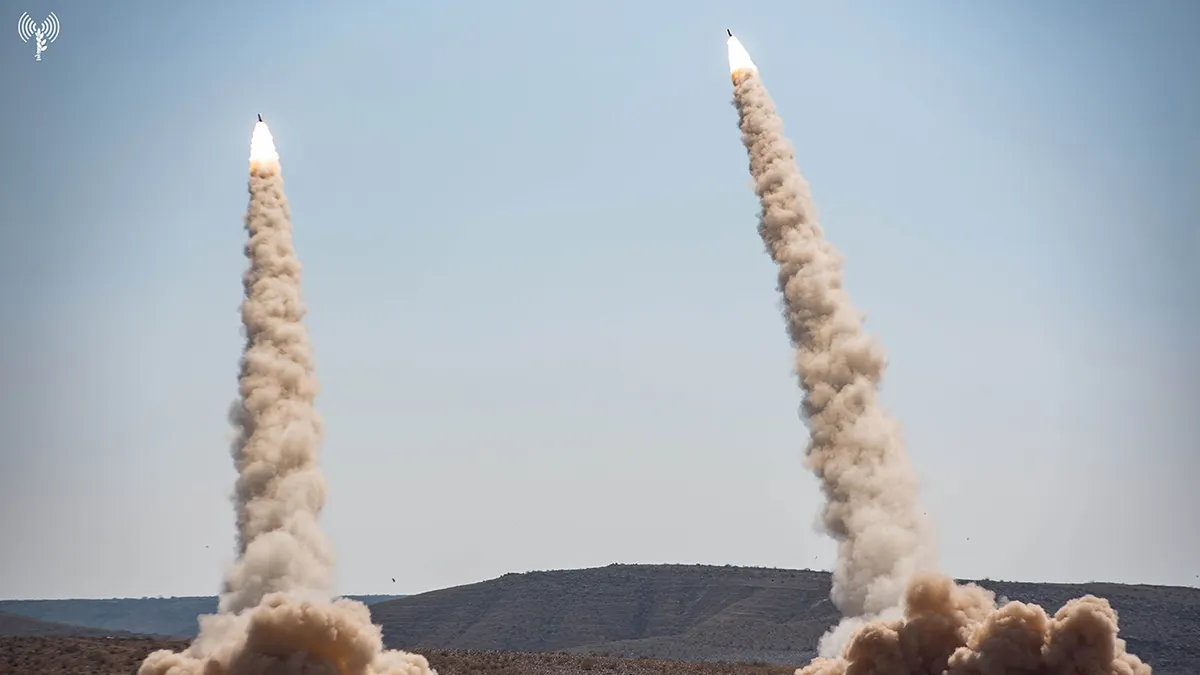
On February 28, the United States and Israel launched extensive military strikes against Iran, marking a new escalation in a series of increasing tensions in the region. These strikes targeted government and military sites, raising international concerns about the implications of these operations on regional security.
President Donald Trump announced that this military operation could last no longer than four weeks, indicating a defined timeframe for this campaign. These developments come at a sensitive time, as relations between the United States and Iran have been increasingly strained since Washington's withdrawal from the nuclear agreement in 2018.
Details of the Event
The strikes carried out by the United States and Israel primarily targeted military facilities believed to be involved in the development of nuclear weapons. These operations are part of a broader strategy aimed at undermining Iranian influence in the region, particularly in Iraq and Syria.
The military escalation between the United States and Iran was not unexpected, as there had been prior indications of Washington's intent to take military action against Tehran. The economic and political pressures faced by Iran in recent years, along with its support for militias in the region, made this confrontation a likely scenario.
Background & Context
Since 2018, when the United States withdrew from the Iranian nuclear agreement, relations between Tehran and Washington have significantly deteriorated. The economic sanctions imposed by the United States on Iran have led to a decline in the country’s economic situation, exacerbating tensions.
Iran, for its part, has responded to these sanctions by enhancing its nuclear program and expanding its influence in the region, raising concerns among neighboring countries and the United States. This historical context underscores the significance of the recent strikes and complicates the security landscape in the Middle East.
Impact & Consequences
The military strikes conducted by the United States and Israel could lead to a greater escalation in the confrontation with Iran, threatening regional stability. Iran is expected to respond to these strikes, which could result in a cycle of violence and reciprocal responses.
The potential consequences of these operations may include increased tensions among major powers in the region, as well as their impact on oil prices and financial markets. Additionally, these events could heighten conflicts in Iraq and Syria, where American and Iranian forces are present.
Regional Significance
The U.S.-Israeli strikes on Iran may directly affect neighboring Arab countries, especially those experiencing internal conflicts or tensions with Iran. Countries like Iraq and Lebanon may find themselves in a difficult position, as their security and political strategies could be influenced by the developments of this confrontation.
Moreover, these events may lead to strengthened alliances between some Arab states and Israel, in the context of countering the Iranian threat. However, such alliances may provoke negative reactions from certain factions in the region, further complicating the security situation.
In conclusion, the military strikes conducted by the United States and Israel against Iran represent a turning point in the ongoing conflict between major powers in the region. As tensions continue, the question remains about how events will unfold in the coming weeks and their impact on regional and international security.