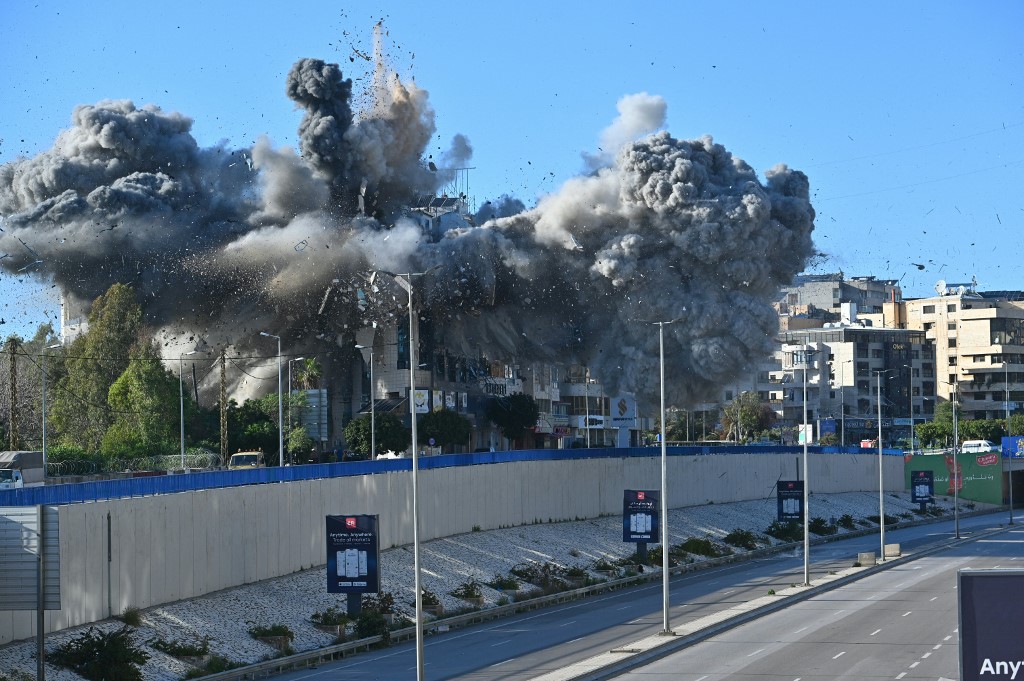
A new US-Israeli airstrike has resulted in the deaths of two individuals and injuries to several others at the Karaj bridge, located near the Iranian capital, Tehran. This strike follows the first targeting of the bridge, where rescue teams were present to assist victims from the previous attack.
According to the Iranian Fars news agency, the attack occurred while rescue teams were attempting to provide aid to the wounded, causing chaos and panic in the area. Authorities in Alborz province issued warnings to citizens to stay away from the attack site, amid increasing fears of repeated assaults.
Details of the Incident
The attack on the Karaj bridge is seen as part of an ongoing escalation in tensions between Iran and both the United States and Israel. The bridge, which is one of the vital corridors in the region, has faced increasing pressure due to the rising political and military events in the Middle East.
It is noteworthy that the initial attack on the bridge resulted in numerous injuries, prompting rescue teams to head to the site. However, the second attack complicated the situation further, making it difficult for medical teams to provide necessary assistance amid ongoing strikes.
Background & Context
Historically, relations between Iran and the United States have been marked by severe tensions since the Islamic Revolution in 1979. These tensions have escalated in recent years, particularly following the US withdrawal from the Iranian nuclear deal in 2018. Since then, military and political pressures on Iran have increased, leading to an escalation of military attacks.
Israel, which views Iran as an existential threat, has conducted several military operations against Iranian targets in Syria, reflecting Tel Aviv's strategy to counter Iranian influence in the region. The attack on the Karaj bridge is part of this strategy, showcasing the willingness of the US and Israel to collaborate on military operations against Iran.
Impact & Consequences
Repeated attacks on Iranian targets could lead to a greater escalation of conflict in the region, as Iran may respond to these attacks in various ways, either through increased military activity or by supporting armed groups in the area.
These events could also affect the security situation in Iraq and Syria, where Iranian forces and affiliated militias are present. Military escalation could destabilize these countries, negatively impacting regional security.
Regional Significance
The impact of these events extends to Arab countries, where the escalation between Iran and the United States could heighten tensions in areas such as the Arabian Gulf. Arab nations, wary of Iranian influence, may find themselves compelled to adopt more aggressive stances in response to potential threats.
Furthermore, the deteriorating security situation in the region could affect the Arab economy, particularly in the oil and energy sectors. Any military escalation could lead to rising oil prices, impacting the economies of Arab countries reliant on oil exports.
In conclusion, the events in Karaj exemplify the increasing tensions in the Middle East, necessitating that Arab nations adopt strategic positions to address the growing security and economic challenges.