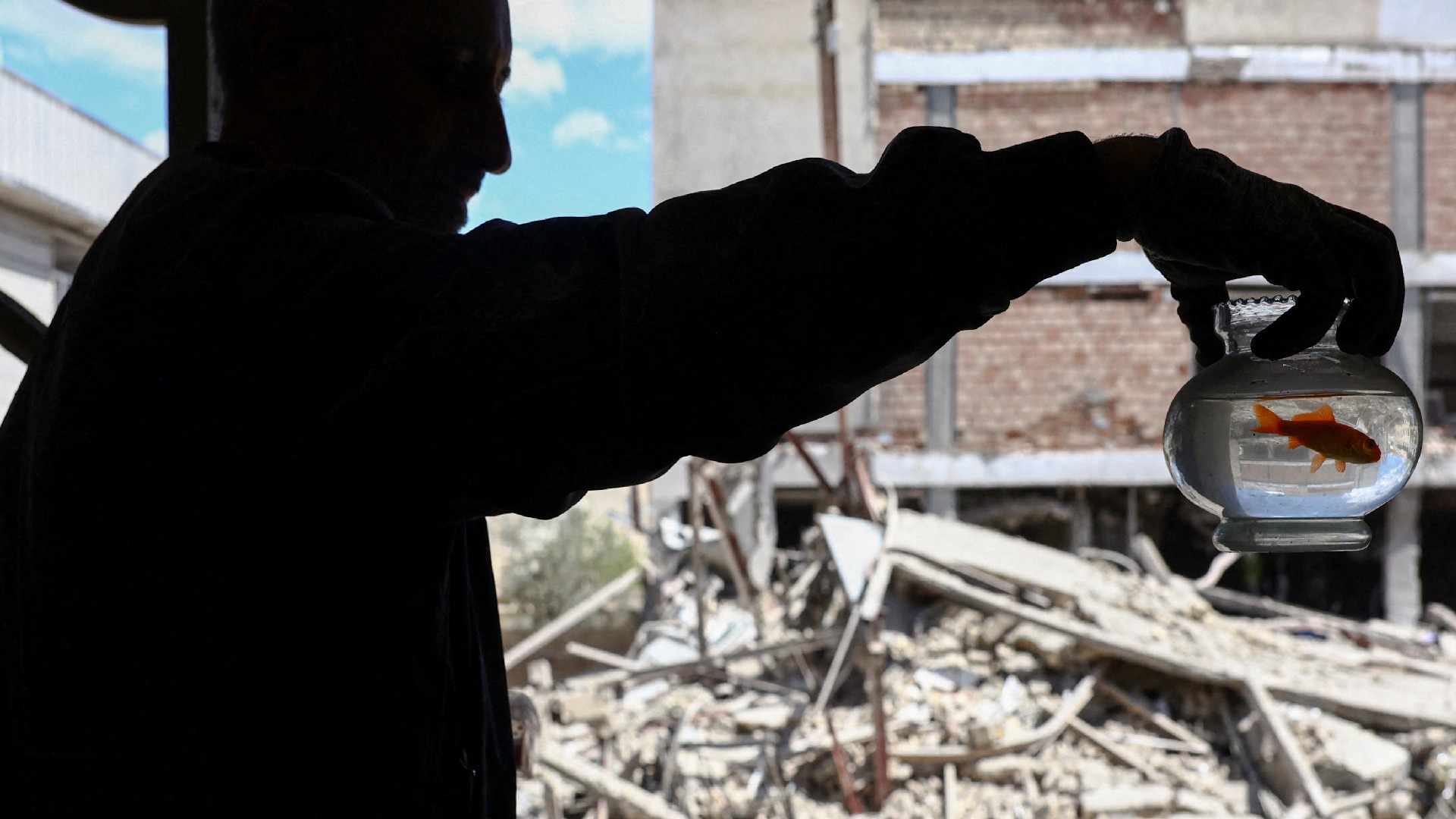
The Popular Mobilization Forces, backed by Iran, announced that one of their units in the city of Tal Afar in northern Iraq was subjected to a dual airstrike, described as being carried out by the United States and Israel. The forces confirmed that the attack resulted in the death of a commando battalion commander and another soldier, in addition to injuring four other soldiers.
This attack comes at a time when reports of similar strikes targeting Popular Mobilization sites in Ninawa province are increasing, reflecting the rising tensions in the region amid the ongoing conflict between the United States and Iran.
Details of the Incident
In an official statement, the Popular Mobilization Forces reported that the attack occurred late at night, as fighter jets targeted their positions in Tal Afar. The deceased commander was identified as the leader of the commando battalion, a prominent figure in the Popular Mobilization. The injured were transported to the hospital for treatment.
This incident is part of a series of attacks targeting the Popular Mobilization Forces, which the United States and Israel consider a threat to regional security. These attacks have increased recently, raising concerns about escalating violence in the area.
Background & Context
The Popular Mobilization Forces were established in 2014 to combat the ISIS organization and played a key role in reclaiming territory that was under the group’s control. However, the relationship between the Popular Mobilization and the United States is complex, as Washington views some factions within the Popular Mobilization as receiving support from Iran, which heightens tensions in the region.
Historically, Iraq has witnessed numerous airstrikes targeting armed factions, especially those linked to Iran. These attacks have strained relations between Iraq and both the United States and Iran, as each party seeks to achieve its interests in the region.
Impact & Consequences
This airstrike represents a serious escalation in the ongoing conflict, as it may provoke reactions from the Popular Mobilization Forces, increasing the likelihood of further violence in Iraq. Additionally, this escalation could affect stability across the entire region, potentially leading to heightened tensions between Iran and the United States.
Moreover, this incident may impact Iraq's relations with Western countries, as the Iraqi government could be perceived as unable to protect its forces from external attacks. This could present new challenges for the government in managing the security situation.
Regional Significance
The repercussions of this airstrike extend beyond Iraq, reflecting the increasing tensions in the region among major powers. The escalation of violence in Iraq could affect neighboring countries, particularly those experiencing internal conflicts or tensions with Iran.
Furthermore, events in Iraq may influence regional and international negotiations, as major powers seek to stabilize the area. Therefore, the continuation of these attacks could complicate efforts to achieve peace in the Middle East.