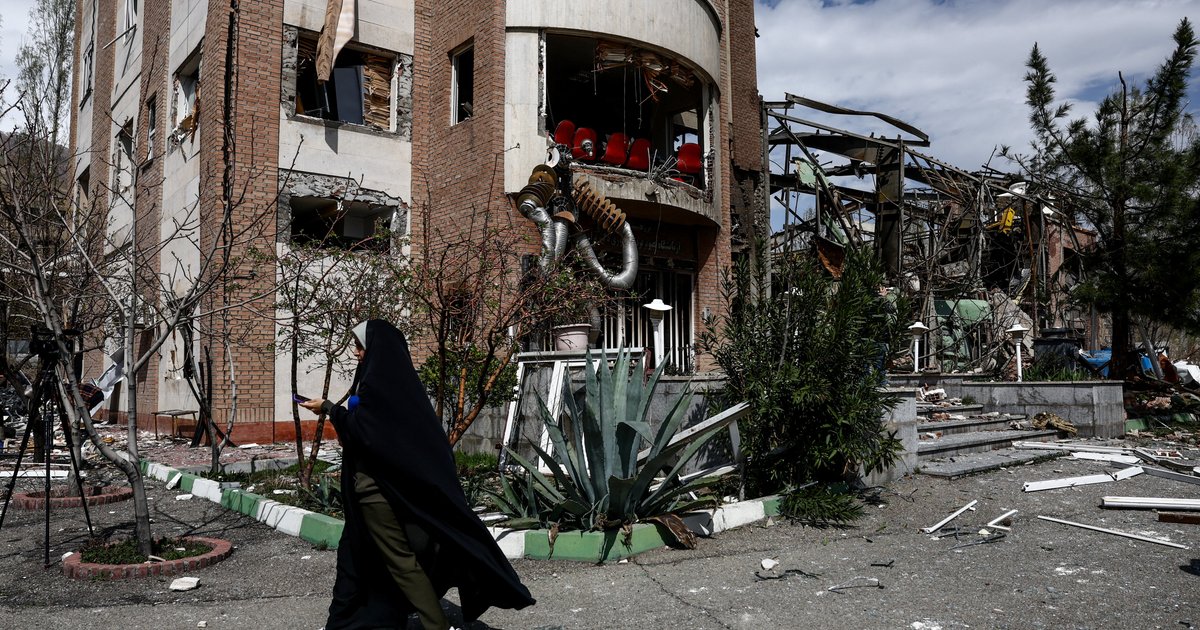
U.S. and Israeli forces have conducted new airstrikes on a petrochemical complex in the Iranian city of Marvdasht, according to the Iranian news agency Fars. This strike comes less than 24 hours after a previous attack targeted the South Pars complex in the Asaluyeh region.
The fire resulting from the attack on the South Pars complex was contained within minutes, with no significant damage or injuries reported, according to Iranian state media. These events occur amid escalating tensions between Iran and the United States and its allies in the region.
Details of the Incident
The recent attack on the Marvdasht complex is part of a series of strikes targeting Iranian infrastructure, particularly in the energy sector. These airstrikes indicate an escalation in military operations aimed at critical facilities in Iran, heightening tensions in the region.
The previous attack on the South Pars complex raised widespread concern within Iranian circles, as this facility is considered one of the most important oil installations in the country. The rapid containment of the fire suggests Iran's preparedness to confront such threats, but it also highlights the security challenges it faces.
Background & Context
Historically, relations between Iran and the United States have seen increasing tensions, especially following the U.S. withdrawal from the nuclear agreement in 2018. Since then, Washington has imposed stringent economic sanctions on Iran, adversely affecting its economy, particularly in the energy sector.
Iran views the energy sector as a crucial part of its economy, with much of the government revenue relying on oil and gas exports. Therefore, any attack targeting these facilities is seen as a direct threat to the country's economic stability.
Impact & Consequences
Repeated attacks on Iranian facilities could lead to greater military escalation in the region, as Iran may respond to these strikes in various ways, either through direct military operations or by supporting armed groups in the area.
These events may also impact global oil markets, potentially leading to an increase in oil prices due to concerns over escalating tensions in the Gulf region, which is considered one of the world's most important oil-producing areas.
Regional Significance
Tensions between Iran and the United States directly affect neighboring Arab countries, as they may lead to increased sectarian and political tensions in the region. Gulf states, such as Saudi Arabia and the UAE, are closely monitoring these developments, as any escalation could impact their security and stability.
In light of these circumstances, Arab countries must take proactive measures to ensure their security, whether through enhancing security cooperation or seeking diplomatic solutions to ease tensions.