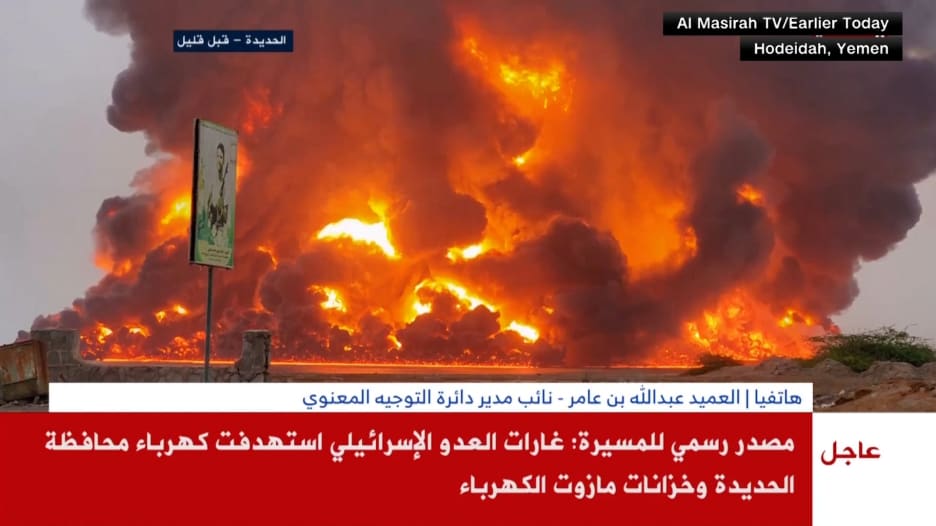
A joint airstrike by the United States and Israel has targeted a university in the Iranian capital, Tehran, according to reports from the Mehr News Agency. This strike comes in the context of increasing military attacks that the country has been experiencing in recent weeks. Tehran has been subjected to multiple airstrikes, heightening tensions in the region.
Reports indicate that the city has witnessed numerous strikes on various sites, reflecting a significant escalation in military operations. These attacks have raised growing concerns among political and public circles, as they are viewed as part of a broader strategy aimed at undermining Iranian influence in the region.
Details of the Incident
According to reports, the airstrike targeting the university followed a series of attacks on military and security sites in Tehran. It is believed that these operations are part of efforts by the United States and Israel to pressure Iran, especially amid the political and economic crises facing the country.
The Iranian authorities have not yet disclosed precise details regarding the damage or casualties resulting from the strike, but rumors suggest that significant damage may have occurred to university facilities. This attack is considered a major escalation in the ongoing conflict between Iran on one side and the United States and its allies on the other.
Background & Context
Historically, relations between Iran and the United States have been marked by severe tensions since the Islamic Revolution in 1979. These tensions have particularly escalated following the US withdrawal from the Iranian nuclear deal in 2018, leading to the imposition of stringent economic sanctions on Tehran. In recent years, Israel has intensified its military operations against Iranian targets in Syria, reflecting its concerns over Iran's growing influence in the region.
Tehran is considered a strategic center for Iranian influence, with the capital serving as a launch point for numerous military and political operations. The recent attacks reflect increasing concerns from the United States and Israel regarding Iranian nuclear and military activities, further intensifying the conflict in the region.
Impact & Consequences
Analysts suggest that the escalation of attacks on Tehran may provoke strong reactions from the Iranian government, which could resort to retaliatory measures against American and Israeli interests in the region. This escalation threatens regional stability and increases the likelihood of a large-scale military conflict.
Moreover, these attacks could impact the internal situation in Iran, potentially leading to increased public protests against the government, especially amid the difficult economic conditions the country is facing. Additionally, military escalation could hinder international diplomatic efforts aimed at finding peaceful solutions to the Iranian crisis.
Regional Significance
Events in Iran have a direct impact on the situation in the Arab region, where Iran is a key player in many regional conflicts. The escalation of tensions in Tehran could lead to increased instability in countries such as Iraq, Syria, and Lebanon, where Iranian-backed militias are present.
Furthermore, Arab countries may find themselves compelled to reassess their security and military strategies in light of these developments. These events could lead to enhanced cooperation between Arab states and the United States to counter the growing Iranian threats.
In conclusion, the situation in Iran remains a focal point for the world, as any further escalation could have serious repercussions for regional and international security. It is crucial to closely monitor developments, as events in Tehran could mark a turning point in the ongoing conflict in the region.