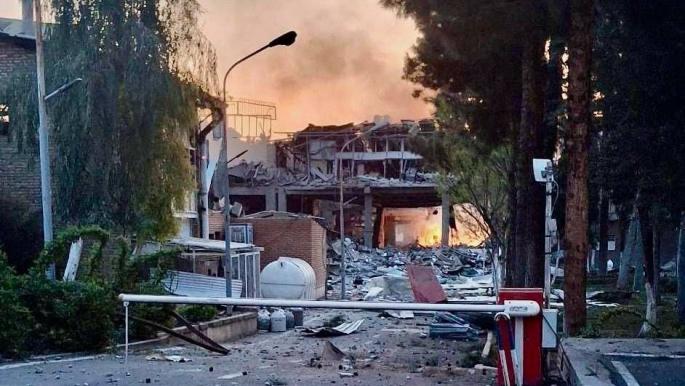
The Iranian Pasteur Institute in Tehran, regarded as one of the oldest and most important public health and research centers in the Middle East, has come under coordinated attacks by the United States and Israel. The attacks resulted in the destruction of several buildings and laboratories associated with the institute, raising concerns about the impact on health research in the country.
The Pasteur Institute is known as a leading center for health research, playing a vital role in the development of vaccines and medicines. Established in 1920, it is considered a cornerstone in combating infectious diseases in Iran.
Details of the Incident
The attacks on the institute occurred at a sensitive time, as Iran was experiencing heightened tensions with the United States and its allies. Initial reports indicate that the attacks targeted vital laboratories working on research related to infectious diseases, which could negatively affect the country's ability to respond to epidemics.
Iranian officials have strongly condemned the attacks, asserting that these actions represent a blatant violation of national sovereignty. They also pointed out that these attacks could have serious repercussions for health security in the region.
Background & Context
Historically, relations between Iran and the United States have been marked by increasing tensions, especially following Washington's withdrawal from the nuclear agreement in 2018. These tensions have led to military escalations in the region, with Iran accusing the U.S. and Israel of attempting to undermine its stability through military strikes and targeting its vital facilities.
The Pasteur Institute, considered a beacon of scientific research in Iran, has faced repeated threats in the past, but these attacks represent an unprecedented escalation in targeting health facilities. This situation raises questions about the future of health research in the country and how these attacks will affect Iran's capacity to tackle health challenges.
Impact & Consequences
The attacks on the Pasteur Institute could lead to serious consequences for health security in Iran, as vital research contributing to the development of vaccines and medicines may be disrupted. Additionally, these attacks could impact international cooperation in public health, as countries may hesitate to collaborate with Iran out of fear of military repercussions.
Moreover, these events could escalate tensions in the region, increasing the risk of new conflicts. Targeting health facilities is also considered a violation of international laws that protect medical facilities during conflicts.
Regional Significance
These attacks serve as a wake-up call for Arab countries, demonstrating that health security can be affected by political and military tensions. In the face of global pandemics, it becomes essential to enhance cooperation among Arab nations in public health, sharing information and expertise to address health challenges.
Furthermore, these events may prompt Arab countries to reassess their health security strategies and develop emergency plans to counter any potential threats. Regional cooperation in health could have a positive impact on enhancing health security in the area.
In conclusion, the attacks on the Iranian Pasteur Institute highlight the importance of protecting health facilities during times of conflict and underscore the need to strengthen international and regional cooperation to address health challenges. Given the current circumstances, hope remains pinned on the ability of nations to overcome these crises and work together for a healthier future.