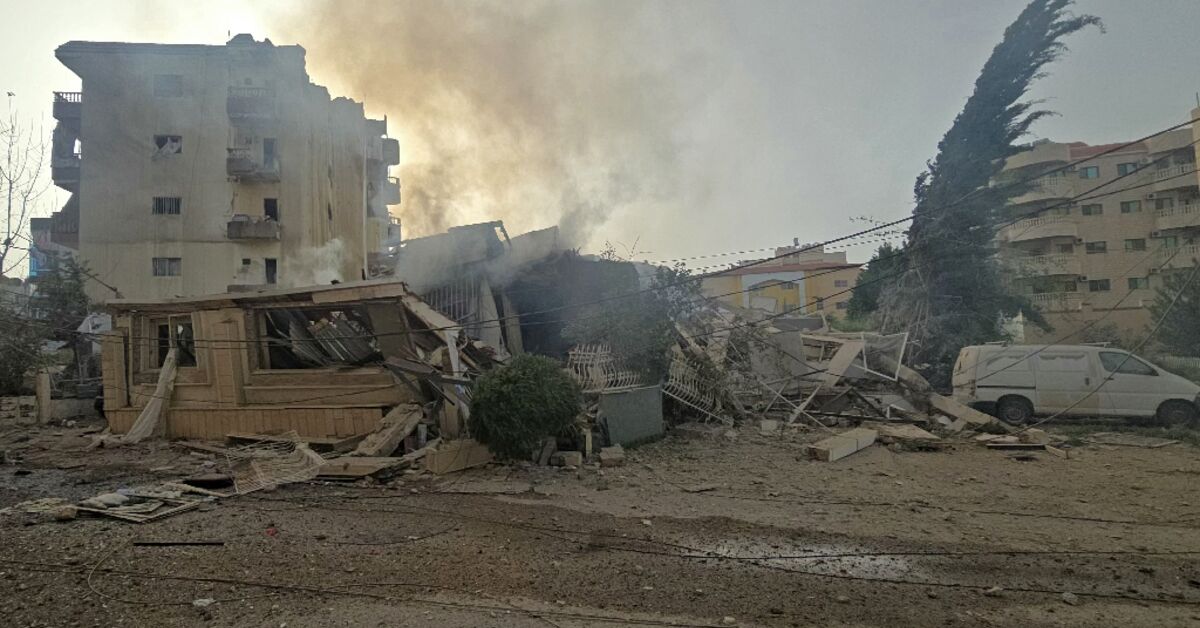
A coordinated attack by the United States and Israel has struck a petrochemical area in the Iranian city of Mahshahr, causing significant yet unspecified damage. Iranian media reported that the attack targeted several companies in the region, raising alarms about the rising tensions in the Middle East.
At the same time, Turkish Transport Minister Adil Karaismailoğlu announced the passage of a second Turkish ship through the Strait of Hormuz, where there were 15 vessels owned by Turkish companies in the area when the war broke out. This development reflects the continuation of maritime traffic despite the prevailing tensions.
Details of the Incident
The attack on the Mahshahr area comes at a highly sensitive time, as the region is witnessing an escalation in military conflicts. The assault, believed to have been carried out by drones or missiles, targeted Iran's critical infrastructure, which could impact its oil and petrochemical production.
The Mahshahr area is considered one of Iran's most important industrial centers, housing numerous factories that play a vital role in the Iranian economy. Therefore, any damage inflicted on this area could have negative repercussions on both the local and regional economy.
Background & Context
Historically, relations between Iran and the United States have seen significant escalation since Washington's withdrawal from the Iranian nuclear deal in 2018. Since then, the United States has imposed stringent sanctions on Iran, increasing tensions in the region. Additionally, military alliances between the United States and Israel have heightened the likelihood of military operations against Iranian targets.
On the other hand, Turkey is a significant player in the region, seeking to maintain its economic and political interests. The passage of Turkish ships through the Strait of Hormuz reflects Ankara's desire to preserve maritime trade routes despite surrounding risks.
Impact & Consequences
Attacks on Iranian facilities could provoke military responses from Tehran, potentially escalating the conflict in the region. This escalation may also affect global oil markets, as many countries rely on Iranian oil. Any disruptions in Iranian production could lead to rising oil prices, impacting the global economy.
Furthermore, the continuation of attacks could lead to an increase in military conflicts in the region, exacerbating civilian suffering and affecting regional stability. It is crucial for neighboring countries to closely monitor these developments, as any escalation could extend to involve other nations in the region.
Regional Significance
Arab countries neighboring Iran, such as Iraq, Saudi Arabia, and the UAE, find themselves in a highly sensitive position. Any escalation in the conflict could affect the stability of these nations, especially given the existing tensions. Additionally, rising oil prices resulting from these events could have direct impacts on the economies of oil-producing Arab states.
In conclusion, recent events in the Middle East indicate a potential escalation in military conflicts, necessitating proactive measures from Arab nations to safeguard their interests and stability. The international community must also intervene to mitigate escalation and ensure peace in the region.