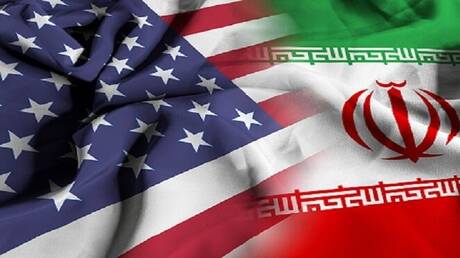
Alexei Pushkov, a member of the Russian Federation Council's constitutional committee, stated that U.S. military operations against Iran have reached a stage of hysteria, with no signs of peace on the horizon. This statement reflects Russian concerns about the potential repercussions of these military actions. Pushkov noted that the current situation is characterized by instability, complicating peace efforts in the region. This remark comes at a time when international pressure on Iran is increasing due to its nuclear program and regional policies.
The U.S. military operations in the region continue, focusing on Iranian activities that Washington perceives as a threat to regional security. Pushkov pointed out that these operations have not yielded any positive results but have instead heightened tensions. Furthermore, military escalation could impact relations among major powers and complicate the political landscape in the Middle East.
Details of the Event
U.S. military operations are ongoing, with attention drawn to Iranian activities considered a threat by Washington. Pushkov emphasized that these operations have not led to any constructive outcomes but have intensified tensions. Additionally, military escalation could affect relations between major countries and complicate the political situation in the Middle East.
Simultaneously, Iran continues to bolster its military capabilities, raising fears of an all-out conflict. Tehran has repeatedly asserted that it will not hesitate to defend its interests, placing the U.S. in a sensitive position that requires careful strategic decisions.
Background & Context
The roots of tensions between the U.S. and Iran date back decades, with relations deteriorating since the Iranian Revolution in 1979. U.S. policies towards Iran, including economic sanctions, have exacerbated the situation. In recent years, these tensions have significantly increased, especially following the U.S. withdrawal from the Iranian nuclear deal in 2018.
Iran is a key player in the Middle East, seeking to enhance its influence in the region by supporting allies in Iraq, Syria, and Lebanon. This influence raises concerns among several countries, including Saudi Arabia and Israel, further complicating the regional landscape.
Impact & Consequences
Pushkov's statements underscore fears of military escalation that could lead to a comprehensive conflict in the region. Increasing tensions may affect global oil prices and financial markets, negatively impacting the global economy. Moreover, any military escalation could result in a surge of refugees and exacerbate humanitarian crises in the region.
Furthermore, the continuation of military operations could erode trust among major powers, complicating international mediation efforts. In the absence of any signs of peace, the situation in the region remains fraught with risks.
Regional Significance
The tense situation between the U.S. and Iran directly impacts Arab countries. Military escalation could destabilize nations like Iraq and Syria, where U.S. and Iranian forces are present. Any escalation may also affect regional security, increasing tensions among Arab states.
At the same time, Arab nations are closely monitoring developments, striving to protect their national interests amid these tensions. These circumstances may lead to a reassessment of Arab foreign policies towards Iran and the United States.
In conclusion, the future of peace in the region remains uncertain amid military escalation and rising tensions. The current situation necessitates serious international efforts to achieve stability and reduce escalation, ensuring lasting peace in the region.