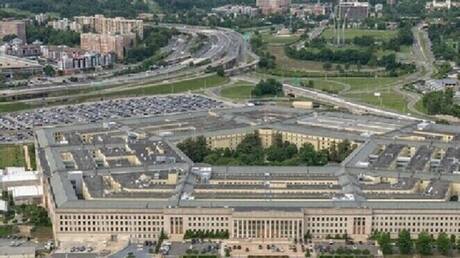
The U.S. Department of Defense (Pentagon) has reported that the number of American military personnel injured during military operations against Iran has now reached 365 cases. This figure emerges at a sensitive time as tensions between the United States and Iran escalate, raising questions about the military and political dimensions of this operation.
This operation is part of ongoing U.S. efforts to counter Iranian activities in the region, which include supporting armed militias in Iraq and Syria, as well as Iran's nuclear program. This escalation has raised concerns among many countries in the region and around the world.
Details of the Operation
The U.S. military operation is being conducted as part of a broader strategy aimed at enhancing regional security and countering potential threats from Iran. These operations have been carried out in coordination with U.S. allies in the region, focusing on specific military targets.
The air and ground operations conducted by U.S. forces employ advanced technologies, increasing the effectiveness of military strikes. However, the rising number of injuries among American soldiers raises concerns, especially given the increasing risks faced by troops in conflict zones.
Background & Context
Historically, relations between the United States and Iran have been tense since the Islamic Revolution in 1979. These relations have seen a notable escalation in recent years, particularly following the U.S. withdrawal from the Iranian nuclear deal in 2018. Since then, Washington has imposed strict economic sanctions on Tehran, exacerbating the situation in the region.
In recent years, Iranian military activities in Iraq and Syria have increased, prompting the United States to take preemptive military steps. These military operations are not new, but they come at a sensitive time as fears of a larger escalation that could lead to a full-scale conflict grow.
Impact & Consequences
The ramifications of these military operations extend beyond the injuries within the U.S. military. The increase in injuries may affect public support for the military operation in the United States, especially amid domestic economic and political conditions. Additionally, these operations may provoke reactions from Iran, increasing the likelihood of military escalation in the region.
Moreover, these operations could impact U.S. relations with its allies in the region, as some allies may feel concerned about the rising tensions. There are also fears that these operations could destabilize Iraq and Syria, where humanitarian and political crises already exist.
Regional Significance
The U.S. military operations against Iran are part of a broader conflict in the region, where Iran plays a key role in supporting armed militias in several Arab countries. This conflict affects security and stability in the region, reflecting on economic and social conditions.
Concerns are growing that these operations could lead to greater escalation, negatively impacting neighboring Arab states. There is also worry that these tensions could increase violence and conflicts in other areas, threatening regional security.
In conclusion, the situation in the region remains sensitive, requiring close monitoring of military and political developments by the international community. The injuries among American military personnel may be an indicator of greater escalation, necessitating diplomatic steps to avoid further escalation.