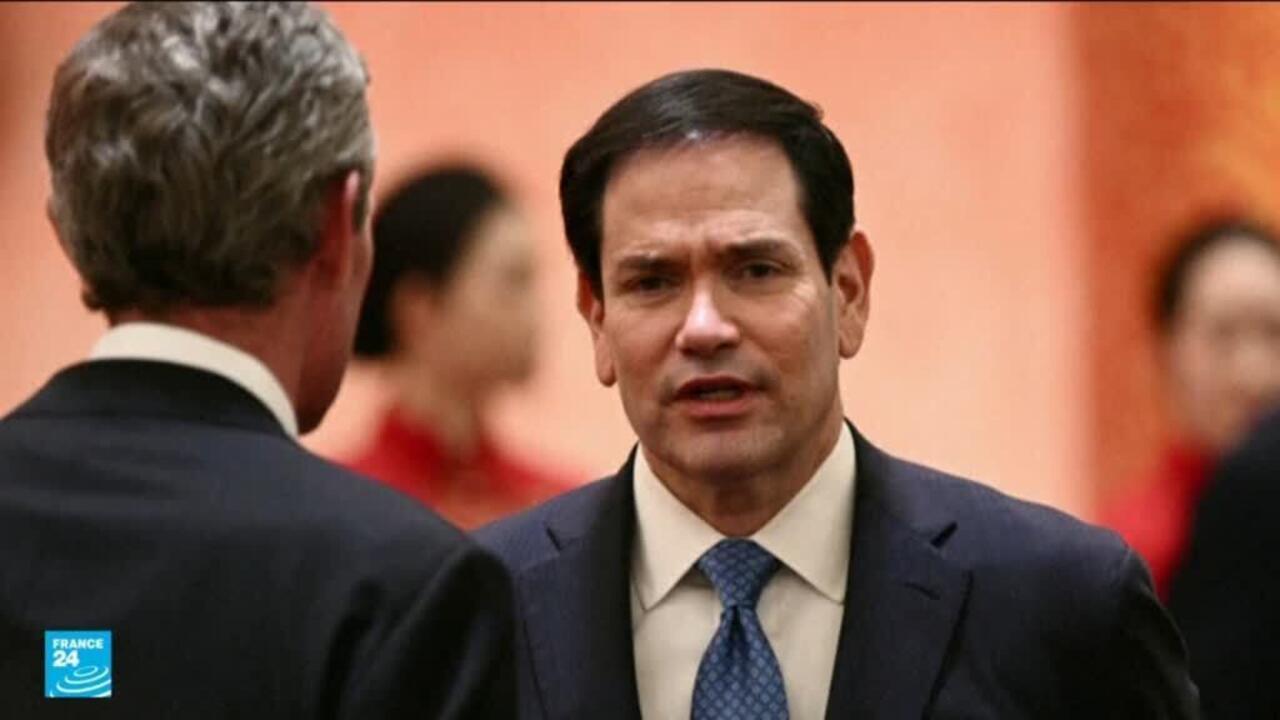
U.S. Secretary of State Marco Rubio announced that the United States has offered conditional aid to Cuba, a move that comes just one day after U.S. courts charged former Cuban President Raul Castro with corruption. This initiative reflects Washington's determination to change the regime in Cuba amidst escalating political and economic pressures on Havana.
Simultaneously, European diplomacy chief Josep Borrell called for an end to the "control" and "isolation" imposed on the Cuban people. This comes against the backdrop of a severe economic crisis that has been exacerbated by ongoing U.S. sanctions.
Details of the Proposed Aid
The conditional aid proposed by the United States includes financial support and humanitarian assistance, contingent upon the Cuban government taking steps towards political and economic reform. This initiative comes at a critical time when the Cuban regime faces increasing internal and external challenges.
On another front, U.S. courts have accused Raul Castro of corruption and mismanagement, further intensifying pressures on the Cuban regime. These allegations arise as the Cuban people grapple with acute shortages of food and medicine, fueling widespread discontent.
Background & Context
The history of U.S.-Cuban relations is fraught with tensions and conflicts. Since the Cuban Revolution in 1959, the United States has imposed strict economic sanctions on Cuba, significantly impacting the Cuban economy. Despite attempts at rapprochement during former President Barack Obama's administration, relations soured again under former President Donald Trump.
Cuba remains one of the few countries still under a communist regime, making it a perpetual target of U.S. policies. As economic and social crises escalate, pressures mount on the Cuban government to make concessions.
Impact & Consequences
If Cuba responds positively to the conditional aid, it could lead to radical changes in its political and economic system. Such changes may improve the economic situation for the Cuban people, but they could face significant resistance from the ruling regime.
Conversely, increasing U.S. pressures may escalate tensions between Cuba and the United States, potentially negatively impacting bilateral relations. These developments could also affect regional stability in Latin America.
Regional Significance
The U.S.-Cuban relations serve as a model for the challenges faced by political systems in the Arab world. Many Arab countries are experiencing similar internal and external pressures. The Cuban experience may inspire some Arab regimes to reconsider their domestic and foreign policies.
At the same time, these developments could enhance cooperation between Arab countries and Cuba, particularly in health and education sectors, where Cuba has a strong reputation.
In conclusion, the situation in Cuba remains under scrutiny, as any changes that may occur will significantly impact the country's future and international relations.