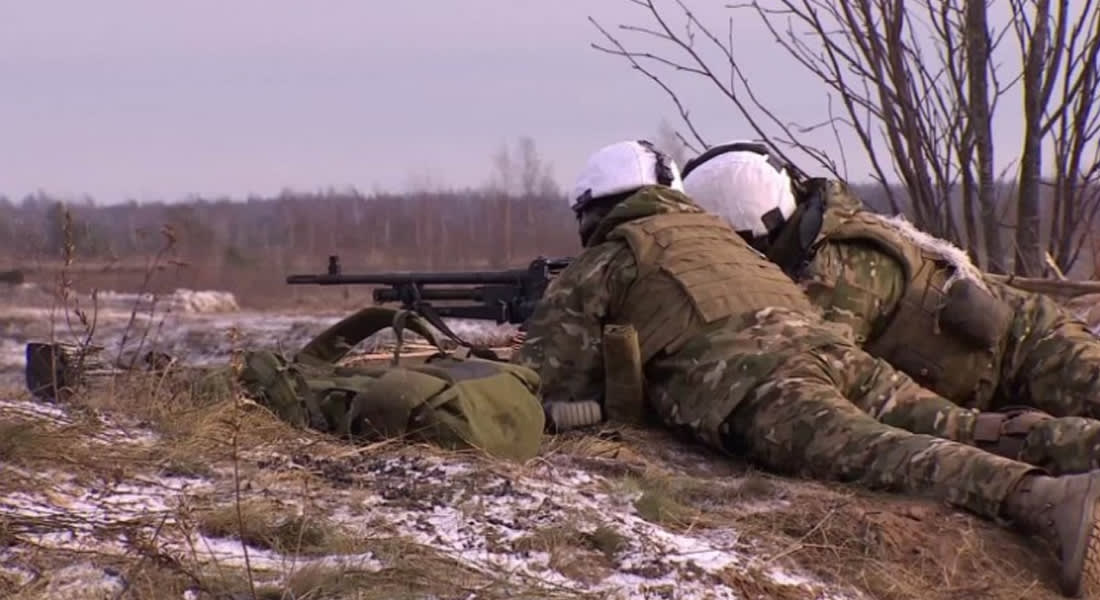
According to informed sources, the U.S. Department of Defense (Pentagon) is set to deploy thousands of soldiers from the 82nd Airborne Division, one of the elite units in the U.S. military, to the Middle East. This step is part of a significant military reinforcement, as the administration of President Donald Trump seeks to initiate talks with Iran.
The sources, who spoke on condition of anonymity, did not specify the exact destination for these troops, but the U.S. military movements in the region raise many questions about the strategic objectives behind these reinforcements.
Details of the Deployment
The 82nd Airborne Division, based at Fort Bragg in North Carolina, is considered one of the leading divisions in the U.S. military, known for its rapid deployment capabilities in conflict zones. This reinforcement is expected to include a range of combat units and logistical supplies, reflecting the United States' commitment to enhancing its military presence in the Middle East.
This move comes amid escalating tensions between the United States and Iran, as the Trump administration aims to pressure Tehran through increased military presence while diplomatic talks continue between the two sides. Some observers have noted that these reinforcements could be part of a broader strategy aimed at deterring Iranian activities in the region.
Background & Context
Historically, the Middle East has witnessed multiple U.S. military interventions, with the United States being one of the key players in regional conflicts. Since the U.S. invasion of Iraq in 2003, American forces have been continuously present in the region, leading to ongoing tensions with regional powers, including Iran.
In recent years, tensions between Washington and Tehran have escalated, especially following the U.S. withdrawal from the Iranian nuclear deal in 2018. Since then, the United States has imposed stringent economic sanctions on Iran, further intensifying the conflict between the two sides.
Impact & Consequences
These military reinforcements could escalate tensions in the region, as Iran may respond to this move by increasing its military activities or supporting armed groups in Iraq and Syria. Additionally, the presence of additional American troops may raise concerns among neighboring countries, potentially leading to increased polarization in the region.
Moreover, these actions could impact U.S. relations with its allies in the region, as some may feel apprehensive about the rising military tensions. At the same time, this move could be seen as a strong message from Washington to Tehran, indicating that the United States is committed to protecting its interests in the region.
Regional Significance
These developments are of significant importance to Arab countries, as they may affect regional stability. Many Arab nations, such as Saudi Arabia and the United Arab Emirates, are closely monitoring U.S. actions, especially amid ongoing tensions with Iran.
Furthermore, these reinforcements could impact the security situation in Iraq and Syria, where U.S. forces are already present. If tensions escalate, Arab countries may find themselves compelled to intervene or take clear positions regarding the rising conflict.
In conclusion, developments in the Middle East remain under scrutiny, as any military escalation could significantly impact security and stability in the region. All eyes are on the next steps the Trump administration will take and whether it will succeed in achieving its diplomatic goals through these military reinforcements.