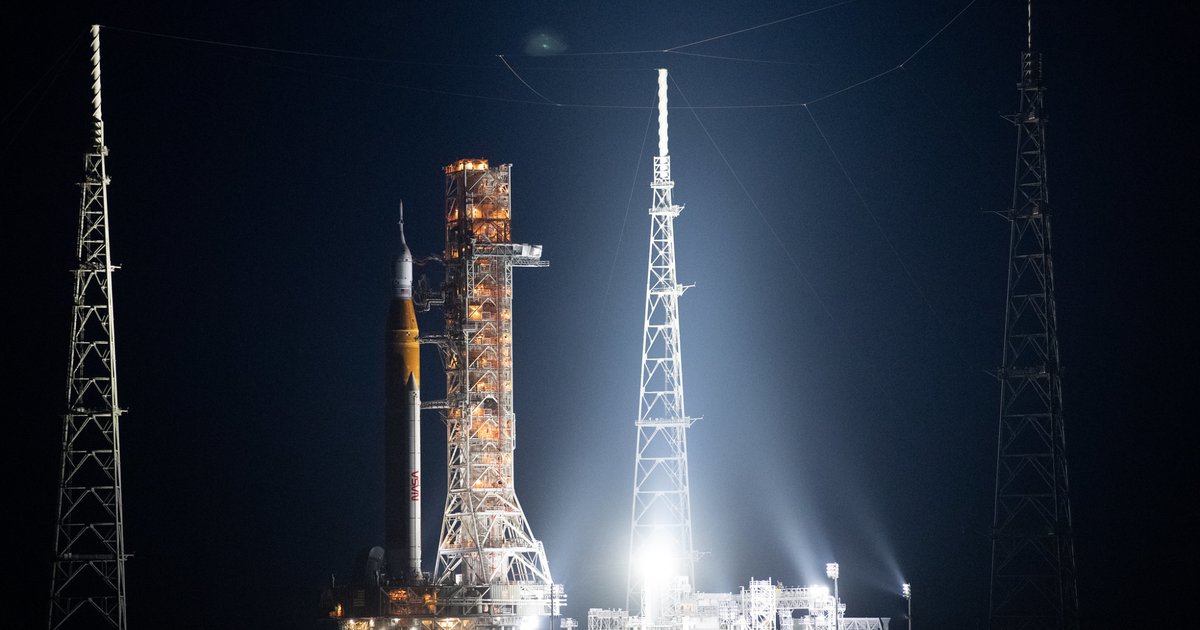
NASA is preparing to lead new missions to the moon, aiming to explore more scientific and commercial opportunities. At the same time, the US Department of Defense has announced plans to bolster its military presence in space to safeguard American interests in this growing domain. This initiative comes as geopolitical tensions and potential threats from other nations seeking to expand their influence in space are on the rise.
Officials at the Department of Defense state that they do not want to be caught off guard when it comes to protecting American interests in space. These statements reflect an increasing concern over potential threats from countries like China and Russia, which are heavily investing in their own space programs.
Details of the Event
The United States' return to the moon is part of the Artemis program, which aims to send astronauts to the moon by 2024. This program is not just a scientific mission; it is also a strategic step to enhance American presence in space. In this context, the Department of Defense is seeking to develop new strategies to protect American interests in space, including the development of military capabilities specifically for this purpose.
The US military plans include enhancing cooperation with allies and international partners in the field of space, reflecting the importance of international collaboration in facing increasing challenges in this area. There is also a growing interest in developing new technologies for space monitoring and security.
Background & Context
Historically, the United States has been a leader in space exploration, having sent the first human to the moon in 1969. Since then, space programs have seen significant developments, but international competition in this field has notably increased in recent years. China, for example, has made substantial progress in its space program, including sending astronauts to the International Space Station and planning missions to the moon and Mars.
In light of these circumstances, it has become essential for the United States to reassess its strategies in space. Recent statements from the Department of Defense indicate an increasing awareness of the importance of space as a competitive field, and that the United States needs to take proactive steps to ensure its interests.
Impact & Consequences
These developments are of significant importance on both national and international levels. Nationally, the enhancement of military presence in space reflects the United States' commitment to protecting its interests, which may lead to increased military spending in this sector. Additionally, these steps could escalate tensions with competing nations, raising the likelihood of conflicts in space.
Internationally, these moves may lead to the formation of new alliances among countries involved in space programs, highlighting the importance of international cooperation in addressing challenges. There are also concerns that competition in space could lead to a new arms race, which could negatively impact global security.
Regional Significance
For the Arab region, these developments raise many questions about how they will affect Arab interests in space. With the growing Arab interest in space programs, such as the UAE's Mars exploration program, it may be necessary for Arab countries to consider how to enhance their cooperation in this field.
Moreover, these developments could open new avenues for Arab cooperation in technology and scientific research, enhancing the ability of Arab nations to compete in this growing field.