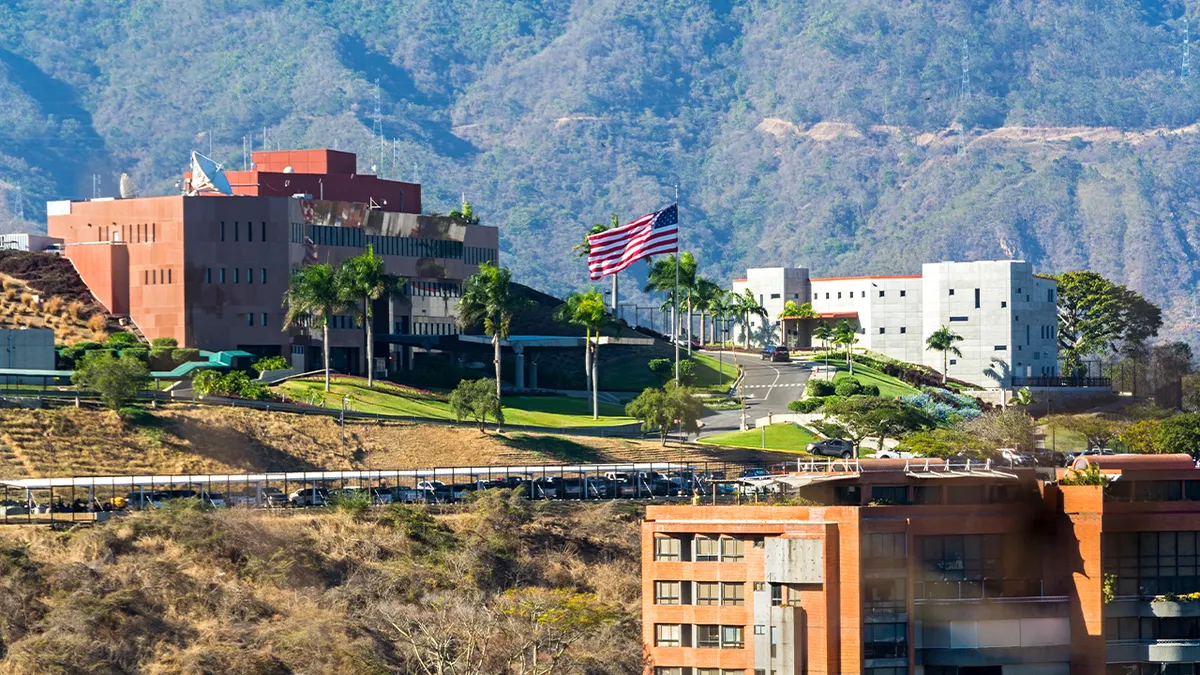
The United States has reopened its embassy in Venezuela, representing a notable step in restoring diplomatic relations between the two countries after a period of intense tensions. This action follows several months after a military operation aimed at ousting Venezuelan President Nicolás Maduro, who faces widespread criticism for his economic and social policies.
The reopening of the embassy is seen as a sign of a shift in the American strategy towards Venezuela, where relations had significantly deteriorated in recent years. The U.S. embassy was closed in 2019 after Washington recognized opposition leader Juan Guaidó as the interim president of Venezuela.
Details of the Event
The U.S. State Department announced the reopening of the embassy in Caracas, indicating that this step is part of efforts to enhance dialogue with the Venezuelan government. The department confirmed that the embassy will provide consular services to American citizens in Venezuela, in addition to promoting cooperation in the areas of human rights and economic development.
This move is expected to contribute to improving relations between the two countries, as the United States seeks to enhance stability in the region. American officials have noted that the reopening of the embassy comes after consultations with Washington's allies in Latin America.
Background & Context
Historically, relations between the United States and Venezuela have been tense, especially since Maduro took power in 2013. Washington has accused the Venezuelan government of human rights violations and implementing economic policies that have led to a severe humanitarian crisis in the country. In 2019, Venezuela witnessed a wave of protests against Maduro, prompting the United States to support the opposition.
Despite international pressure, Maduro has managed to remain in power, exacerbating the economic and social crises in the country. However, the reopening of the embassy may indicate a U.S. willingness to explore new options for dealing with the situation in Venezuela.
Impact & Consequences
The reopening of the embassy is a strategic move that could lead to significant changes in U.S. policy towards Venezuela. This step may open the door for new dialogue between Washington and Caracas, potentially contributing to easing tensions and improving humanitarian conditions in the country.
Nevertheless, significant challenges remain in the relationship between the two countries, as Maduro continues to hold power and faces both internal and external pressures. These developments could impact regional stability, especially amid the economic and political crises affecting other countries in Latin America.
Regional Significance
The U.S.-Venezuelan relations hold particular importance for the Arab region, as they may influence American policies towards other countries in Latin America. Additionally, the reopening of the embassy could reflect a shift in U.S. strategy regarding engagement with unstable political regimes, which may affect how Washington addresses similar issues in the Arab world.
In conclusion, the reopening of the U.S. embassy in Venezuela represents a significant step in rebuilding relations between the two countries and may pave the way for new dialogue that could help improve conditions in the country. However, the greatest challenge remains how to address the complex political situation in Venezuela and its impact on regional and international stability.