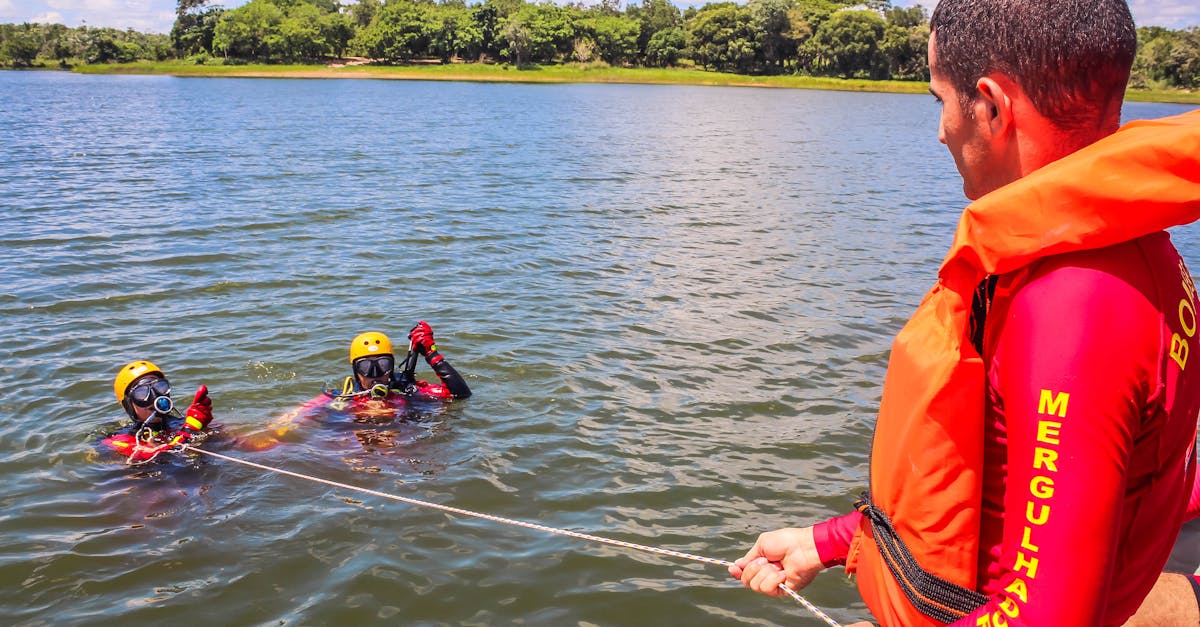
The United States has successfully rescued its second pilot trapped in Iran, executing a complex operation to ensure his return home. This operation is part of Washington's continuous efforts to protect its citizens in conflict zones.
The pilot, whose name has not been disclosed, had been detained in Iran for an extended period, raising significant concern within American circles. The operation was coordinated with multiple agencies, including intelligence and diplomatic entities, to guarantee the pilot's safety and his return home.
Details of the Operation
The operation involved several phases, starting with gathering intelligence on the pilot's location, leading up to the execution of the evacuation. The United States utilized advanced techniques to ensure that the operation went undetected by Iranian authorities.
This event is considered part of a broader strategy adopted by the United States to protect its citizens abroad, particularly in countries experiencing political tensions. The success of the operation reflects the U.S.'s capability to carry out complex operations in challenging environments.
Background & Context
Relations between the United States and Iran have been characterized by ongoing tension, with recent years witnessing numerous crises between the two parties. The detention of American citizens in Iran has become a common occurrence, prompting Washington to take firmer actions to safeguard its citizens.
In past years, the United States has conducted several similar rescue operations, underscoring its commitment to protecting its citizens abroad. These operations are often fraught with risks and require precise coordination among various agencies.
Impact & Consequences
The success of this operation may influence U.S.-Iranian relations, as it could be viewed as a demonstration of U.S. strength in facing challenges. It may also lead to heightened tensions between the two countries, especially if Iran perceives the operation as a violation of its sovereignty.
On the other hand, this operation could bolster the U.S. administration's standing domestically, showcasing its ability to protect its citizens abroad, which may affect American public opinion and increase government support.
Regional Significance
This operation holds particular significance for the Arab region, reflecting the ongoing tensions between major powers in the Middle East. It may also impact relations between Arab states and Iran, especially given the volatile political conditions in the region.
Ultimately, these events serve as a reminder of the importance of diplomacy and intelligence operations in maintaining national security and protecting citizens, necessitating proactive measures by states to ensure the safety of their nationals abroad.