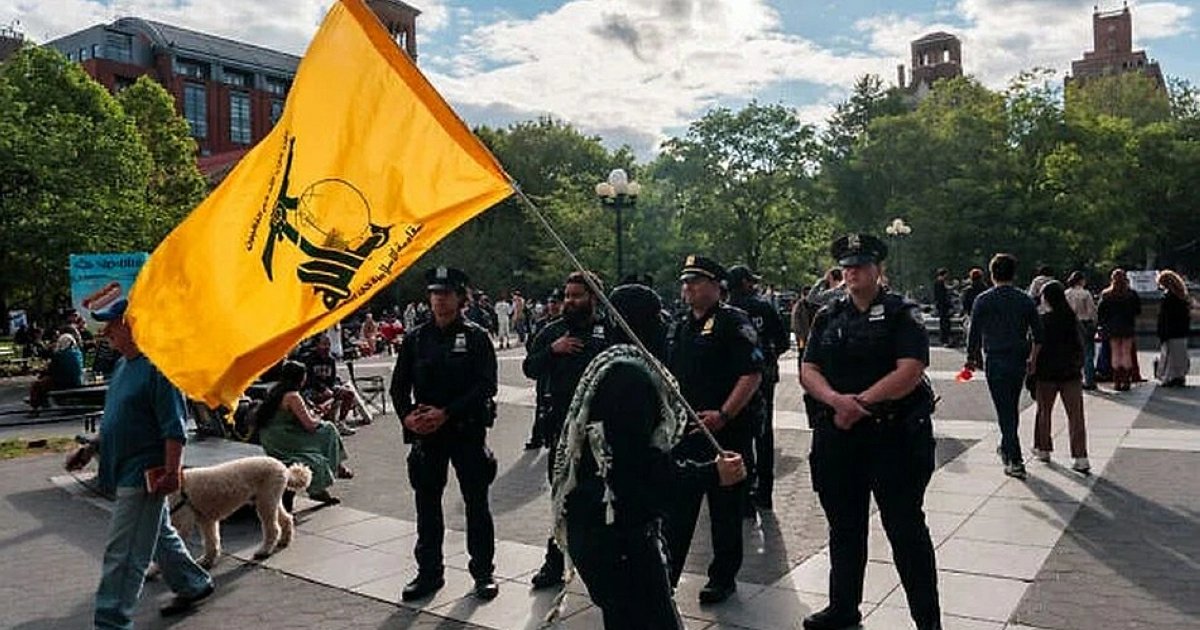
On Thursday, the United States imposed sanctions on nine individuals associated with Hezbollah, accusing them of obstructing the peace process in Lebanon. These sanctions come at a time when Israeli pressure on southern Lebanon continues, despite the ceasefire announced earlier.
The sanctions imposed by the US Treasury Department include members of Hezbollah, as well as Lebanese security officials, whom Washington accuses of enabling the party to undermine Lebanon's sovereignty. Treasury Secretary Scott Pisonet emphasized that Hezbollah must be completely disarmed.
Details of the Sanctions
The individuals sanctioned include Hezbollah MPs Ibrahim Mousawi, Hussein Haj Hassan, Hassan Fadlallah, and the head of the Executive Council Mohammad Abd al-Muttalib Fneesh. The sanctions also targeted officers in the Lebanese army, whom Washington accused of sharing critical intelligence with Hezbollah.
The United States also added the Iranian ambassador-designate to Lebanon, Mohammad Reza Shibani, to the sanctions list, declaring him a persona non grata and ordering him to leave the country. Sanctions were also imposed on other figures linked to the Amal Movement, Hezbollah's political ally.
Background & Context
These sanctions come at a time when Lebanon is experiencing military escalation from Israel, as Israeli forces continue to carry out raids on Lebanese territory, despite the ceasefire declared on April 17. Since the beginning of Israeli military operations, over 3,000 people have been killed and thousands injured, leading to the displacement of more than 1.6 million Lebanese.
Hezbollah, which has both a military wing and a political wing, enjoys broad support in Lebanon, with elected MPs in parliament. The party has strongly opposed direct talks between Lebanon and Israel, while Washington and its allies call for the complete disarmament of the party.
Impact & Consequences
The US sanctions represent an escalation in pressure on Hezbollah and may exacerbate the situation in Lebanon. The party views these measures as an attempt to support Israel following its failure to achieve its military and political objectives in Lebanon. The sanctions are also seen as an effort to intimidate the Lebanese people and support Israeli policies.
At the same time, these sanctions may affect Lebanese-American relations, as Hezbollah has called on the Lebanese government to defend the state’s security and military institutions. The Amal Movement, led by Nabih Berri, also criticized the sanctions, deeming them unacceptable and unjustified.
Regional Significance
These developments highlight the ongoing tensions in the region, with Lebanon remaining a focal point for regional conflicts. The US sanctions could lead to increased polarization among political forces in Lebanon, which may negatively impact stability in the country.
Ultimately, the situation in Lebanon remains complex, with political and military dimensions intertwining, necessitating close monitoring by the international community.