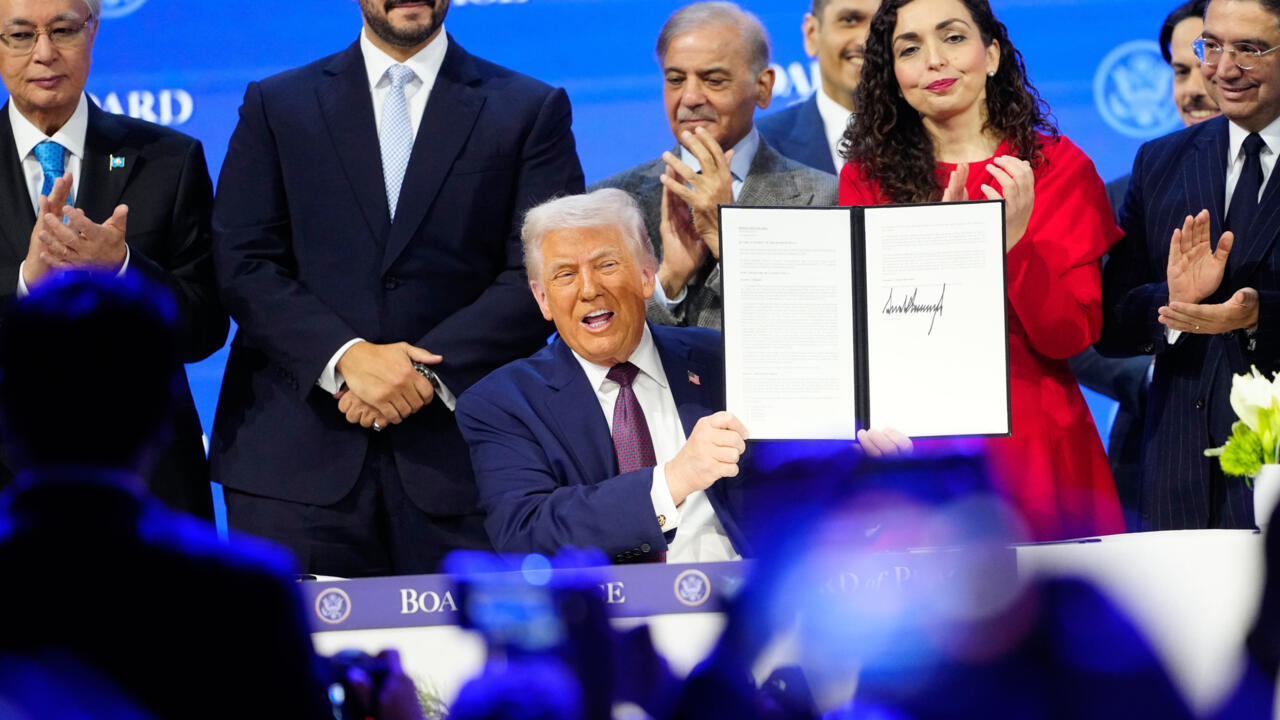
The U.S. Treasury revealed on Thursday the issuance of new dollar bills that will include the signature of President Donald Trump, a groundbreaking step for a sitting American president. This move comes in conjunction with the 250th anniversary of the founding of the United States, sparking significant political debate regarding the traditions of American currency.
Typically, U.S. currency bears the signatures of the U.S. Treasurer and the Secretary of the Treasury, but the new design will feature the signatures of Trump and the current Secretary of the Treasury, Scott P. Amundson. Amundson stated in a release, "Under President Trump's leadership, we are on a path towards unprecedented economic growth, lasting dominance of the dollar, and financial strength and stability."
Details of the Announcement
This initiative is part of Trump's efforts to break away from long-standing practices, as he seeks to leave his mark on American currency. Amundson noted that issuing bills with Trump's signature is "a powerful way to acknowledge the historic achievements of our great nation." The new currency is set to be issued on the 250th anniversary of the country, which falls on July 4, 1776.
A commemorative gold coin featuring Trump's image has also been announced, following approval from an advisory committee personally selected by Trump. Although this commemorative coin does not carry monetary value, similar coins issued by the U.S. Mint could trade for over $1,000.
Background & Context
Historically, sitting U.S. presidents have not been allowed to appear on American currency, making this move controversial. Many Democrats have argued that this decision contradicts federal law, which prohibits any living president from appearing on U.S. currency. This decision also reflects the increasing political tensions in the United States, as Trump seeks to bolster his popularity among his supporters.
This step is part of Trump's strategy to enhance his image as an economic leader, aiming to highlight his achievements in economic growth and global market dominance. Additionally, this move comes at a sensitive time as the U.S. presidential elections approach, increasing the significance of these decisions within the context of campaign strategies.
Impact & Consequences
This initiative is expected to elicit mixed reactions in political and public circles. Some view this move as an attempt by Trump to secure his political legacy, while others see it as a violation of the traditional norms governing U.S. currency. This decision may also affect relations between the two major parties in the United States, potentially exacerbating political divisions.
Economically, this move could influence the value of the U.S. dollar in global markets, as Trump aims to strengthen the dollar's position as a leading currency. However, negative reactions from certain political circles may undermine investor confidence in the U.S. economy.
Regional Significance
This decision holds particular importance for the Arab region, where many Arab countries are affected by U.S. economic policies. This move may lead to increased interest in national currencies among Arab nations, as some seek to enhance their economic independence from American influences. Furthermore, this decision could impact economic relations between the United States and Arab countries, potentially increasing tensions at times.
In conclusion, the issuance of new dollar bills featuring Trump's signature represents an unconventional step in the history of American currency, raising questions about its impact on politics and the economy in the United States and beyond.