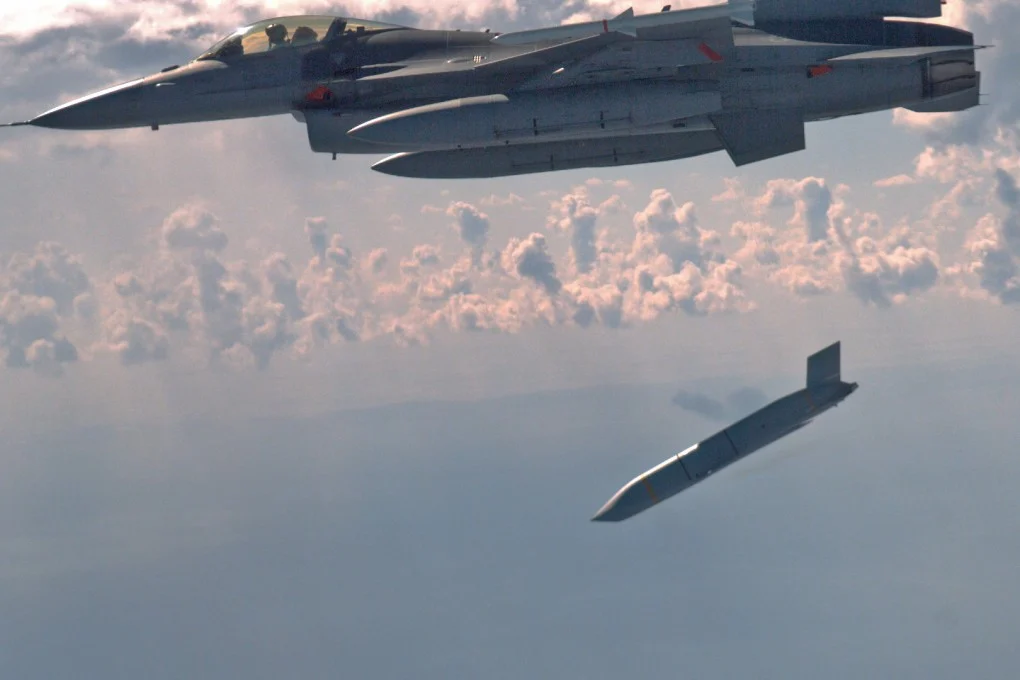
The United States announced it will withdraw most of its stock of advanced JASSM-ER cruise missiles to bolster military efforts against Iran. This decision comes as part of an escalation of the US military campaign in the region, with these missiles being pulled from storage designated for the Pacific, reflecting the growing tensions in relations between Washington and Tehran.
According to informed sources, the order to transfer these missiles, each costing approximately $1.5 million, was issued at the end of March. The missiles are expected to be moved from US facilities elsewhere, including the continental United States, to bases of the US Central Command or to a base in Fairford, United Kingdom.
Details of the Event
The JASSM-ER missiles are considered advanced weaponry, known for their ability to strike distant targets with high precision, making them a strategic tool in any military campaign. This move comes at a sensitive time as concerns grow over Iranian nuclear activities and its interventions in the affairs of regional countries.
The US military maneuvers are a response to escalating tensions in the Middle East, where the United States seeks to enhance its military presence to counter the challenges posed by Iran. This decision is part of a broader strategy aimed at deterring Iranian activities deemed a threat to regional and international security.
Background & Context
Historically, relations between the United States and Iran have seen increasing tensions since the Iranian revolution in 1979. Since then, the US has taken several military and economic steps against Iran, including imposing strict economic sanctions. In recent years, these tensions have notably escalated, especially following the US withdrawal from the Iranian nuclear deal in 2018.
The JASSM-ER missiles are part of the US arsenal developed to enhance military capabilities in the face of global threats. With rising tensions in the region, it has become essential for the United States to take proactive steps to ensure the security of its allies in the Middle East.
Impact & Consequences
Analysts expect this move to escalate tensions between the United States and Iran, as Tehran may respond to these maneuvers by increasing its military activities or supporting armed groups in the region. Additionally, this step could affect US relations with its allies in the region, as some may feel concerned about the rising conflict.
Moreover, relocating these missiles to bases close to Iran could increase the likelihood of direct military clashes, threatening stability in the region. This move may also strengthen Iran's position in future negotiations regarding its nuclear program.
Regional Significance
Neighboring Arab countries, such as Iraq and Saudi Arabia, are on high alert due to these developments. Increased military tensions could have negative effects on regional security, prompting Arab nations to take precautionary measures to protect their interests.
Ultimately, the situation in the Middle East remains complex, with political and military interests intertwined. As escalation continues, it will be important to monitor reactions from all parties involved, including Arab nations that may be directly affected by these developments.