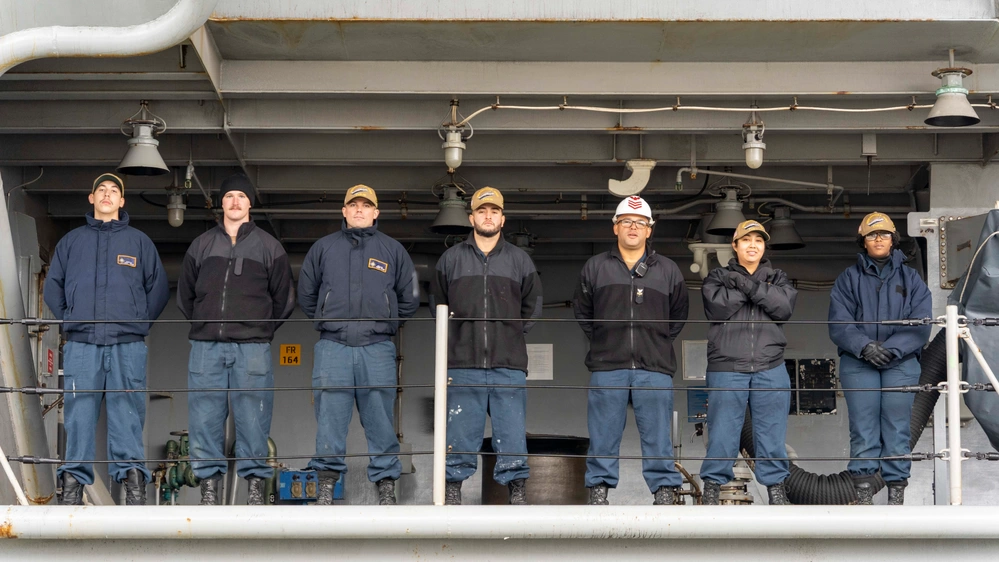
The USS Gerald Ford, the largest aircraft carrier in the world, has left Croatia after spending five days in the port city of Split. This departure signifies the readiness of the U.S. Navy to confront the increasing challenges in the Middle East, particularly concerning Iran.
Commissioned in 2017, the USS Gerald Ford represents the latest generation of aircraft carriers and is equipped with advanced technologies that enhance its combat capabilities. Deployed in the Mediterranean Sea, it is part of U.S. efforts to bolster security and stability in the region.
Details of the Departure
The U.S. Navy announced the carrier's departure on Thursday, shortly after its stop in Croatia. This stop followed a series of military operations conducted by the carrier in the area, which included strikes against Iranian targets. The carrier is equipped with a fleet of advanced fighter jets, making it a strategic asset in any potential conflict.
During its stay in Croatia, the carrier was warmly welcomed by local authorities, with tours organized for U.S. soldiers in the city. This military cooperation between the United States and Croatia reflects the close ties between the two nations and strengthens the presence of U.S. forces in Europe.
Context and Background
This move comes at a sensitive time as tensions between the United States and Iran continue to escalate. Since the U.S. withdrawal from the Iranian nuclear deal in 2018, hostilities between the two sides have intensified, leading to increased U.S. military activity in the region. The USS Gerald Ford is part of the U.S. strategy to respond to any potential threats from Iran, which includes its support for armed groups in Iraq and Syria.
Furthermore, the carrier's presence in the Mediterranean underscores the U.S. commitment to protecting its allies in the region, including Israel and Gulf states. This military presence enhances the United States' ability to respond swiftly in the event of any escalation.
Implications and Effects
The return of the USS Gerald Ford to the region sends a clear message to Iran that the United States is prepared to defend its interests and those of its allies. This could heighten tensions in the region, especially if Iran reacts militarily. Additionally, the carrier's presence may impact the stability of oil markets, as any escalation in the region could lead to rising oil prices.
Moreover, this move could lead to increased military cooperation between the United States and its allies in the region, strengthening military alliances against common threats. Such cooperation may include joint military exercises and enhanced intelligence sharing.
Impact on the Arab Region
These developments are of significant importance to Arab countries, as any military escalation in the region could affect security and stability in neighboring states. Gulf countries, in particular, are closely monitoring these military movements, as any escalation could pose direct threats to their security.
These events may also influence relations between Arab states and Iran, as rising tensions could exacerbate divisions in the region. It is crucial for Arab nations to remain vigilant regarding these developments and to work on enhancing their defensive capabilities.
In conclusion, all eyes remain on the movements of the USS Gerald Ford, as its presence in the Mediterranean could have far-reaching implications for regional and international security.