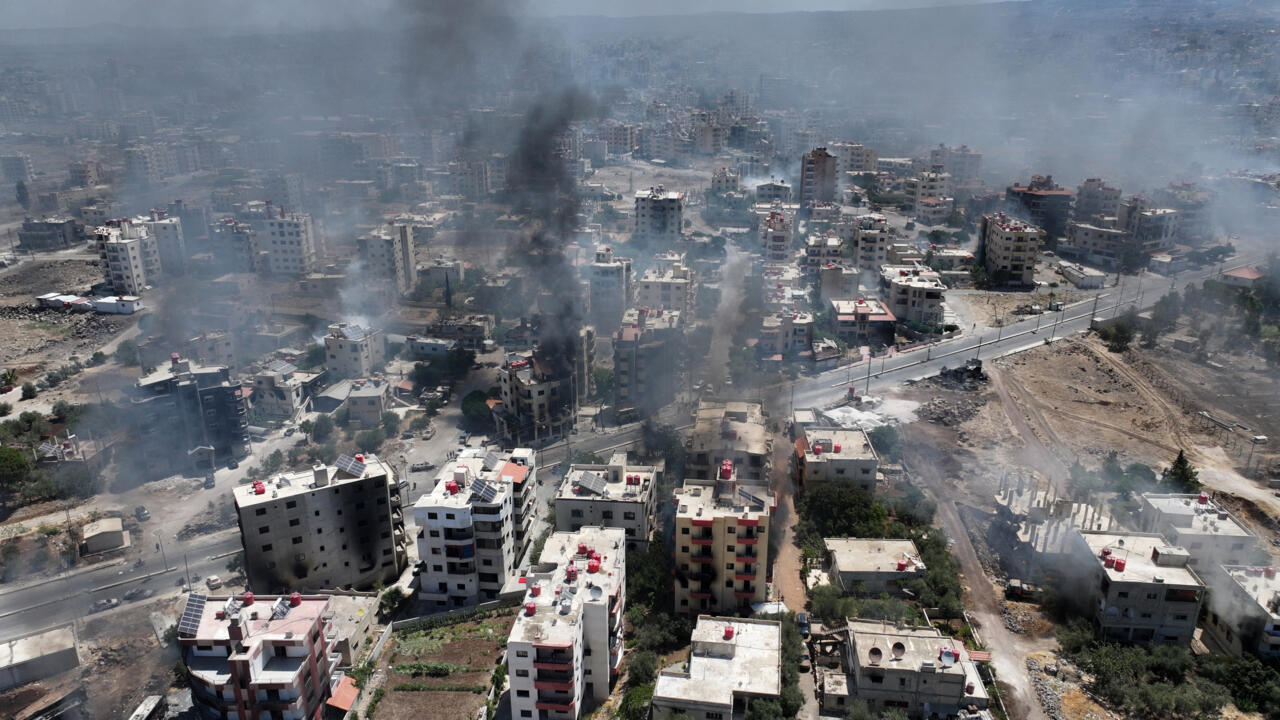
The United Nations Commission of Inquiry on Syria announced that the violence witnessed in the predominantly Druze province of Sweida in southern Syria during July 2025 resulted in the deaths of 1760 individuals. The commission confirmed that these violations could amount to war crimes and crimes against humanity, necessitating comprehensive and effective investigations.
Commissioner Fionnuala Ni Aolain stated in the commission's report that "the serious violations committed by members of the government forces and Druze armed groups require extensive investigations to ensure justice and prevent the recurrence of these crimes."
Details of the Incident
During the first week of July 2025, Sweida experienced violent clashes between Druze militants and tribal fighters, leading to the intervention of government forces and armed groups from other tribes. The official investigation committee, established by the authorities, documented the deaths of 1760 individuals and compiled a list of suspects from the Ministries of Defense and Interior, Druze factions, and civilians.
The committee also reported that it documented executions, torture, sexual violence, and arson of homes, indicating that these violations could amount to war crimes, and if the necessary elements are established through further investigations, they may be considered crimes against humanity.
Background & Context
The roots of the violence in Sweida stem from increasing sectarian tensions, where the region has witnessed three devastating waves of violence, two of which targeted Druze civilians, while the third targeted Bedouin civilians. The report relied on 409 direct testimonies from survivors and witnesses, in addition to field visits to the most affected areas.
After the Syrian government granted permission for the commission members to enter, investigators found widespread destruction in Druze villages, where tens of thousands of homes, shops, and places of worship were burned.
Impact & Consequences
The violence has significantly affected stability in Sweida, with approximately 155 thousand people, mostly from the burned Druze villages, unable to return to their homes. Nearly all Bedouin residents remain forcibly displaced, further complicating the humanitarian situation in the region.
In a related context, Israel has launched strikes on government forces in Sweida, justifying its intervention as a means to protect the Druze minority. This intervention has exacerbated the situation and increased divisions within the Druze community, leading to heightened online hate speech and retaliatory attacks.
Regional Significance
The events in Sweida exemplify the increasing sectarian tensions in Syria, which may impact regional stability. The ongoing conflict in the country reflects the significant challenges faced by local communities in the absence of justice and reconciliation.
In conclusion, the chair of the commission, Paulo Sergio Pinheiro, warned that "the scale and brutality of the violence and documented violations in Sweida are extremely concerning," emphasizing the need for extensive efforts to hold all perpetrators accountable to rebuild trust among affected communities.