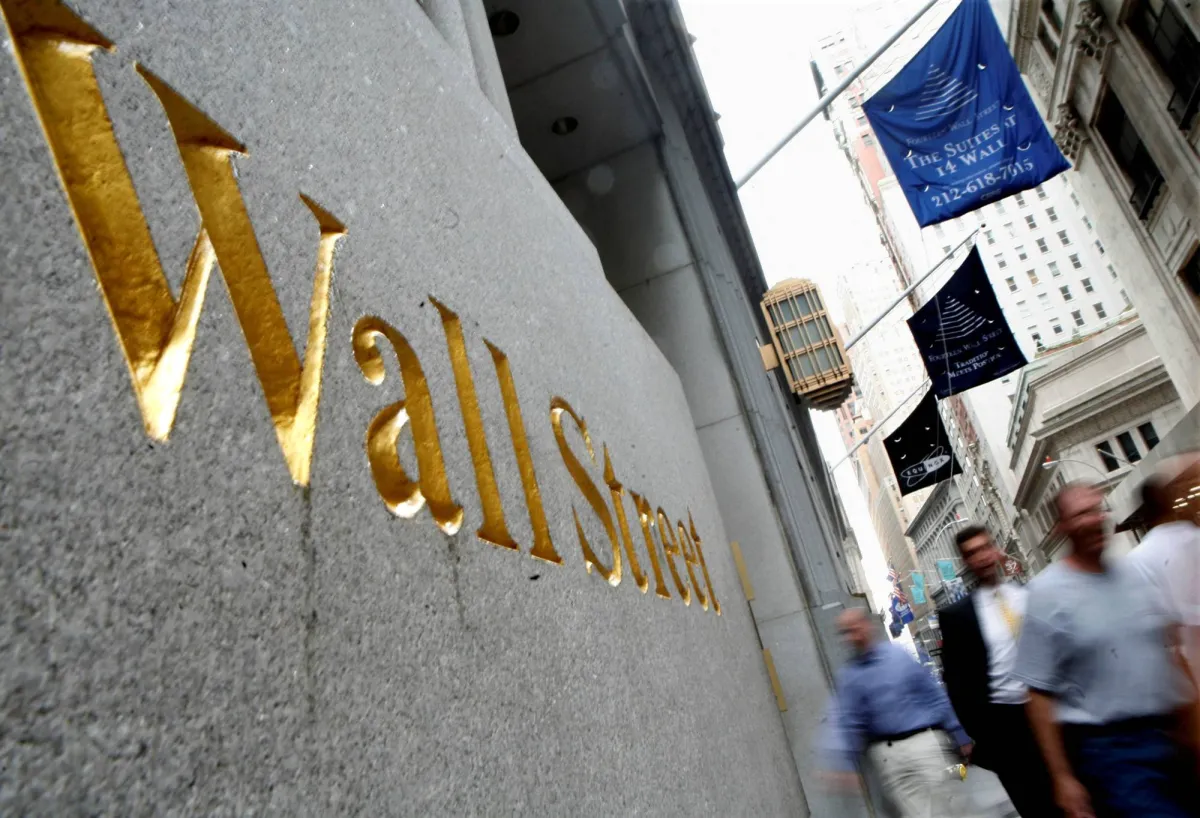
Wall Street's major traders have significantly increased their holdings of US Treasury bonds, reaching the highest levels since the global financial crisis. This surge reflects the former President Donald Trump's administration's shift towards reducing regulatory constraints, prompting banks to return robustly to the $31 trillion debt market.
According to calculations by the Financial Times based on data from the New York Federal Reserve, the average net holdings of Treasury bonds among primary dealers, which are the major banks that underwrite government debt, have risen to about $550 billion this year, compared to less than $400 billion in 2025. These holdings represent approximately 2 percent of the total bond market, marking the highest percentage recorded since 2007.
Event Details
Analysts, investors, and executives in the financial sector have confirmed that the easing of US capital rules encourages major banks to facilitate more bond trading. This trend helps banks regain some of the status they lost to other financial groups following the 2008 crisis. In this context, Ajay Rajadhyaksha, head of global research at Barclays, stated, "Banks today are playing a larger role as intermediaries thanks to changes in regulations, as well as a shift in their supervisory mindset."
US regulators approved late last year plans to ease what is known as the Supplemental Leverage Ratio (SLR), a rule that determines how much capital the largest US banks must hold against their total assets. These efforts, led by Michelle Bowman, the Federal Reserve's Vice Chair for Bank Supervision, received widespread support from Wall Street executives who have long insisted that strict capital rules pushed banks away from acting as market makers.
Background & Context
Before the financial crisis, major banks were the cornerstone of the bond market, but since then, hedge funds and specialized trading firms have taken on a larger role. The expansion of these entities as buyers and market makers has been crucial, especially as tax cuts and massive spending programs pushed the federal deficit to 6 percent of GDP. However, these new entrants have injected unprecedented amounts of "leverage" into the market, increasing the risk of dysfunction during panicked trading moments, as seen in 2020 when the Federal Reserve had to intervene.
Yeesha Yadav, a professor at Vanderbilt Law School, warned that easing restrictions does not guarantee a permanent return of banks, stating, "We are rolling back balance sheet rules, but there is no guarantee that this will succeed permanently." Jay Barry, head of global pricing strategy at JP Morgan, agreed, saying, "Primary dealers will not play the same role they did before 2008."
Impact & Consequences
Reforming the SLR is part of a broader US trend to roll back regulations, which has helped boost the profits of Wall Street giants and was one of the drivers behind record levels of stock buybacks in the first quarter of this year. Research from Coalition Greenwich indicates that the six largest systemically important banks were holding significant excess capital until the end of 2025, averaging 2.4 percent, in anticipation of strict Basel III rules. With recent regulatory adjustments, experts believe the justification for holding these "massive excess buffers" has evaporated, opening the door for further expansion in government debt trading.
Stocks remained stable as investors assessed geopolitical disruptions in the Middle East, while the yen rose after the Bank of Japan kept interest rates steady. However, the split in voting highlighted concerns about inflation stemming from the war. These dynamics suggest that markets will remain under continuous pressure due to geopolitical tensions.
Regional Significance
The Arab region is directly affected by these developments, as the stability of global financial markets significantly impacts the economies of Arab countries. The increase in US bond holdings may lead to greater foreign investments in the region, boosting economic growth. However, ongoing geopolitical tensions could hinder this growth and negatively affect investments.
In conclusion, these developments in US bond holdings reflect significant changes in financial policies, which may impact global markets in general and the Arab region in particular.