The United Arab Emirates is experiencing its largest economic shock in decades, as the Israeli-American war on Iran has led to a sharp decline in its financial markets. More than 18,400 flights have been canceled, and the markets have suffered massive losses exceeding $120 billion in market value over the past month.
Stock indices have been significantly affected, with the Dubai index dropping by 16% since the war began on February 28, increasing the pressures on the UAE economy, which heavily relies on tourism and real estate.
Details of the Event
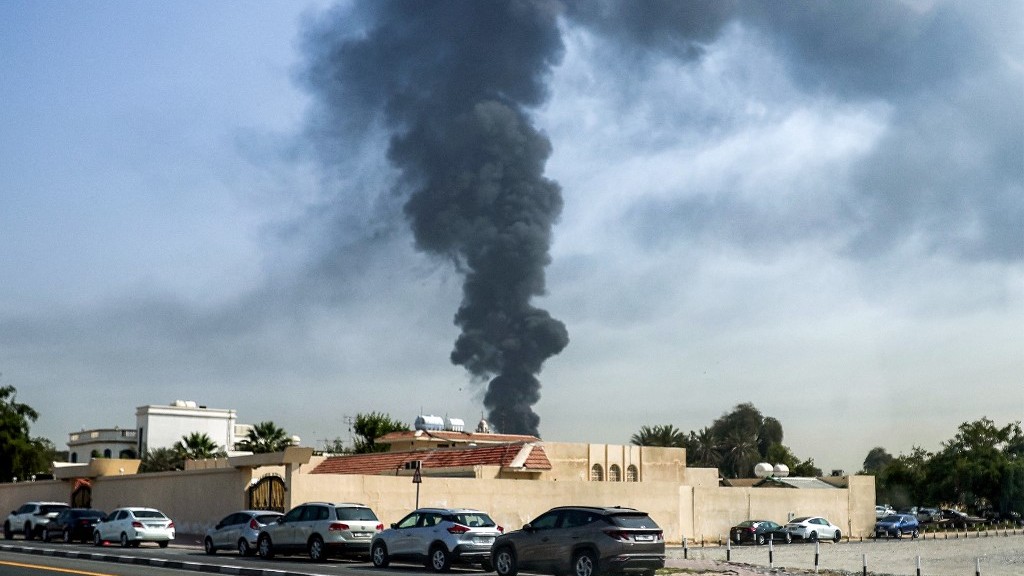
Amid escalating tensions, the UAE has faced several missile attacks from Iran, which has launched 398 ballistic missiles and 1,872 drones, making it the most targeted country after Israel. Although most of these attacks were intercepted, debris caused damage in vital areas such as the Burj Al Arab and Dubai Airport.
In an attempt to mitigate the effects of these crises, both the UAE President Sheikh Mohammed bin Zayed Al Nahyan and Dubai Crown Prince Sheikh Hamdan bin Mohammed bin Rashid Al Maktoum conducted promotional tours in Dubai Mall, but analyses indicate that these efforts may not be enough to save the UAE economy under current circumstances.
Background & Context
Over the past two decades, the UAE has successfully built an economic model based on tourism, real estate, and finance, making it a preferred destination for investors and tourists. However, this model is now under pressure, as financial markets in the UAE have not benefited from rising oil prices as seen in Saudi Arabia and Oman.
According to reports, the real estate market in Dubai, described by Savills as one of the most dynamic markets in the world, has seen a sharp decline, with the real estate index dropping by 16% and transactions decreasing by 37% compared to last year.
Impact & Consequences
City predicts that the population growth rate in Dubai will drop to 1% this year, significantly lower than the previous rate of 4%. Additionally, the aviation market, which is a pillar of the UAE economy, has come under severe pressure, with Dubai International Airport closing on March 1 after sustaining damage.
Hotel bookings have plummeted significantly, with reports indicating a sharp decline in prices, while some expatriates have paid up to $250,000 to secure private evacuation flights.
Regional Significance
The UAE is considered a model of stability in a troubled region, but the current war threatens this model. With increasing pressures on the economy, there are concerns that these conditions could lead to a reduction in foreign investments and tourism, negatively impacting other countries in the region.
In light of these circumstances, all eyes are on how the UAE will handle these crises and whether it will be able to regain its status as a preferred destination for investors and tourists.