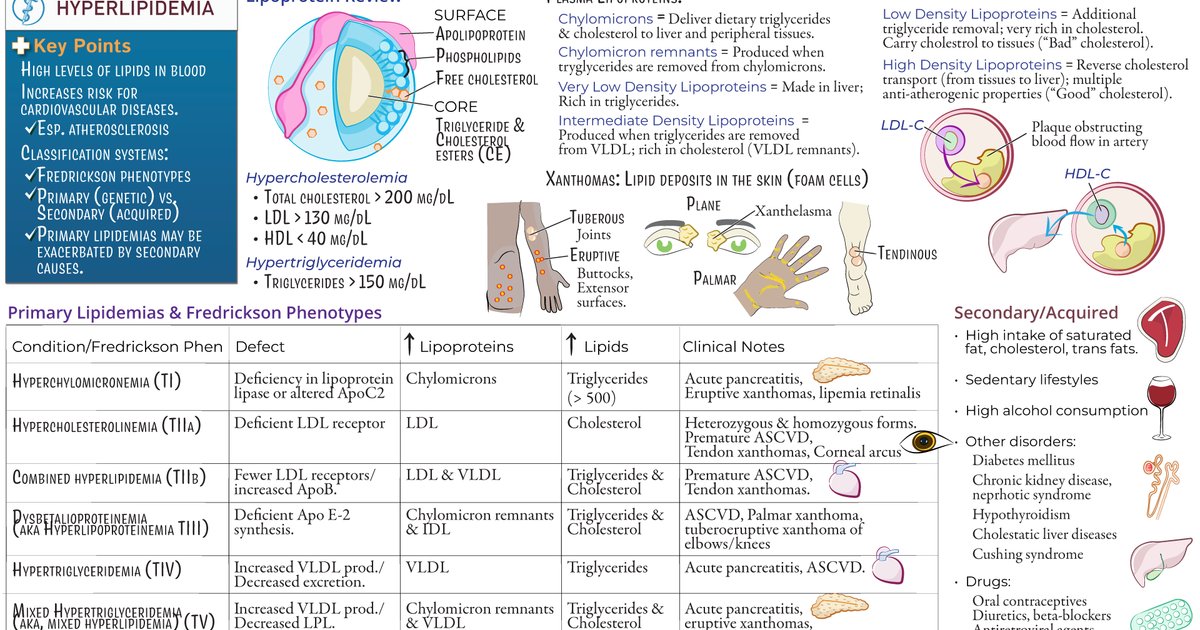
Saudi Medical Center has issued important warnings regarding high blood lipids, emphasizing that this health condition can lead to serious complications such as heart and vascular diseases. The center pointed out that there are several factors contributing to elevated lipid levels in the blood, necessitating preventive measures.
High blood lipids, or hyperlipidemia, is characterized by elevated levels of fats in the blood, particularly cholesterol and triglycerides. Research indicates that this condition may result from multiple factors, including genetic predispositions, an unbalanced diet, and a lack of physical activity.
Details of the Warning
In its statement, Saudi Medical Center confirmed that hyperlipidemia is a common health issue that can lead to severe complications if not managed appropriately. It clarified that individuals suffering from this condition may be at a higher risk of developing heart diseases, strokes, and kidney diseases.
Reports have also indicated that high blood lipids can significantly impact quality of life, causing fatigue, decreased concentration, and weight gain. Therefore, it is crucial for individuals to be aware of the risk factors associated with this condition.
Background & Context
Cardiovascular diseases are among the leading causes of death in many countries, including Saudi Arabia. According to statistics, a significant portion of the population suffers from health issues related to high blood lipids. This is attributed to modern lifestyles characterized by a lack of physical activity and increased consumption of fatty and sugary foods.
Historically, Arab communities relied on healthy dietary patterns, but with economic and social changes, there has been a shift towards fast and processed foods, contributing to rising obesity rates and elevated lipid levels in the blood.
Impact & Consequences
Studies indicate that high blood lipids can lead to the formation of fatty deposits in the arteries, increasing the risk of heart attacks and strokes. Additionally, this condition may affect liver functions, leading to further health issues.
Preventing hyperlipidemia is vital, achievable through a balanced diet, regular exercise, and avoiding risk factors such as smoking and excessive alcohol consumption.
Regional Significance
Many Arab countries face similar health challenges, with rising obesity rates and elevated blood lipid levels. This requires a collective response from governments and communities to promote health awareness and provide educational programs aimed at improving lifestyle habits.
In this context, Arab nations must work on developing effective health strategies that include nutritional education, promoting physical activity, and providing healthy environments that encourage exercise.
In conclusion, high blood lipids represent a health issue that requires attention, as it can lead to serious complications if not addressed appropriately. Therefore, individuals should take preventive steps to maintain their health and reduce the risks associated with this condition.