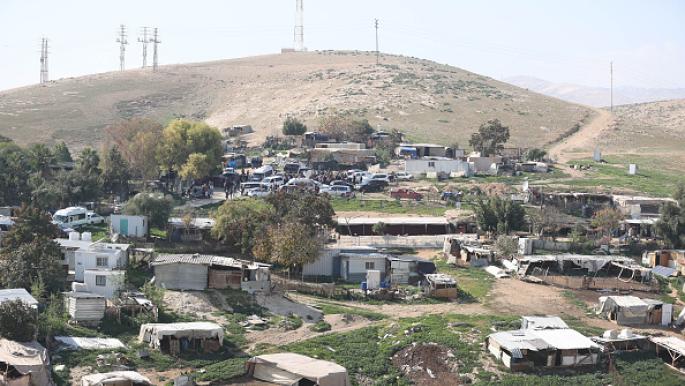
The Jerusalem Governorate warned today, Tuesday, about the colonial plan No. (1627/7), known as 'Shami Neighborhood', indicating that it represents a coercive tool aimed at re-engineering the Bedouin presence in the Jerusalem wilderness. This warning comes at a time when settlement plans aimed at displacing indigenous populations from their lands are on the rise.
The revealed plan includes the establishment of a new residential neighborhood on lands historically considered part of the Jerusalem wilderness, raising significant concerns among the Bedouin communities living in that area. The governorate has deemed this plan as an attempt to empty the region of its original inhabitants, threatening the cultural and social identity of the Bedouins.
Details of the Plan
The colonial plan 'Shami Neighborhood' includes the construction of new residential units, in addition to commercial and service facilities, which will lead to a demographic change in the area. Officials in the Jerusalem Governorate have pointed out that this project is part of a series of settlement projects targeting the areas surrounding Jerusalem, aimed at reinforcing Israeli control over Palestinian lands.
It has also been emphasized that this plan contradicts international laws prohibiting settlement in occupied territories and constitutes a violation of the rights of Palestinians to return to their lands. The governorate has called on the international community to intervene to halt these settlement policies that threaten the existence of Palestinians in the Jerusalem wilderness.
Background & Context
Historically, the Jerusalem wilderness has witnessed numerous attempts at displacement and demographic change, as Israeli authorities seek to diminish the Bedouin presence in the area. Several settlement projects have been implemented in recent years, exacerbating the humanitarian conditions for local populations.
The wilderness is considered a region rich in cultural and historical heritage, where many Bedouin families rely on herding and agriculture. However, settlement plans threaten this traditional way of life, placing pressure on local communities.
Impact & Consequences
If the 'Shami Neighborhood' plan is implemented, it will exacerbate the humanitarian conditions for Bedouin residents, as they will lose their lands and natural resources. Additionally, this plan may lead to increased tensions between Palestinians and Israeli authorities, which could negatively impact security and stability in the region.
Moreover, the implementation of this plan could pave the way for further settlement projects, threatening the future of Palestinians in the Jerusalem wilderness and complicating the Israeli-Palestinian conflict.
Regional Significance
This plan represents part of a broader policy aimed at enhancing Israeli settlement in Palestinian territories, affecting relations between Arab countries and Israel. This issue has raised concerns among many Arab nations that view these policies as a threat to security and stability in the region.
Furthermore, the continuation of these settlement policies could exacerbate humanitarian conditions in Palestinian territories, necessitating Arab and international action to stop these violations and protect Palestinian rights.