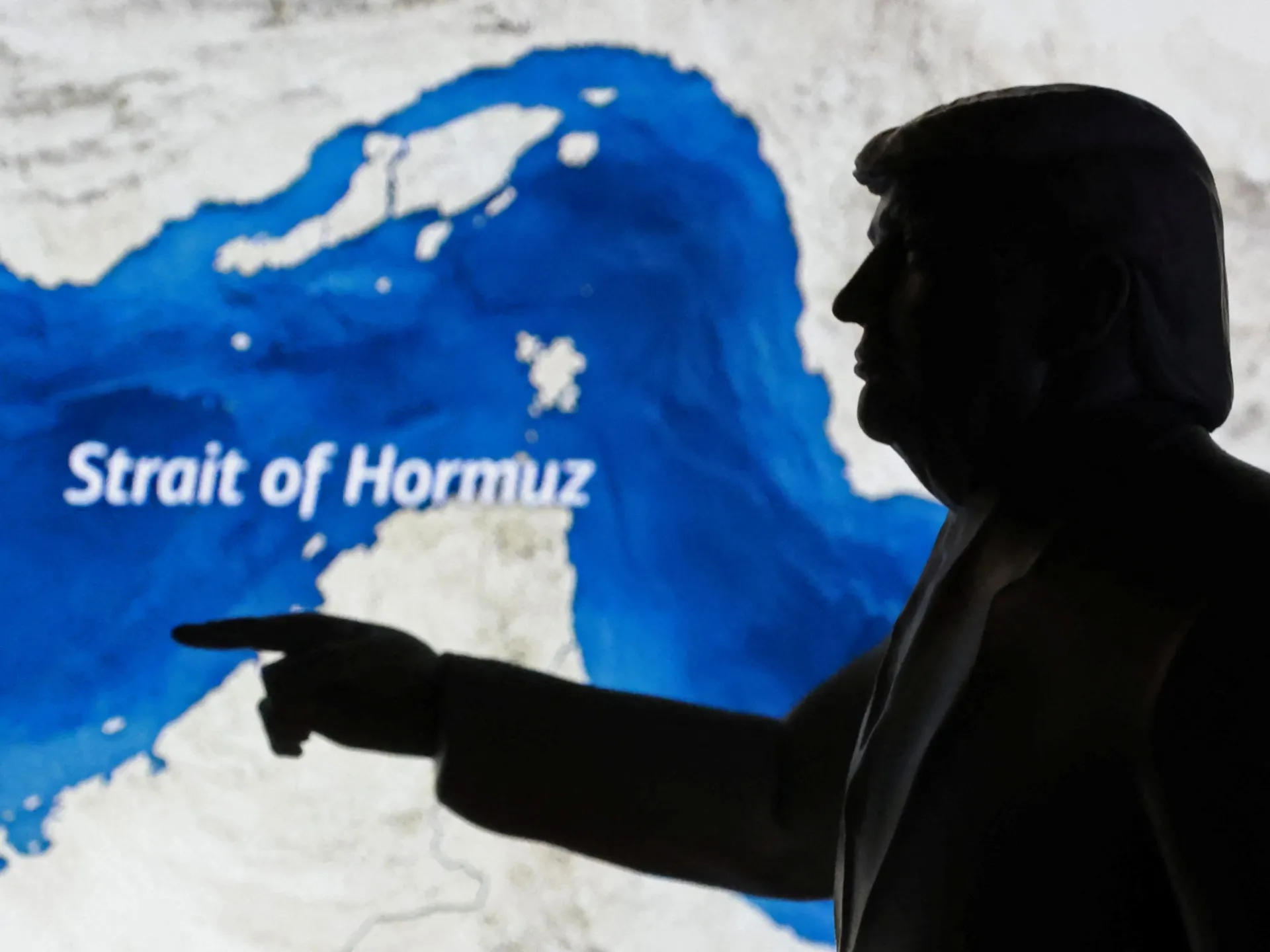
Jim Townsend, former Deputy Assistant Secretary of Defense, has warned that any potential ground operation by the United States inside Iran would entail substantial costs and extensive complications. He pointed out that achieving declared objectives, such as seizing enriched uranium or controlling Khark Island, will not be easy.
In an interview with Al Jazeera Mubasher, Townsend confirmed that former President Donald Trump may seek to keep all options open in his upcoming speech, potentially leaving the opening of the Strait of Hormuz to Gulf nations and the international coalition rather than engaging directly. He also noted the arrival of some US troops in the region, including elements from the 82nd Airborne Division and Marines via sea, with additional units arriving subsequently.
Details of the Current Situation
The current conflict between the United States and Israel on one side and Iran on the other is characterized by a disparity in power. While most of Iran's military capabilities have been destroyed, Iran still possesses asymmetric advantages, most notably the ability to threaten the Strait of Hormuz. This makes any ground or maritime escalation fraught with risks, according to Townsend.
The former US official emphasized that ground operations, regardless of their nature, will impose high costs on both sides and may ultimately lead to a search for political solutions or a ceasefire. He stressed that Trump's declaration of achieving his objectives would be seen as a personal and political victory, even if the Iranian regime remains intact and may rebuild its military capabilities later.
Background & Context
Tensions between the United States and Iran have been ongoing for a long time, with Washington accusing Tehran of developing nuclear and missile programs that pose a threat to regional security. Since February 28, the United States and Israel have been waging a war against Iran under the pretext of eliminating what they describe as the threat posed by its nuclear and missile programs.
In response, Tehran has retaliated by launching strikes against Israel and targeting what it describes as US bases and interests in the region. This dynamic reflects the escalating tensions in the Middle East, which is experiencing radical shifts in the balance of power.
Impact & Consequences
Analyses predict that any US ground operation in Iran would lead to a significant escalation in the conflict, which could negatively impact regional stability. The human and material costs would be high, potentially affecting American public opinion and increasing pressure on the US administration.
Moreover, these operations could enhance Iran's position in the region, portraying it as a capable power able to confront military challenges. This may encourage Iran to continue developing its military programs, further complicating the security situation in the Middle East.
Regional Significance
Neighboring Arab countries, such as Saudi Arabia and the UAE, are among the most affected by the escalating tensions between the United States and Iran. These nations fear the rise of Iranian activities in the region, which could threaten their security and stability.
Additionally, any military escalation could lead to an influx of more refugees into Arab countries, increasing the economic and social burdens on these nations. At the same time, there may be a growing need to strengthen regional alliances to address the increasing security challenges.
In conclusion, the situation in Iran remains a focal point for the world, with rising concerns about the repercussions of any potential US military intervention. The challenges facing the United States in achieving its objectives in the region remain complex, necessitating deep consideration of the available options.