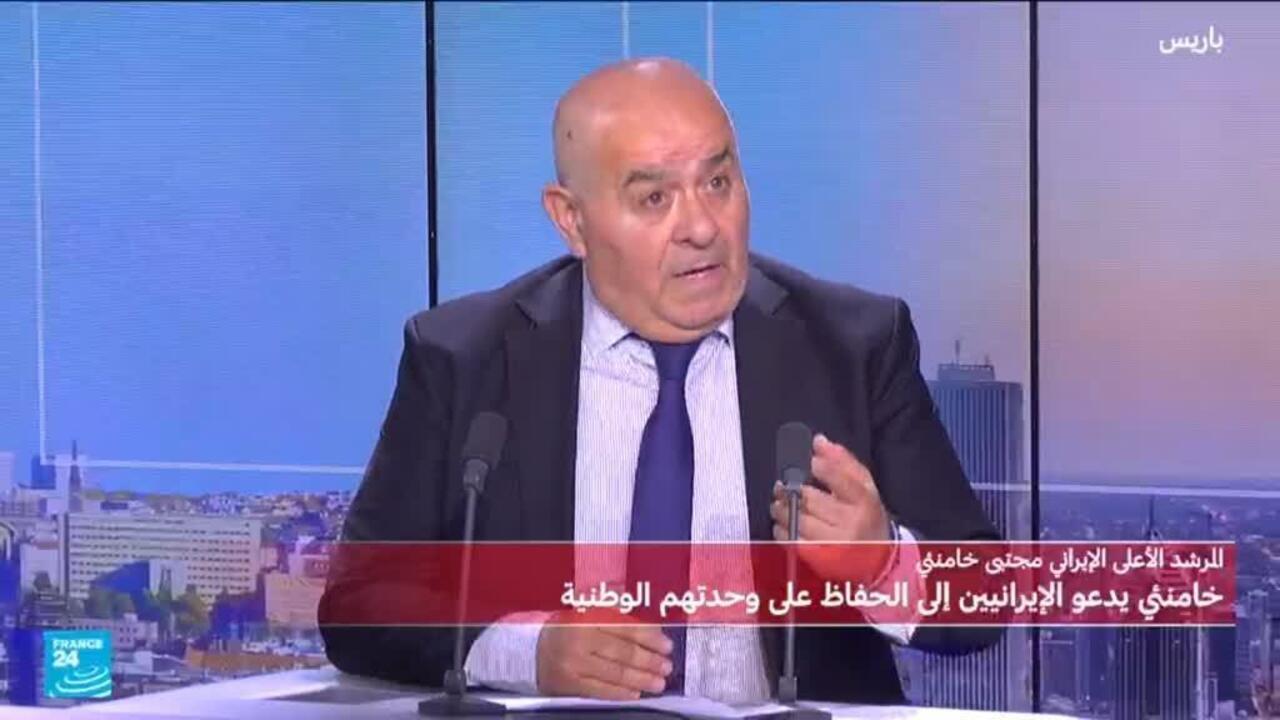
Iran's Supreme Leader Ali Khamenei has cautioned against the dangers of internal division, highlighting the necessity of unity in the current circumstances the country faces. This message arrives during a sensitive period, where extensive discussions are taking place within Iran regarding the costs of the recent war and its effects on both domestic and foreign situations.
Iran is acutely aware that any agreements concerning Lebanon extend beyond the Lebanese arena, as this issue is tied to a complex web of regional balances that stretch from the Arabian Gulf to the eastern Mediterranean. Therefore, any attempt to separate the Lebanese file from the U.S.-Iranian negotiations is seen as a reduction of Tehran's ability to leverage its regional influence.
Khamenei's Statements and Their Timing
Khamenei's remarks come at a time when pressures on Iran are mounting due to multiple crises it faces, including tensions with the United States and its allies. He pointed out that internal division could exacerbate these crises and weaken Iran's position in regional negotiations.
Furthermore, Khamenei added that unity among various political factions in Iran is essential to confront external challenges. These statements coincided with calls from some political figures in the country to unify ranks in the face of potential threats.
Background & Context
Historically, Iran has experienced periods of internal division, particularly during political and economic crises. Such divisions have led to a weakened ability to make strategic decisions in a timely manner. In recent years, concerns have grown that internal crises could erode Iran's influence in the region.
The Iranian-Lebanese relationship is a fundamental part of Iran's strategy in the Middle East, where Tehran seeks to bolster its influence by supporting its allies in Lebanon, such as Hezbollah. Consequently, any changes in these relationships could significantly impact the regional situation.
Impact & Consequences
Khamenei's calls for unity may strengthen the Iranian internal front, but they could also face resistance from some factions that believe radical reforms are necessary. At the same time, this message may influence how regional and international powers engage with Iran in the future.
If pressures on Iran continue, it may be compelled to reassess its strategies in the region, including how to handle the Lebanese file. This could lead to changes in regional alliances and affect stability in the Middle East as a whole.
Regional Significance
Khamenei's message holds significant importance for Arab countries, as it reflects the increasing tensions in the region. If Iran continues to enhance its influence in Lebanon, it could escalate tensions with Arab nations, particularly those that view Iran as a threat to their national security.
Moreover, any internal division within Iran could impact regional stability, as it may create security vacuums that extremist groups could exploit. Therefore, Iranian unity may be essential not only for Iran's future but also for the stability of the region as a whole.
In conclusion, Khamenei's statements reflect the substantial challenges Iran currently faces and underscore the importance of internal unity to confront those challenges. Understanding these dynamics will be crucial for monitoring future developments in the region.