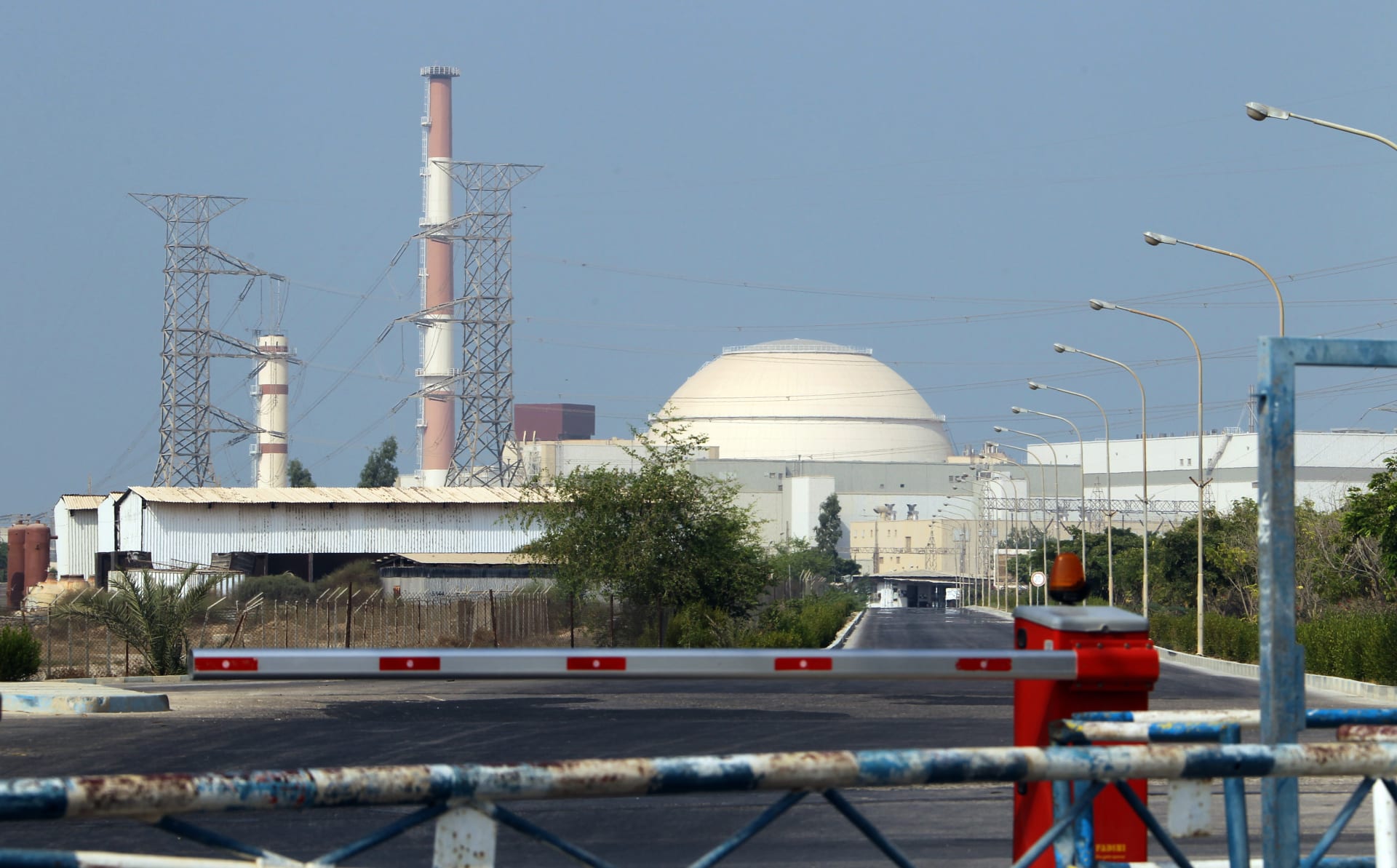
Rafael Grossi, the Director of the International Atomic Energy Agency (IAEA), has warned that "any damage to the Iranian Bushehr nuclear plant could result in a significant radiological incident affecting a wide area both inside and outside Iran." These warnings come at a time when military pressures around the plant are escalating, with reports of military strikes occurring nearby, the latest of which was on Tuesday evening.
In a post shared on the IAEA's official account on the platform 'X', Grossi expressed his deep concern regarding these developments, reiterating his call for maximum restraint to avoid the risk of such a nuclear incident. He also stressed the importance of adhering to the seven pillars to ensure nuclear safety and security during conflicts.
Details of the Incident
On Tuesday, the Iranian Atomic Energy Organization accused the United States and Israel of attacking the Bushehr nuclear plant, indicating that a projectile fell in the vicinity of the plant without causing any damage. The organization stated in a press release that "while the American-Zionist enemy continues its aggression, a projectile struck the vicinity of the Bushehr plant," but added that this did not result in "any material or technical damage, or human casualties."
For its part, the IAEA confirmed that it had received notification from Iran regarding the projectile landing on the grounds of the Bushehr plant, renewing its call for "restraint." The agency also announced last week that the plant had been targeted by a projectile that did not cause damage to the infrastructure or result in injuries.
Background & Context
The Bushehr nuclear plant, located in southern Iran, is the only operational nuclear facility in the country, with a production capacity of 1000 megawatts, covering a small fraction of the nation’s electricity needs. This facility was built with assistance from Russia, which still maintains experts working at the site.
Concerns about nuclear incidents in the region are growing, especially amid escalating tensions between Iran and the United States and its allies. Russia, which constructed the facility, has expressed its displeasure over the military strikes, labeling them as "irresponsible." Grossi also noted that he had a phone conversation with Alexey Likhachev, the Director General of Russia's Atomic Energy Agency, Rosatom, to discuss the recent developments.
Impact & Consequences
The risks associated with the Bushehr plant extend beyond Iranian borders, as any radiological incident could affect neighboring countries, raising international concerns about nuclear security in the region. Nuclear incidents can lead to serious environmental and health repercussions, necessitating a swift response from the international community.
These circumstances require a unification of international efforts to ensure the safety of nuclear facilities, as no military action should jeopardize the safety of these installations. Additionally, personnel working at these facilities must be enabled to perform their vital tasks in a safe environment.
Regional Significance
These developments are particularly significant for Arab countries, highlighting the risks associated with nuclear weapons and regional tensions. Under these conditions, Arab nations must enhance cooperation among themselves to address security challenges and ensure that no nuclear crises escalate that could affect the stability of the region.
In conclusion, fears of nuclear incidents remain prevalent, necessitating the international community to take effective steps to ensure nuclear safety and security, and to avoid any escalation that could lead to a humanitarian disaster.