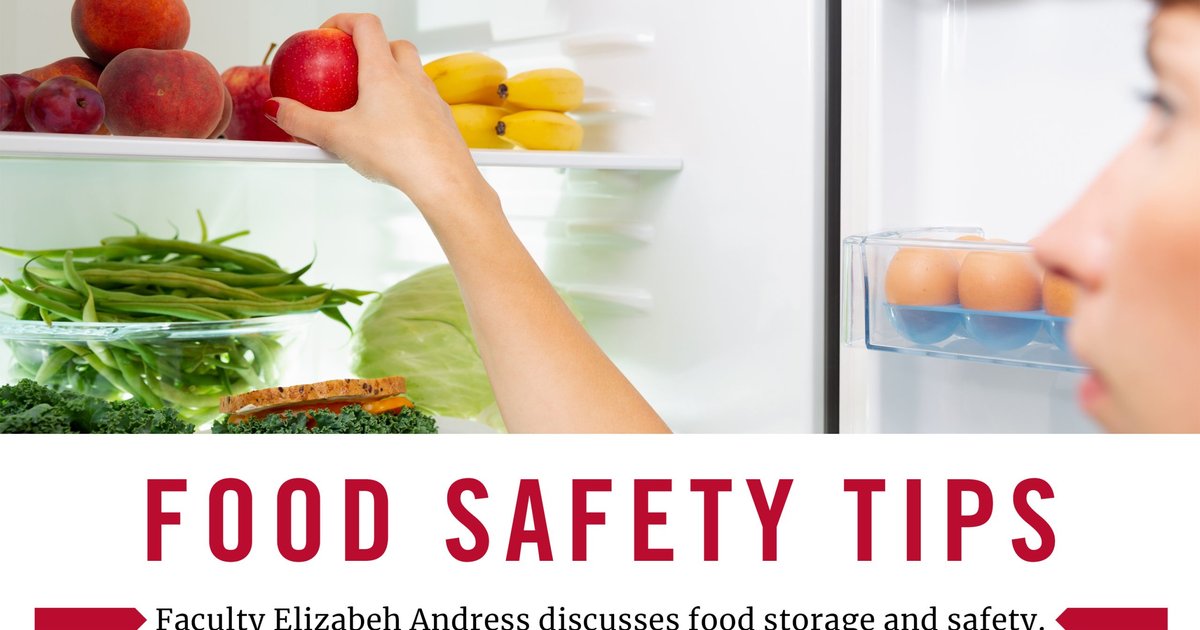
New studies reveal that storing certain foods in the refrigerator can lead to their transformation into toxic substances. These commonly found foods pose health risks if not stored properly.
Among these foods is potatoes, which can develop the toxic substance solanine when stored at low temperatures, increasing the risk of poisoning. Additionally, garlic and onions can rot in the fridge, leading to the production of toxic compounds.
Details of the Issue
Reports indicate that many people believe that storing food in the refrigerator is the safest option, but this is not always true. For instance, potatoes should be stored in a cool, dry place, not in the fridge, as low temperatures increase the production of solanine, a toxic substance that can cause nausea and vomiting.
As for garlic and onions, storing them in the fridge can lead to faster rotting, resulting in toxic compounds that affect human health. Therefore, it is important to know how to store these foods correctly to avoid health risks.
Background & Context
Food safety is a significant issue that concerns many, especially with the growing awareness of health risks associated with consuming spoiled foods. In recent years, the importance of proper food storage has been highlighted to avoid food poisoning.
Studies are increasingly indicating that many common foods can turn toxic if not handled properly. This requires consumers to be more aware of how to store food in their homes.
Impact & Consequences
The risks arising from improper food storage can lead to an increase in food poisoning cases, putting pressure on the healthcare system. In some cases, these situations may require medical treatment, increasing the financial burden on individuals and communities.
Moreover, the growing awareness of these risks can lead to changes in consumer behavior, as people may start looking for safer ways to store food, impacting their purchasing and storage habits.
Regional Significance
In the Arab region, where fresh foods are an essential part of the culinary culture, there should be a greater focus on how to store these foods correctly. Many families rely on refrigerators to store food, but awareness of potential risks remains low.
Improving knowledge about food storage can reduce cases of food poisoning, enhancing public health and reducing the burden on the healthcare system in Arab countries.
In conclusion, it is crucial for consumers to be aware of how to store food properly to avoid health risks. Awareness campaigns should be conducted to promote knowledge on this subject, helping to improve food safety in homes.