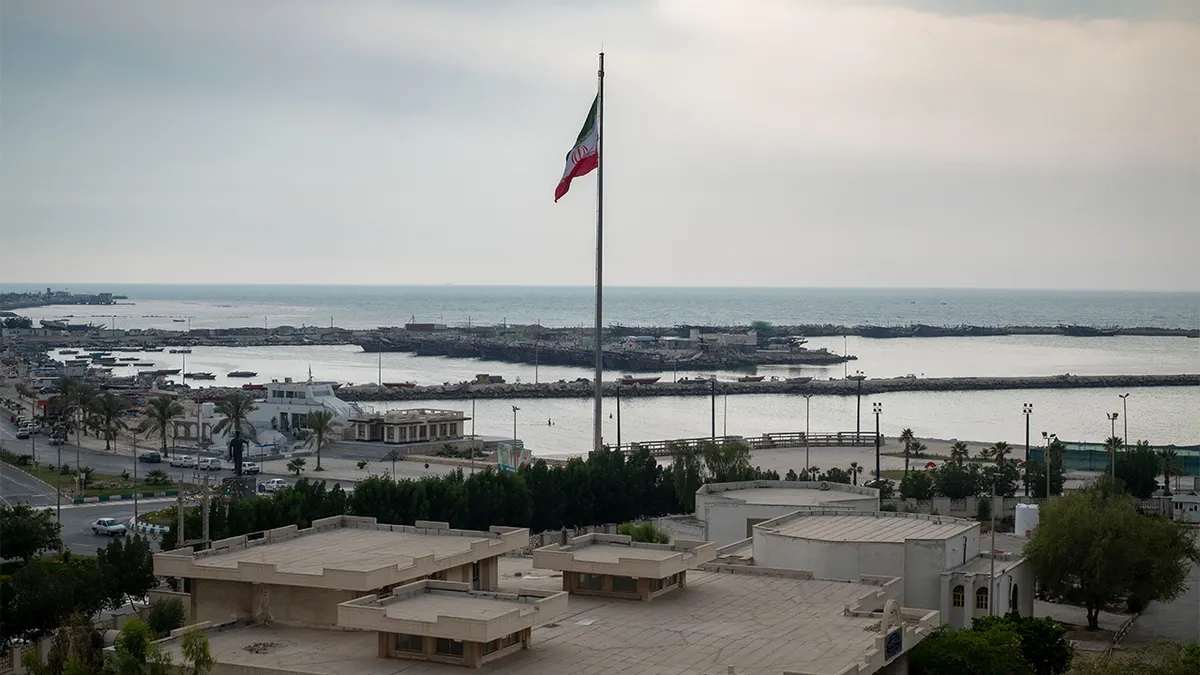
On Tuesday, the White House officially denied any intention from Washington to use nuclear weapons against Iran, reaffirming the United States' commitment to peace and stability in the region. This statement was made in response to questions regarding the potential use of nuclear force amid escalating tensions between the United States and Iran.
The message, published via the White House's account on X platform, aimed to clarify the U.S. administration's position amidst circulating news about a potential escalation in relations with Tehran. The statement indicated that the United States prefers diplomatic solutions and is working to enhance regional security through cooperation with its allies.
Details of the Statement
These remarks come at a sensitive time as tensions between the United States and Iran escalate due to Tehran's nuclear program. This program has raised widespread international concerns, leading to economic sanctions imposed on Iran by Washington and its allies. In this context, there has been increasing anxiety that the United States might resort to military force, including nuclear weapons, as a means of pressuring Iran.
The White House confirmed that the use of nuclear weapons is not an option being considered in any current scenarios. It also emphasized that the United States is committed to international agreements regarding nuclear weapons and seeks to achieve stability through dialogue and negotiation.
Background & Context
Historically, U.S.-Iran relations have been marked by severe tensions since the Islamic Revolution in 1979. These relations further deteriorated after the United States withdrew from the Iranian nuclear agreement in 2018, leading to heightened military and political tensions. In recent years, there have been several military incidents in the region, including attacks on commercial vessels and increasing military pressures from both sides.
Iran seeks to develop its nuclear program, raising concerns about its potential military applications. In contrast, the United States and its allies continue to pressure Tehran to curb its nuclear activities, complicating the political landscape in the region.
Impact & Consequences
The U.S. statements may alleviate some regional concerns; however, they also raise questions about the seriousness of the United States in addressing Iranian threats. If tensions persist, this could lead to undesirable military escalation, affecting both regional and global security.
If Iran continues to advance its nuclear program, it may prompt other countries in the region to bolster their military capabilities, intensifying the arms race in the Middle East. This scenario could exacerbate security conditions and complicate peace efforts in the region.
Regional Significance
Neighboring Arab countries, such as Saudi Arabia and the UAE, are among the most affected by the tensions between the United States and Iran. Any military escalation could impact the stability of these nations and increase security risks in the region. There is also concern that any direct confrontation could lead to negative economic repercussions, particularly in the oil sector.
Furthermore, any escalation in relations between Washington and Tehran could affect peace efforts in other conflict areas, such as Yemen and Syria, where Iran plays a pivotal role. Therefore, the stability of U.S.-Iran relations is vital for regional security.
In conclusion, the future of U.S.-Iran relations remains uncertain, especially amid ongoing tensions. The White House's statements may provide some reassurance, but they also highlight the significant challenges facing diplomacy in the region.