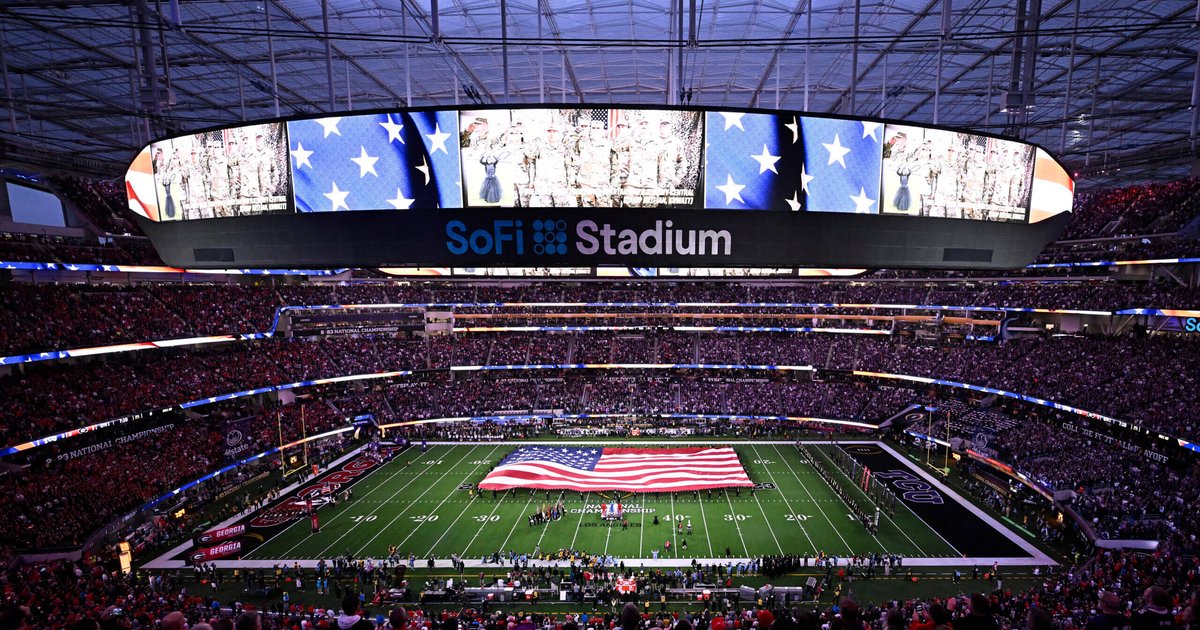
In a bold move, the union representing approximately 2,000 food service workers at SoFi Stadium in Los Angeles has demanded that FIFA exclude the U.S. Immigration and Customs Enforcement (ICE) from World Cup events. This request comes at a critical time as the tournament approaches, threatening the possibility of a strike if workers' concerns are not addressed.
The union, known as Unite Here Local 11, which represents chefs, servers, and bar staff at the stadium, considers the lack of a labor contract for workers as unacceptable with the tournament nearing. The union has presented three main demands to FIFA and the stadium owner, Kroenke Sports & Entertainment, which include a public commitment to not involve immigration enforcement or border patrols in the tournament, job protections for workers, and support for affordable housing for hospitality workers.
Details of the Demands
Acting Secretary of the Department of Homeland Security, Todd Lyons, stated that ICE will play a key role during the World Cup, which the union views as a threat to the safety of workers and guests in Los Angeles. The union also pointed out that it seeks guarantees against the use of artificial intelligence and automation during the tournament that could eliminate workers' jobs.
The labor demands are also tied to broader concerns regarding housing costs in the Los Angeles area, particularly in Inglewood, where the union has called for support for a housing fund for workers, restrictions on short-term rentals, and tax measures aimed at funding affordable housing and protecting immigrant families.
Background & Context
Historically, the United States has witnessed numerous major sporting events that have raised social and economic issues. The 2026 World Cup, which will be held in the United States, Canada, and Mexico, is considered one of the largest sporting events that attracts attention, making labor and housing issues more pronounced. In recent years, pressures on workers in the hospitality sector have increased due to rising living costs, leading to heightened demands for improved working conditions.
Since Los Angeles was selected as a host city, the labor union has sought meetings with FIFA but has received no responses. This neglect reflects the growing tensions between workers and organizing bodies, raising questions about how FIFA manages such sensitive issues.
Impact & Consequences
If workers' demands are not met, a potential strike could significantly impact the organization of the World Cup in Los Angeles, threatening FIFA's reputation and affecting the fan experience. This could lead to negative repercussions for the local economy, as many businesses rely on the influx of visitors during the tournament.
This issue may also open the discussion on workers' rights in major events, potentially affecting how sports organizations handle social issues in the future. Ignoring labor demands could exacerbate social tensions.
Regional Significance
The situation highlights the importance of addressing workers' rights in major events and its impact on the local community. It raises awareness of the challenges faced by hospitality workers in high-profile settings, emphasizing the need for fair treatment and support.
As the World Cup approaches, the outcome of these demands may set a precedent for future sporting events, influencing how labor relations are managed in the sports industry.