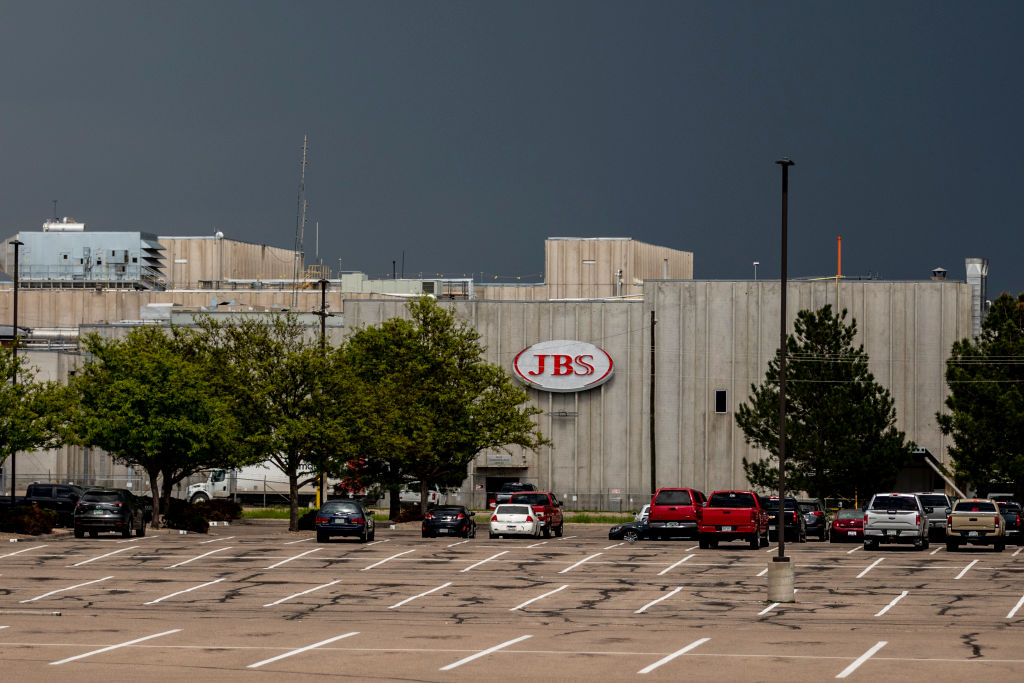
Workers at JBS, one of the largest meat processing companies in the United States, have returned to their plant in Colorado after receiving a commitment from management to discuss their demands. This decision comes after a strike that lasted several days, during which workers called for better working conditions and higher wages.
The strike, which began earlier last week, was a response to management's failure to address workers' concerns regarding wages and working conditions. The plant experienced a partial shutdown, significantly affecting production. With the return of the workers, everyone hopes to reach an agreement that satisfies all parties involved.
Details of the Event
In recent days, tensions escalated between the workers and the plant management, as workers expressed their dissatisfaction with low wages and inadequate working conditions. Workers pointed out that current wages do not reflect the rising cost of living, leading them to feel compelled to strike as a means of voicing their demands.
Following initial negotiations, management agreed to hold talks with worker representatives, resulting in the workers' return to the plant. A company spokesperson confirmed that management is committed to listening to workers' concerns and working to improve the workplace environment.
Background & Context
JBS is considered one of the largest meat processing companies in the world, with facilities in several countries. In recent years, the company has faced numerous challenges, including criticism regarding working conditions in its plants. In this context, the strike is part of a broader movement among workers across various sectors, who are striving to improve their conditions and increase their wages.
Historically, the United States has witnessed many labor strikes aimed at enhancing workers' rights. As awareness of the importance of workers' rights grows, it has become essential for companies to respond to their demands.
Impact & Consequences
The return of workers to the plant after the promise of talks could improve relations between workers and management, potentially contributing to a better working environment. However, the success of these talks depends on management's willingness to listen to workers' demands and act on them.
If an agreement is reached that satisfies all parties, it could have a positive impact on the company's other plants, encouraging workers in other locations to advocate for their rights. Conversely, if talks fail, the strike may resume, negatively affecting production.
Regional Significance
Issues related to workers' rights and improving working conditions are also significant in the Arab world. Many Arab countries are witnessing labor movements demanding better wages and working conditions. The experience of JBS workers could serve as an inspiration for workers in the region, demonstrating that strikes and negotiations can lead to positive changes.
Ultimately, labor issues remain a fundamental part of economic and social discussions worldwide, including in the Arab world. Improving working conditions and increasing wages are not merely labor demands; they are human rights that must be respected.