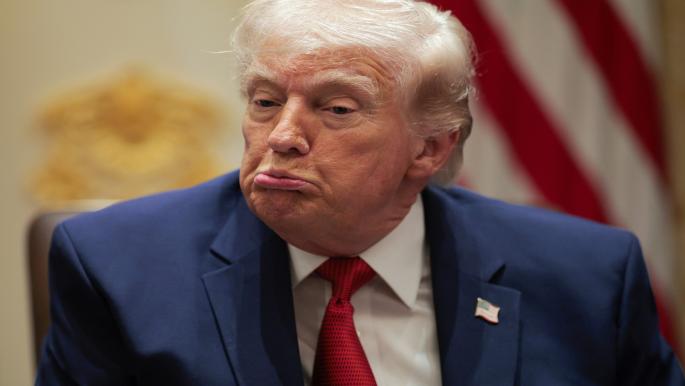
The world today is facing an unprecedented economic disruption, with financial crises and rising prices accelerating at an alarming rate. In these circumstances, the United States emerges as a key player in exacerbating these crises, necessitating urgent measures to disarm the threats posed by President Donald Trump.
Reports indicate that many countries are suffering from financial droughts and crippling living crises, threatening social and economic stability. As pressures mount on governments, the United States continues to issue threats to nations, increasing anxiety and uncertainty in global markets.
Details of the Current Situation
Economic crises are on the rise across the globe, with citizens facing soaring living costs and declining purchasing power. In numerous countries, local markets are witnessing unprecedented inflation, negatively impacting people's daily lives. In this context, the United States stands out as a significant factor, adopting policies that may worsen economic conditions in other nations.
These policies include imposing economic sanctions and trade threats, further heightening instability. Additionally, political tensions between the United States and other countries contribute to the worsening crises, affecting trade relations and investment flows.
Background & Context
Over the decades, international relations have experienced significant fluctuations, with the United States playing a pivotal role in shaping global economic policies. However, the current policies adopted by Trump could lead to the dismantling of the existing global economic system, placing countries in a difficult position.
Historically, economic crises have often been followed by periods of recession, raising concerns about the future. In this context, countries must take proactive steps to shield their economies from the adverse effects of American policies.
Impact & Consequences
The repercussions of these crises are manifold, affecting all aspects of economic and social life. Increasing inflation is expected to lead to higher rates of poverty and unemployment, negatively impacting social stability.
Moreover, economic crises may exacerbate political tensions, as governments may resort to harsh measures to confront challenges. In this context, international cooperation is essential to address these crises and mitigate their negative effects.
Regional Significance
Arab countries are facing significant challenges due to global economic crises, with many nations experiencing high unemployment and poverty rates. Under these circumstances, it becomes crucial for governments to adopt effective economic policies to alleviate the impact of these crises.
Furthermore, political tensions in the region may escalate as a result of economic crises, necessitating enhanced cooperation among Arab nations to tackle shared challenges. A swift and effective response is required to ensure the stability of the region under the current conditions.