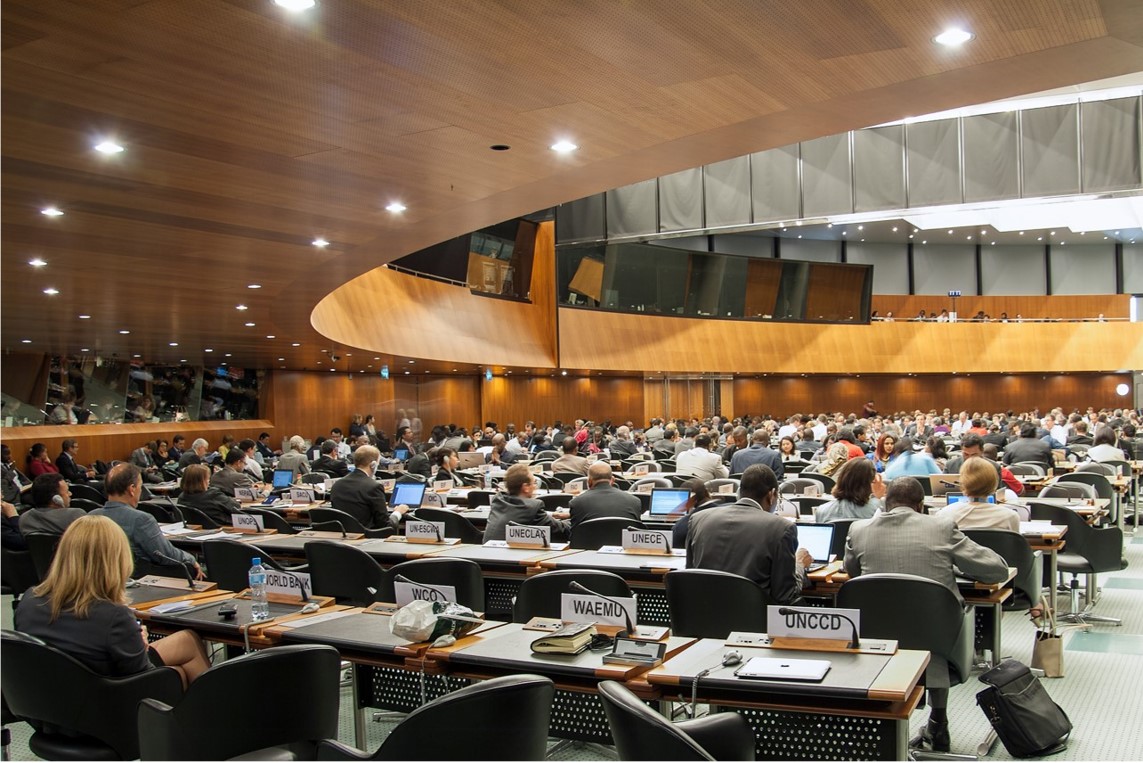
The World Trade Organization (WTO) talks held in the Cameroonian capital, Yaoundé, on Monday concluded without reaching an agreement on a reform plan or even extending the exemption period for e-commerce fees. This outcome is considered a new blow to the organization, which faces increasing challenges due to the rise of economic nationalism worldwide.
The discussions lasted for four days, involving representatives from 164 countries, but Brazil prevented the extension of the exemption period sought by the United States and other nations. Expectations for progress in the talks were low, but there was hope for at least renewing the exemption.
Details of the Event
The talks failed to reach an agreement after Brazil opposed extending the exemption period for more than two years, which the United States deemed insufficient. American officials and business groups expressed their frustration with this outcome, with British Trade Minister Peter Kyle describing the failure to reach a joint decision as a "major setback for global trade."
For its part, Singapore, which led successful efforts to adopt interim arrangements for an e-commerce trade agreement, expressed regret over the lack of consensus. The Singapore Ministry of Trade and Industry emphasized the importance of maintaining current practices of not imposing tariffs on electronic transactions, as digital trade is expected to continue growing.
Context and Background
These talks come at a sensitive time, serving as a test of the WTO's significance after a year of major disruptions in trade, in addition to recent upheavals resulting from the U.S.-Israeli war on Iran. An agreement to extend the exemption from fees on e-commerce was anticipated to be a crucial step in garnering U.S. support for the organization, especially under the "America First" policy pursued by former President Donald Trump.
The Director-General of the WTO, Ngozi Okonjo-Iweala, expressed the organization's hope of restoring the exemption, noting that Brazil and the United States had been trying to reach an agreement on it. Although the organization announced progress in the reform roadmap, discussions on issues such as reshaping rules to make the use of subsidies more transparent will continue in Geneva next May.
Implications and Impact
This outcome is seen as a setback for efforts to reform the WTO and enhance its role in global trade. Analysts pointed out that Brazil's failure to use e-commerce as a means to gain concessions in agriculture reflects a diminishing commitment from the United States to the organization. This deadlock could strengthen alternative structures such as the Comprehensive and Progressive Agreement for Trans-Pacific Partnership (CPTPP), which includes 12 countries, including Australia, the UK, Canada, and Japan.
Keith Rockwell, a trade analyst at the Heinrich Foundation, stated that the United States is no longer willing to make concessions as it once did, increasing the likelihood of countries turning towards alternative trade agreements.
Impact on the Arab Region
In the Arab region, these developments may affect e-commerce and economic growth. Many Arab countries are seeking to enhance digital trade as part of their development strategies. The WTO's failure to reach an agreement may hinder these countries' efforts to leverage e-commerce as a means to boost economic growth.
In conclusion, the future of the WTO remains uncertain amid increasing challenges, requiring member states to rethink their trade strategies and international cooperation.