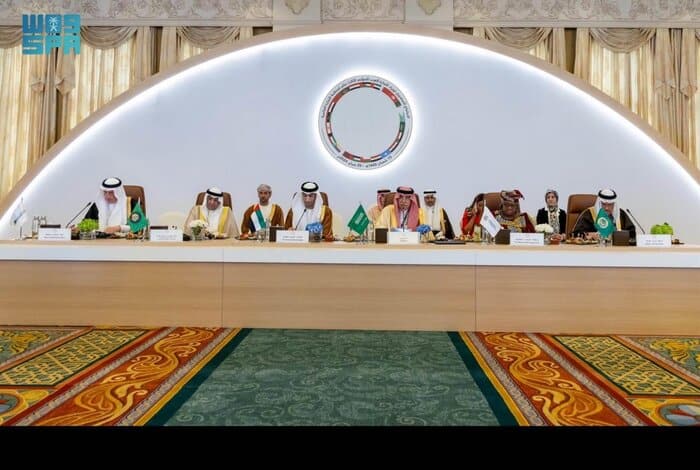
Negotiations among World Trade Organization (WTO) trade ministers are nearing an agreement on a comprehensive reform plan, amid ongoing disputes between the United States and India regarding the extension of a tariff freeze on electronic transactions. These discussions are taking place at the organization's meeting in Cameroon, where the extension of the freeze, first adopted in 1998, is seen as a test of the organization's importance in light of the trade disruptions experienced globally last year.
Member countries are seeking compromises to overcome existing disagreements, with the freeze period expected to end later this month. Diplomats have indicated that India has shown a willingness to accept a two-year extension, while the United States may agree to an extension of up to ten years, although Washington is pushing for a permanent extension.
Details of the Ongoing Negotiations
The current talks include efforts to reconcile the views of member states, with a new draft reform plan presented that includes a timeline for progress and identifies key issues that need addressing. Among these issues is the improvement of the decision-making process in a system that relies on consensus, which has long suffered from blockages by certain countries. The discussions also encompass the trade benefits granted to developing nations.
These discussions come at a time when member countries are looking to reshape WTO rules to make the use of subsidies more transparent and facilitate decision-making. The United States and the European Union assert that China, in particular, has benefited from the current rules at the expense of other countries.
Background & Context
Since its establishment in 1995, the World Trade Organization has faced numerous challenges, especially with the increasing trade disputes among major nations. The trade war between the United States and China has exacerbated these challenges, leading to growing calls for reform of the organization. In this context, the extension of the tariff freeze on electronic transactions is considered a crucial step to maintain stability in global trade and promote digital growth.
Historically, the tariff freeze on electronic transactions was adopted as part of a declaration encouraging the growth of digital trade early on. However, the expiration of this period could lead to the imposition of new tariffs, which may hinder growth in this vital sector.
Impact & Consequences
If the tariff freeze is not extended, the United States may use this as a pretext to attack the WTO, potentially exacerbating global trade crises. The extension of the freeze is vital to ensure stability and predictability in the market, as business leaders fear that failure to extend may lead to new tariffs being imposed.
The current situation highlights the importance of international cooperation in addressing economic challenges, as any decision could significantly impact global trade. Reaching an agreement on the necessary reforms could enhance the effectiveness of the WTO and restore confidence among member states.
Regional Significance
Amid global economic challenges, the situation within the WTO is particularly significant for Arab countries. Many Arab nations rely on international trade as a primary source of economic growth, and any changes in trade rules could directly affect their economies. Additionally, enhancing digital trade could open new avenues for Arab countries in technology and innovation.
In conclusion, the current situation within the WTO underscores the importance of international cooperation in facing economic challenges. Achieving an agreement on the required reforms and extending the tariff freeze on electronic transactions could contribute to enhancing stability and growth in global trade, benefiting all member countries, including Arab nations.