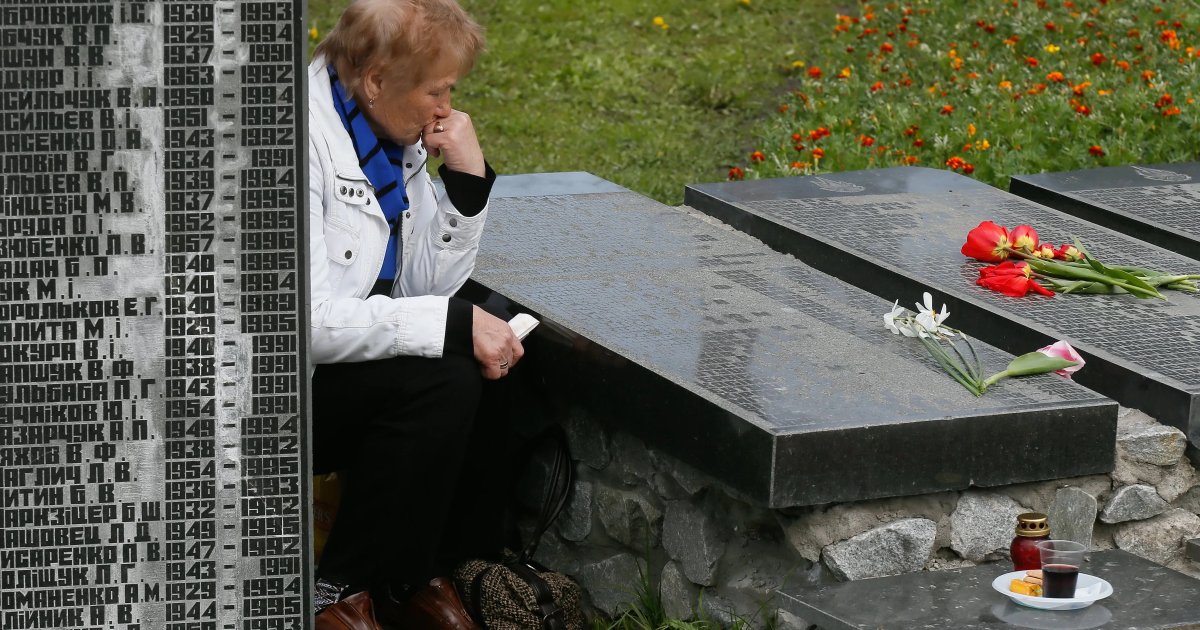
On the 40th anniversary of the Chernobyl disaster, Ukrainian President Volodymyr Zelensky accused Russia of engaging in 'nuclear terrorism', pointing to the risks threatening the Zaporizhzhia nuclear power plant. Zelensky emphasized that Moscow's actions are bringing the world back to the 'brink of a man-made disaster', as the war in Ukraine continues since 2022.
Zelensky noted that Russia has repeatedly launched missiles and drones near the Chernobyl plant, with one drone hitting its protective cover last year. He urged the international community to prevent this type of nuclear terrorism from continuing, stressing the need to compel Russia to halt its 'reckless attacks'.
Zelensky's Statements and International Response
Zelensky's remarks come at a time when foreign officials, including the European Union's Energy Commissioner, are gathering in Kyiv to commemorate the disaster, pledging new support for Ukraine's energy system. In this context, Rafael Grossi, the Director General of the International Atomic Energy Agency, pointed to the damage sustained by the reactor's cover in Chernobyl, warning that delays in repair work could lead to greater problems.
According to Greenpeace, repairing the outer metal structure of the reactor could take up to four years and is considered nearly impossible due to war-related conditions. In February 2025, a Russian airstrike caused a large hole in the reactor's outer wall, but no radioactive leaks were detected.
Background & Context
The Chernobyl disaster, which occurred on April 26, 1986, is one of the worst nuclear disasters in history, resulting in a large radioactive cloud that spread over a vast area. The catastrophe led to thousands of deaths due to radiation-related illnesses, with approximately 600,000 people exposed to high radiation levels during cleanup operations.
The Russians took control of the Zaporizhzhia nuclear power plant, the largest in Europe, at the beginning of the war. Both sides have exchanged accusations regarding targeting the plant, increasing nuclear risks in the region.
Impact & Consequences
The current events demonstrate that the war in Ukraine has exacerbated nuclear risks, as four nuclear power plants in the country remain vital for energy supplies amid frequent power outages. These conditions raise international concerns about the potential for a new nuclear disaster.
The current situation requires an urgent response from the international community, as supporting Ukraine's energy system is essential to avoid catastrophic repercussions. Furthermore, the ongoing military escalation around nuclear plants places the world in a precarious position.
Regional Significance
The nuclear risks in Ukraine are particularly significant for the Arab region, as any nuclear disaster could impact regional security. Arab countries that rely on nuclear energy for their future projects must consider the lessons learned from Chernobyl.
In conclusion, the Chernobyl anniversary serves as a reminder of the importance of peace and nuclear security, with the current situation in Ukraine requiring ongoing international attention to ensure that such disasters do not recur.