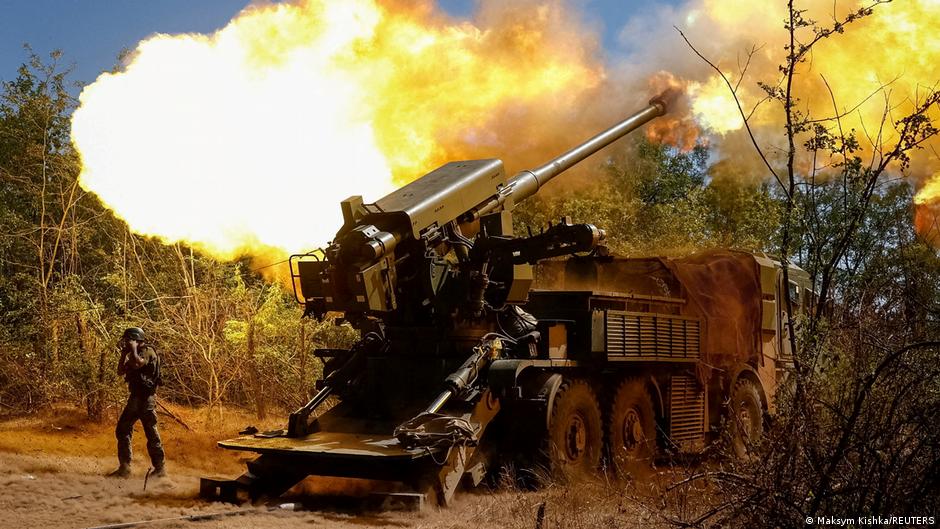
In an unprecedented move, Ukrainian President Volodymyr Zelensky announced his readiness to meet with his Russian counterpart Vladimir Putin, in an open letter published on the official website of the Ukrainian presidency. Zelensky indicated that Ukraine is willing to implement a ceasefire during the negotiation period, reflecting his country's desire to end the conflict that has persisted for over two years.
This invitation comes at a time when Putin suggests that Russia still possesses the capability to achieve its military objectives in Ukraine. He confirmed during an economic conference in St. Petersburg that Russian forces continue to advance on all fronts, noting that Russia controls over 85% of the Donetsk region and 90% of the Luhansk region, areas that were illegally annexed in 2022.
Details of the Proposal
In his letter, Zelensky warned that the Russian people are beginning to feel fatigued by the war, stating that Ukraine will continue to fight for its existence unless Putin personally decides to end the conflict. These remarks come amid increasing pressure on Russia due to significant human losses, with estimates suggesting that around 30,000 Russian soldiers are killed monthly in the battles.
Despite Putin's claims that Russia controls most of the Ukrainian territory, Russian advances on the ground have significantly stalled, as Ukraine has managed to bolster its defensive lines using drones, which has slowed the progress of Russian troops. In contrast, Russia has intensified its missile and drone attacks on Ukrainian cities, resulting in numerous civilian casualties.
Background & Context
The roots of the Ukrainian conflict date back to 2014 when Russia annexed the Crimea peninsula, leading to heightened tensions between the two countries. Since then, Ukraine has experienced an ongoing struggle with Russian-backed separatists in the eastern part of the country. In 2022, Russia launched a large-scale military invasion of Ukraine, exacerbating the humanitarian crisis in the region.
International calls for peace are increasing, but so far, none of the negotiations led by the United States have made significant progress. At the same time, Western countries continue to provide military and economic support to Ukraine, complicating peace efforts.
Impact & Consequences
If Zelensky's invitation for a meeting is accepted, it could represent a turning point in the conflict, potentially leading to a de-escalation of tensions and progress toward peace. However, Putin's hardline stance on Russia's demands, including recognition of the annexation of Ukrainian territories, may pose a significant obstacle to any agreement.
The ongoing tensions in Ukraine have a profound impact on European security, raising concerns about the escalation of the conflict into broader hostilities. Additionally, the economic ramifications of the war are reflected in energy and food prices in global markets, increasing pressure on developing nations.
Regional Significance
Arab countries are directly affected by the repercussions of the Ukrainian conflict, particularly in the areas of energy and food. The rise in grain and oil prices due to the conflict could impact the stability of many Arab nations that rely on imports. Furthermore, the humanitarian crises resulting from the conflict raise concerns within the international community, necessitating an urgent response from Arab states.
In conclusion, hope remains for the possibility of achieving peace in Ukraine through direct dialogue between leaders. Putin's response to Zelensky's invitation could be a step toward ending the conflict, but challenges still persist.