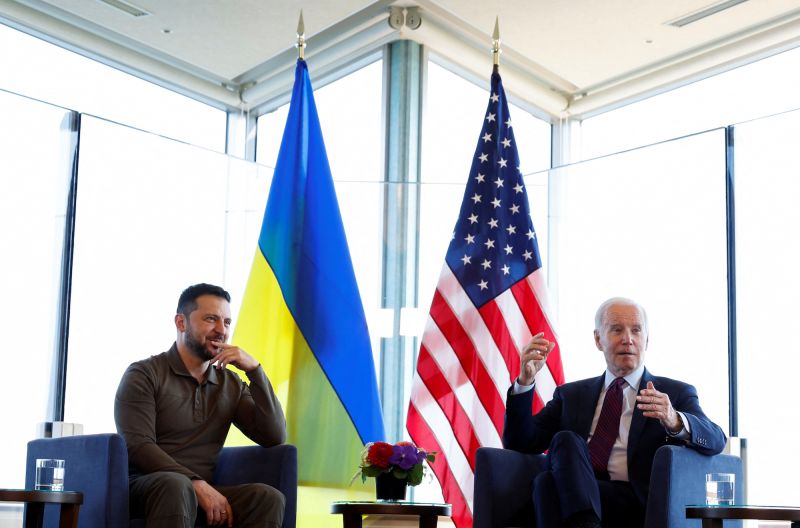
In a new step reflecting the ongoing tensions in Ukraine, Ukrainian President Volodymyr Zelensky announced that he will speak on Wednesday via video with representatives from the United States and NATO Secretary General Jens Stoltenberg. The meeting aims to discuss the current situation in Ukraine and efforts to reach trilateral agreements.
During his remarks, Zelensky emphasized the importance of these talks in determining how far Ukraine is from achieving trilateral agreements, or at least organizing trilateral meetings with the concerned parties. This move comes at a very sensitive time, as pressures on Ukraine increase amid the ongoing conflict with Russia.
Details of the Meeting
This dialogue occurs at a time when Ukraine is experiencing an escalation in the conflict with Russia, as Russian forces continue their attacks on Ukrainian territory. Zelensky noted that these meetings represent an important opportunity to enhance cooperation with Western allies, especially given the military and economic support provided by the United States and NATO to Ukraine.
The anticipated meeting also reflects the commitment of the United States and NATO to support Ukraine in facing the security challenges it encounters. These discussions could represent a step towards enhancing coordination among the involved parties in the ongoing efforts to achieve stability in the region.
Background & Context
Since the onset of the conflict in 2014, Ukraine has witnessed a rise in tensions with Russia, which annexed Crimea and sparked conflict in Eastern Ukraine. These events led to international sanctions against Russia and increased military and economic support for Ukraine from Western countries.
In recent years, NATO has become more involved in Ukrainian affairs, providing military support and training to Ukrainian forces. This meeting comes as part of ongoing efforts to strengthen cooperation between Ukraine and its allies in the face of security threats.
Impact & Consequences
The outcomes of this meeting could lead to significant changes in the security dynamics in the region. If the parties manage to reach trilateral agreements, this could strengthen Ukraine's position in negotiations with Russia and increase the chances of achieving peace and stability in the area.
Moreover, enhancing cooperation between Ukraine, the United States, and NATO could lead to increased military and economic support for Ukraine, which may help it address the challenges it currently faces.
Regional Significance
The Arab region is indirectly affected by the conflict in Ukraine, as tensions in Europe may impact energy prices and global markets. Additionally, any escalation in the conflict could lead to increased geopolitical tensions, affecting stability in the Arab region.
Furthermore, Western support for Ukraine may encourage some Arab countries to strengthen their ties with Western powers, which could influence political balances in the region.
The upcoming meeting between Zelensky and the US representatives and NATO Secretary General represents an important step in the efforts to enhance security cooperation in the face of the challenges Ukraine faces. The outcomes of this meeting are expected to have wide-ranging implications for the security situation in the region, necessitating close monitoring by the international community.